
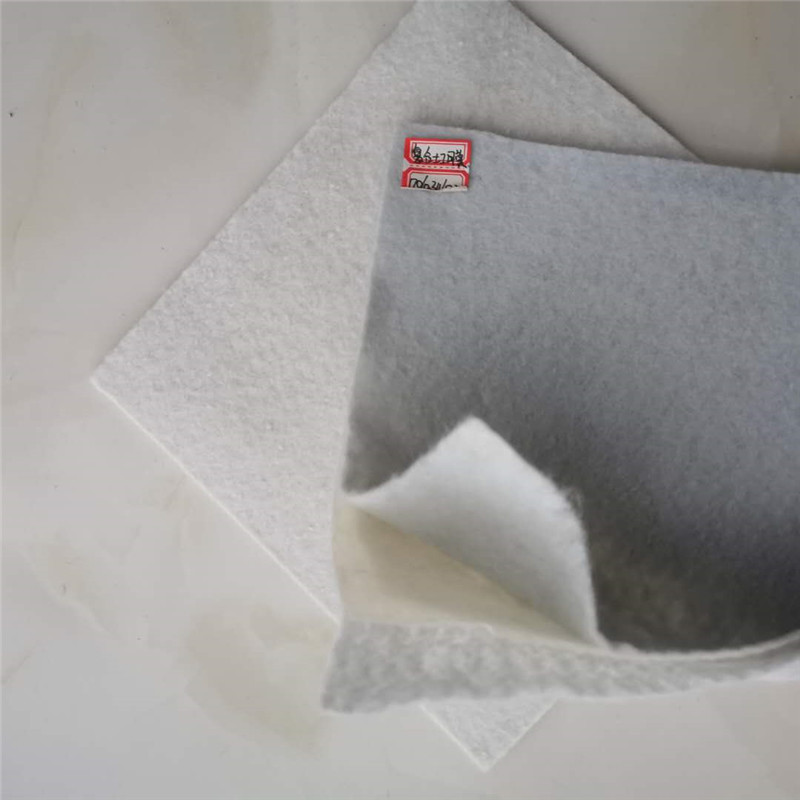

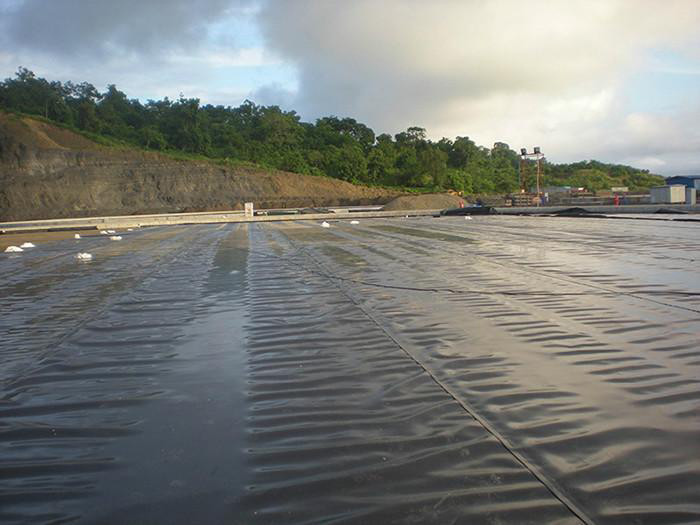
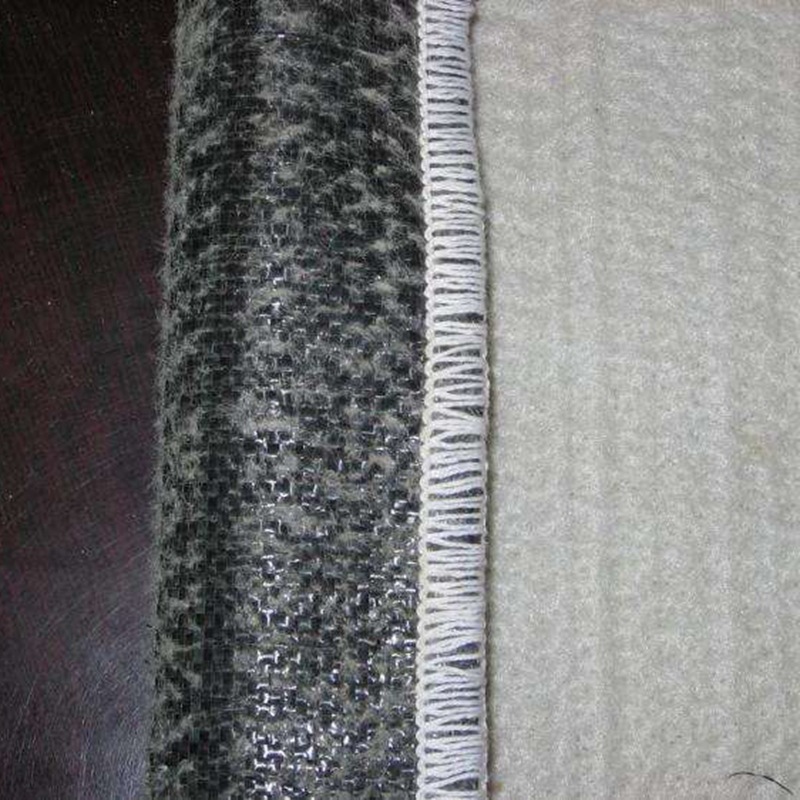

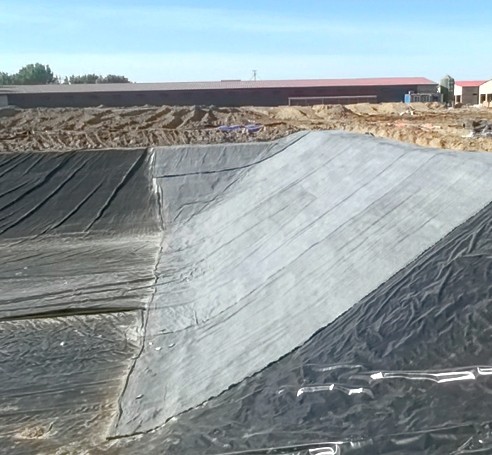
Cement blankets are a composite material made of non-woven fabric, woven fabric, and a concrete mixture (cement dry powder and sand), formed into a blanket-like material with an internal fiber skeleton through a needle-punching process. Cement blankets are rolled up for convenient transportation and handling. During construction, they only need to be laid out, watered, and left for 48 hours to complete curing, achieving slope protection. The process is simple and fast, requiring no complex equipment or techniques. Compared with traditional concrete slope protection, the laborious steps of mixing, pouring, and curing are eliminated, greatly shortening the construction period. They are especially suitable for areas with complex terrain or locations difficult for machinery to access, as they can be easily laid by hand. They have high strength and excellent durability, with a compressive strength of over 20 MPa after curing, effectively resisting water flow erosion and soil pressure. Their flexible structure adapts to slight foundation deformation, making them crack-resistant and giving them a service life of up to 10 years with very low maintenance costs. They are environmentally friendly and economical, reducing overall costs by 50%, saving materials and requiring no formwork support. Compared to traditional concrete slope protection, they save on materials, labor, and transportation costs, making them particularly suitable for large aquaculture ponds, ditches, dams, and other projects. Verified by case studies and with a strong reputation, cement blankets have been successfully applied in slope protection projects at aquaculture farms nationwide, with customer feedback reporting a 70% increase in construction efficiency and the ability to complete quickly even during the rainy season, without delaying farming schedules.


