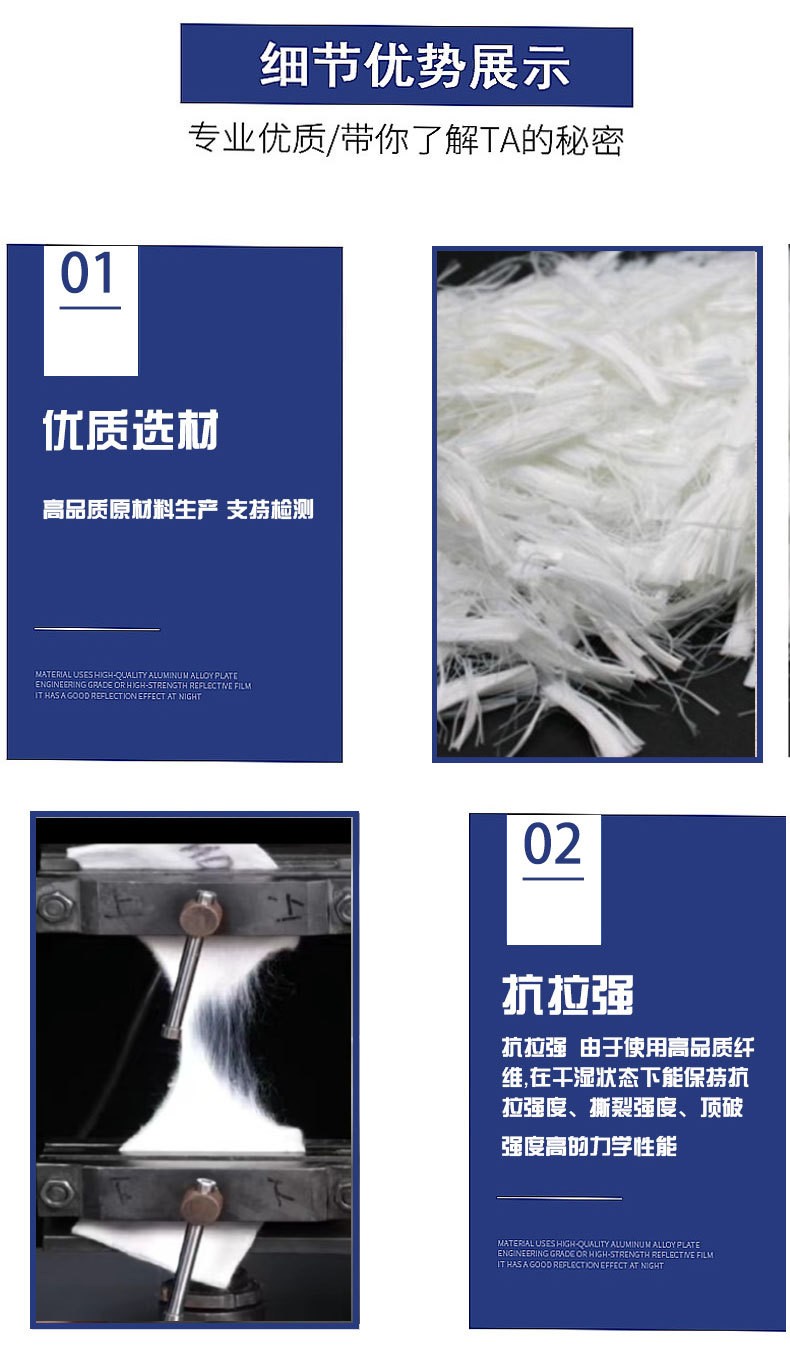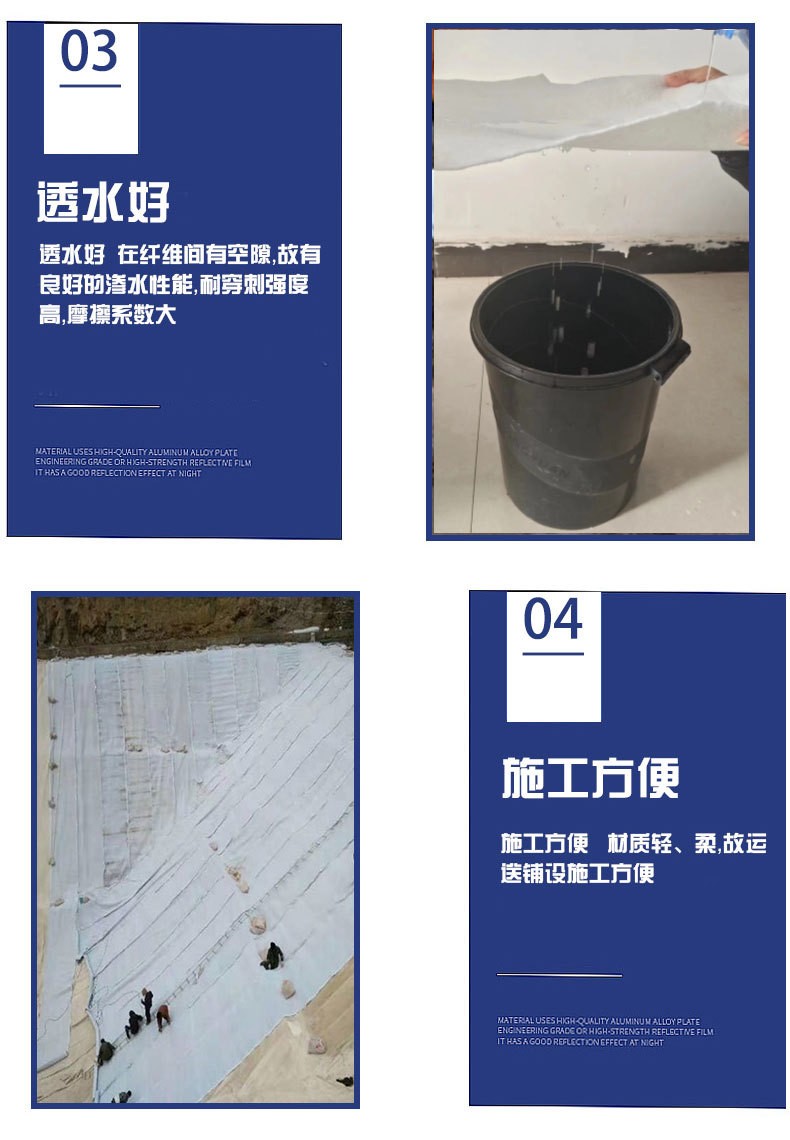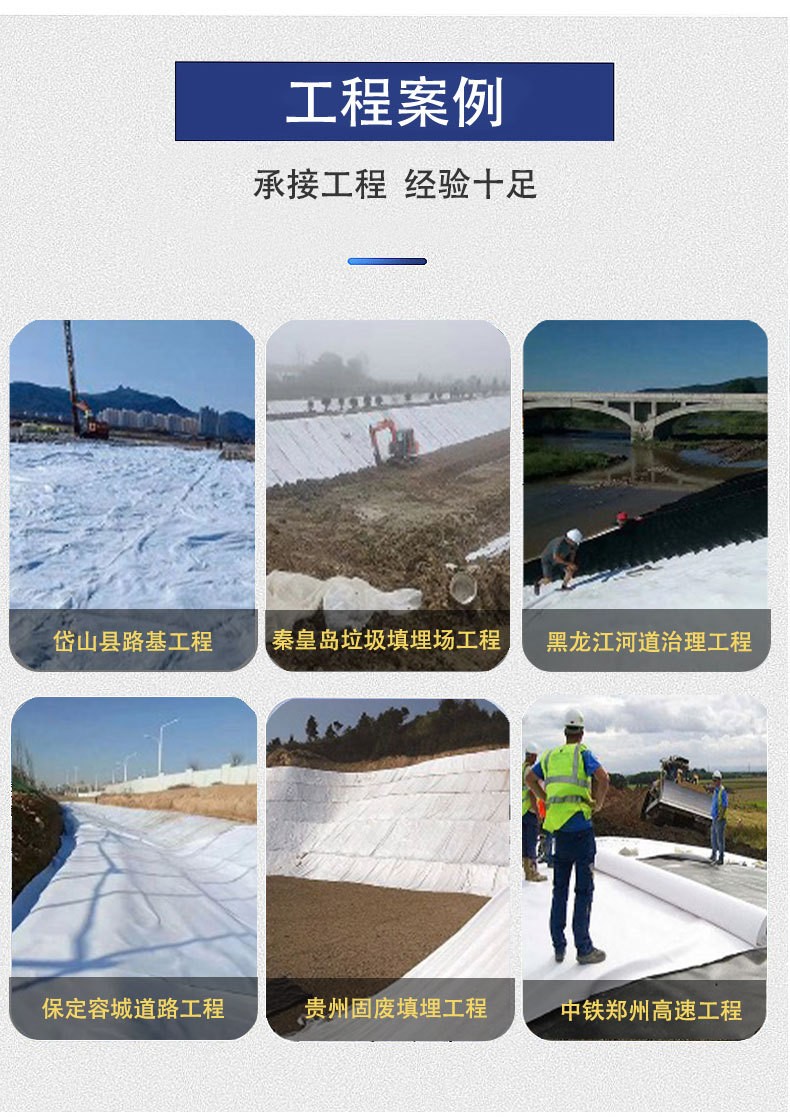
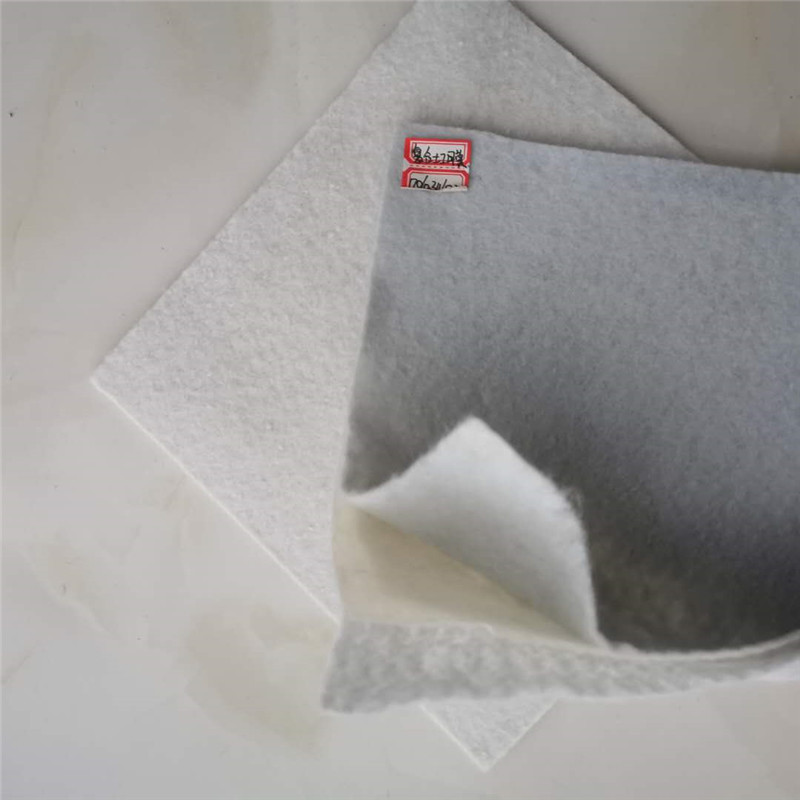

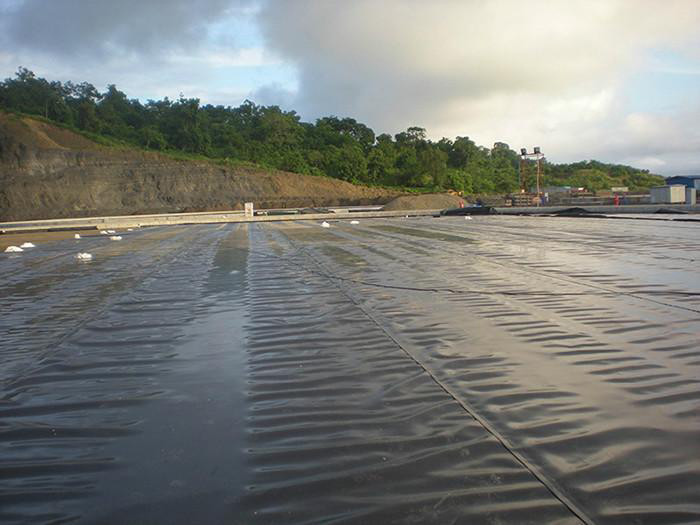
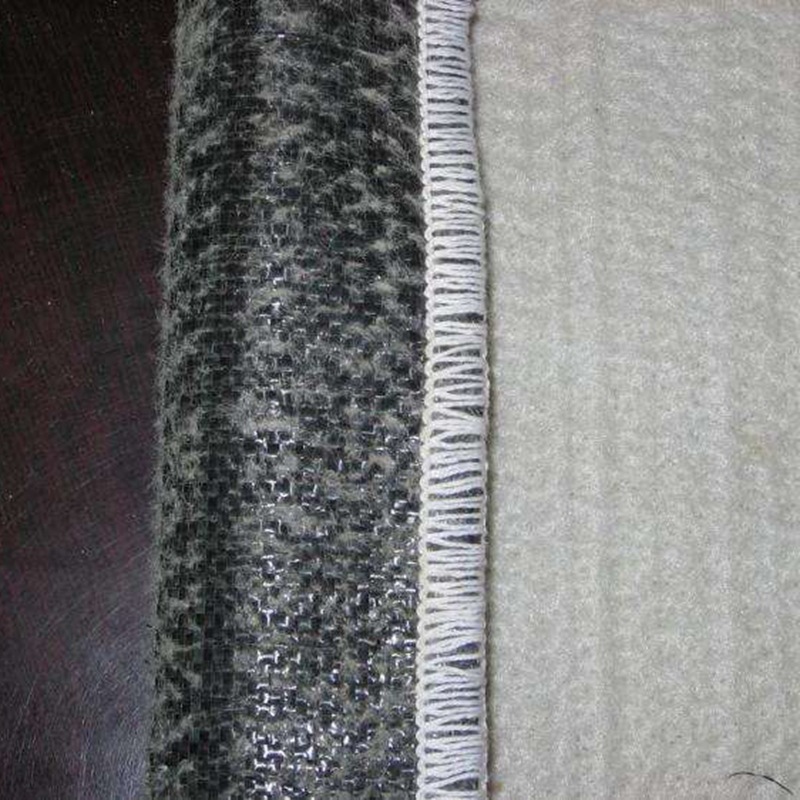

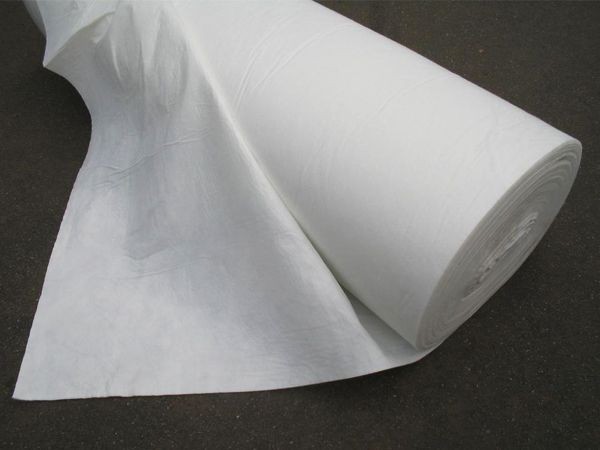
Functions of Geotextiles: Geotextiles have the functions of filtration, drainage, separation, reinforcement, and protection. They also feature high tensile strength, good permeability, breathability, high temperature resistance, freeze resistance, and aging resistance. Geotextiles are strong; due to the use of plastic fibers, they can maintain adequate strength and elongation in both wet and dry conditions. They are corrosion-resistant and can endure corrosion for a long time in soils and waters of different pH levels. They have good water permeability because there are gaps between the fibers, allowing excellent water seepage performance.
Functions of Geotextiles: First, separation—geotextiles can separate construction materials with different physical properties, preventing the loss and mixing of two or more materials, maintaining the overall structure and function of the materials, and enhancing the load-bearing capacity of constructions. Second, filtration—when water flows from fine soil layers into coarse soil layers, geotextiles use their good permeability to allow water to pass through while effectively intercepting soil particles, fine sand, small stones, etc., maintaining the stability of soil and water engineering. Third, drainage—geotextiles have good water-conducting properties, forming drainage channels within the soil to discharge excess liquid and gas. Fourth, reinforcement—geotextiles enhance the tensile strength and deformation resistance of the soil, improving the stability of structures and soil quality. Fifth, protection—when water flows erode the soil, geotextiles can effectively diffuse, transfer, or decompose concentrated stress, preventing soil damage from external forces and protecting the soil.