

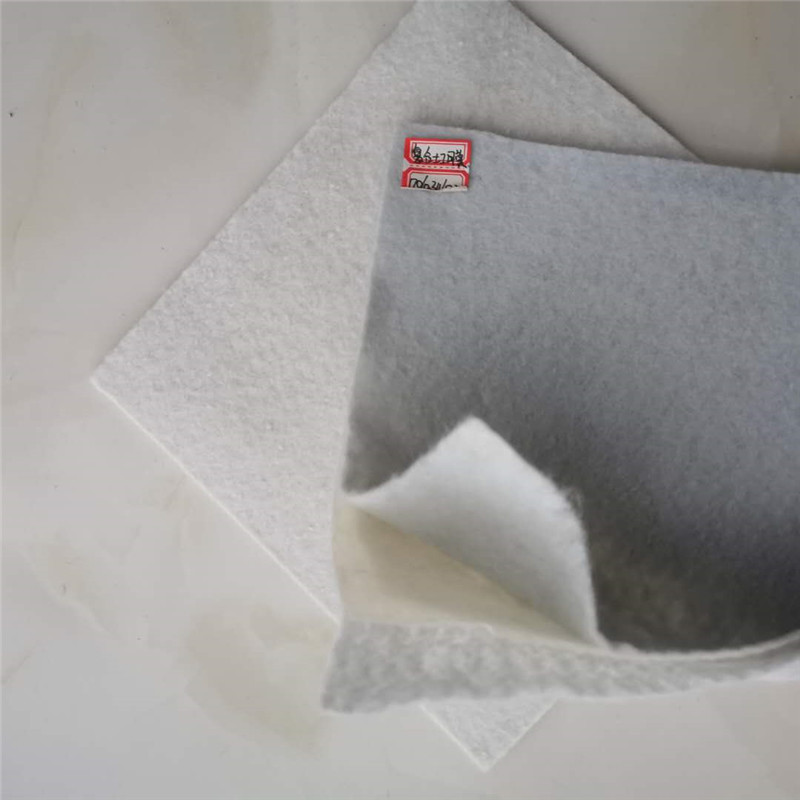

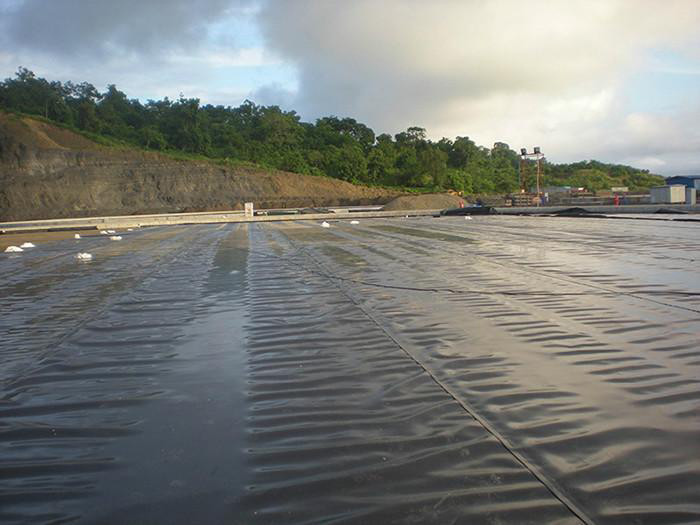
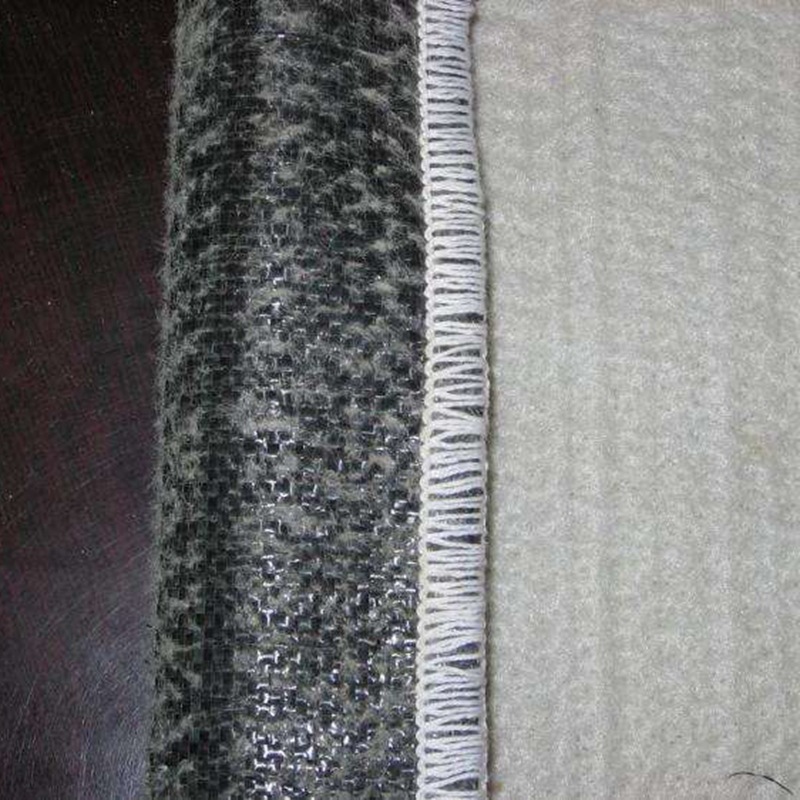

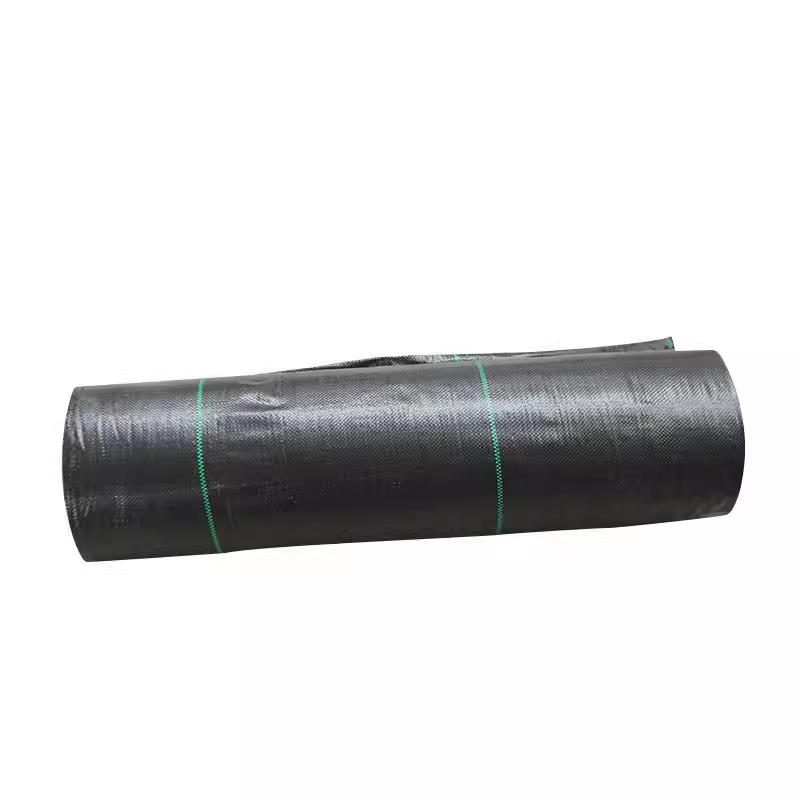
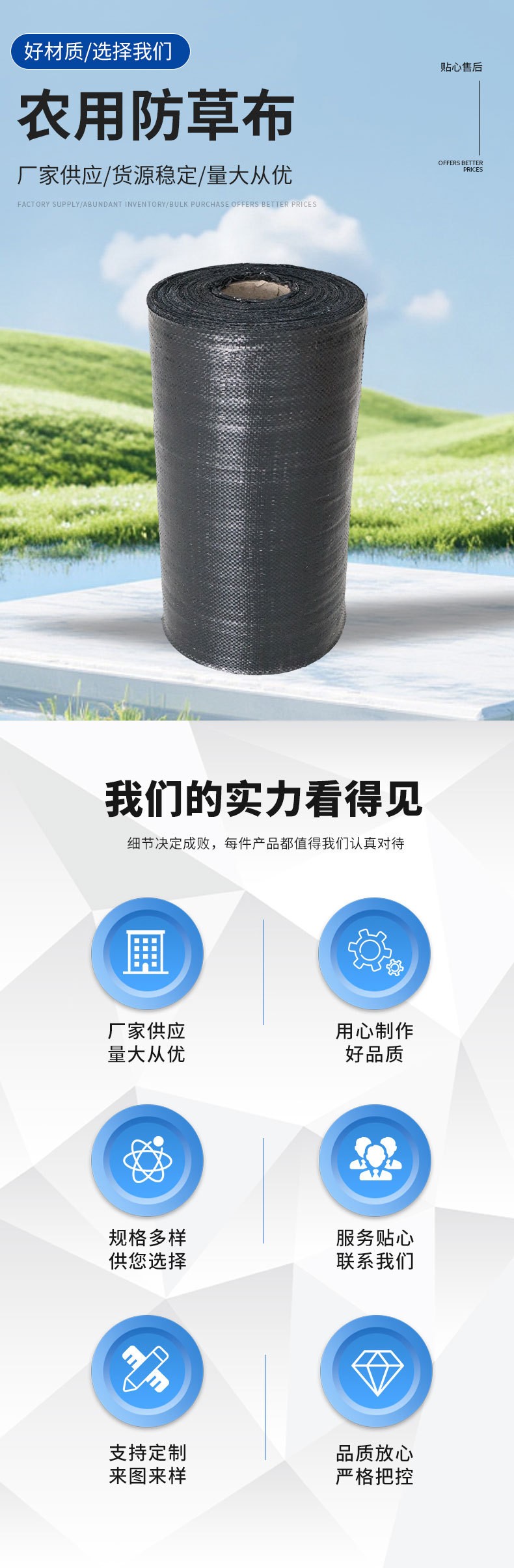
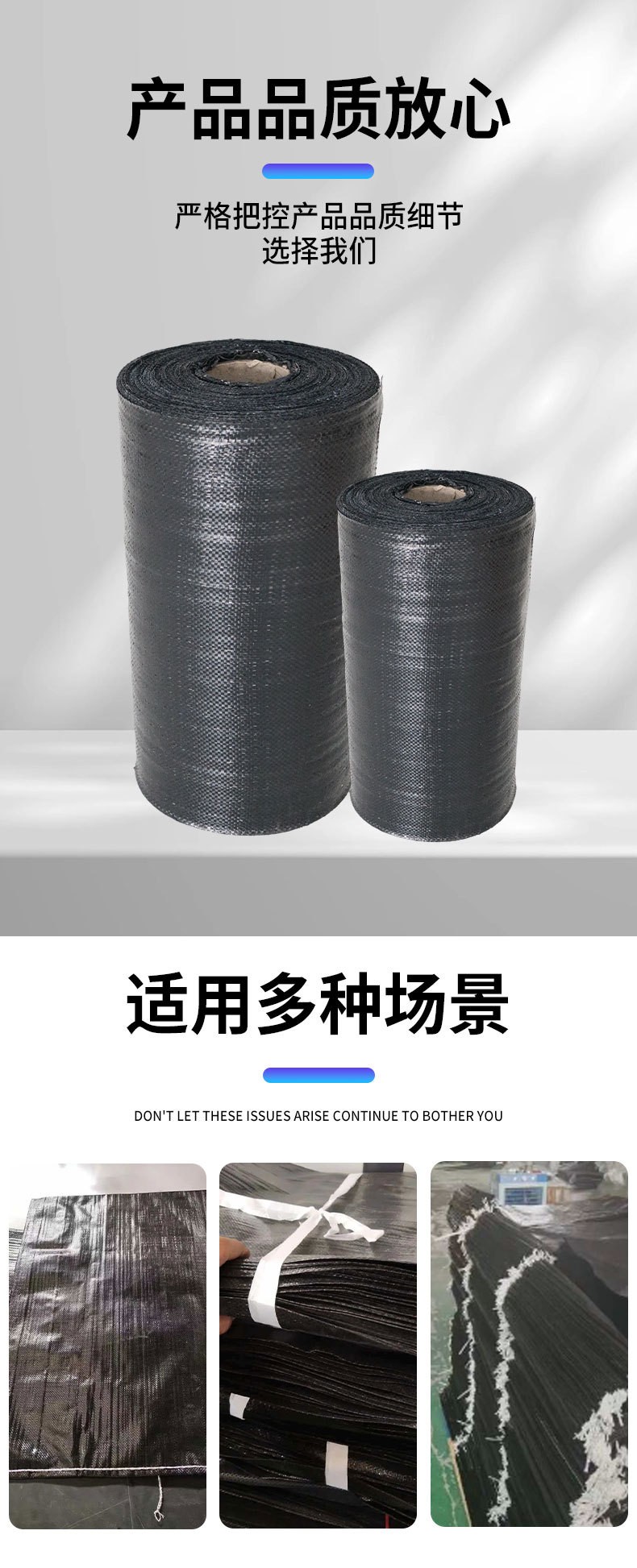
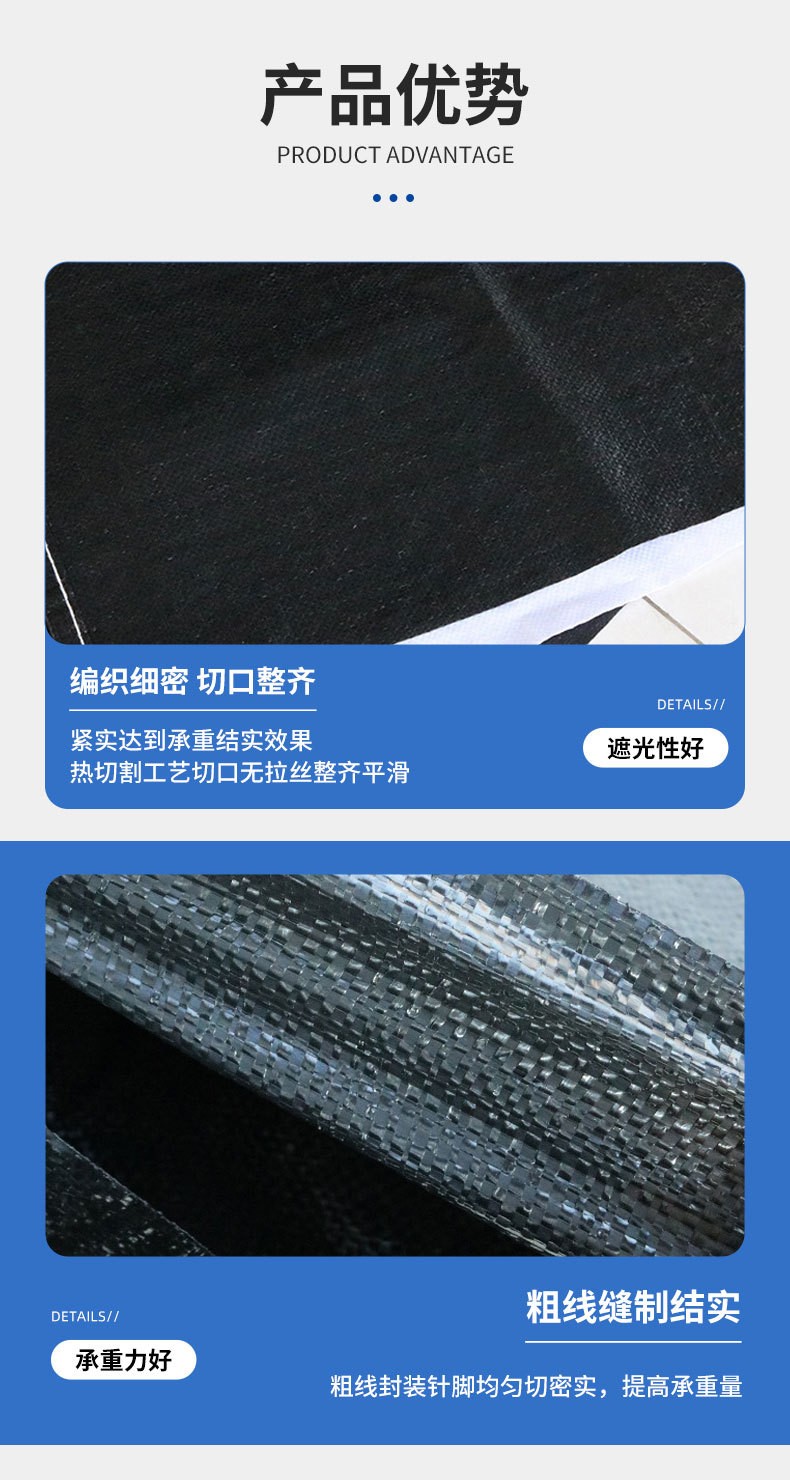
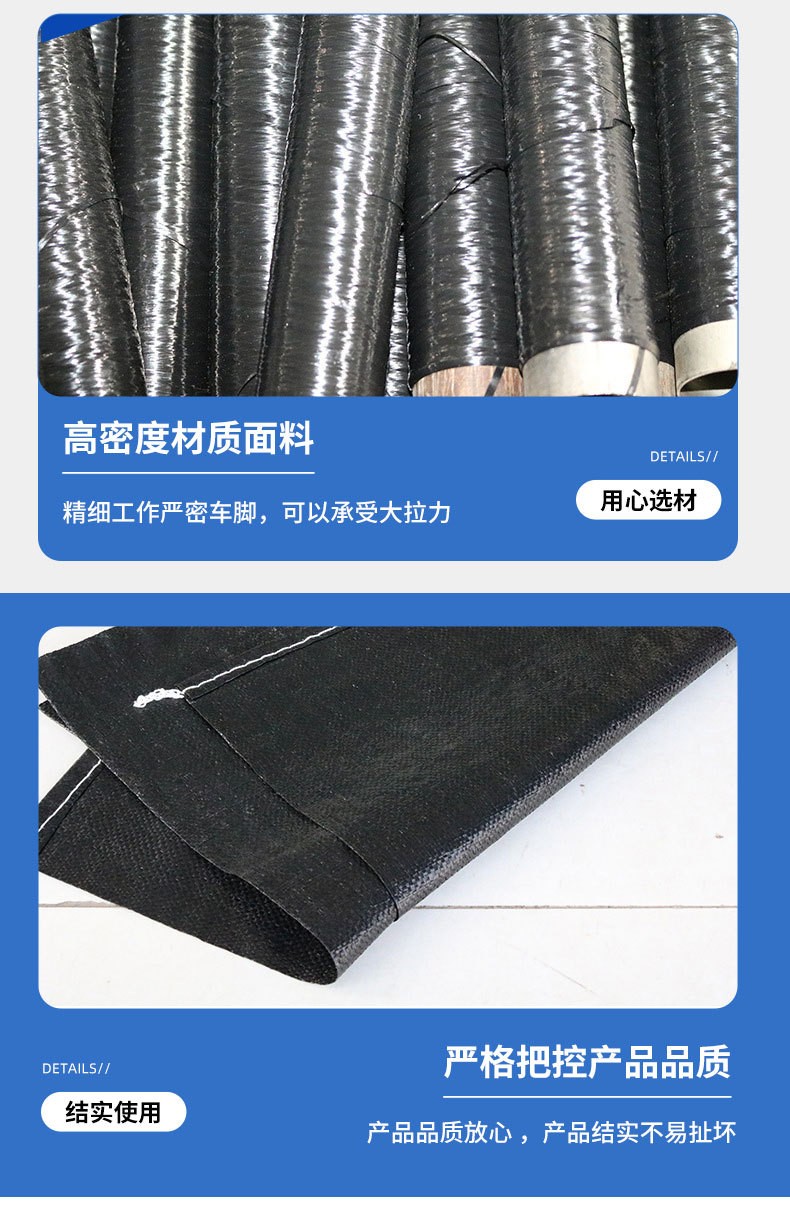
Agricultural weed control fabric is a type of plastic woven fabric made from polyethylene that has been drawn into threads and then processed using a circular weaving technique. During the production process, special materials are added, which not only extend its outdoor lifespan but also make it highly effective in preventing weed growth in the cultivation of cash crops and in greenhouses. Using agricultural weed control fabric can effectively suppress various weeds. The fabric has sufficient permeability to water, preventing water from pooling on its surface, thereby keeping the ground clean and suitable for walking, making it a win-win solution.
Functions of Agricultural Weed Control Fabric:
1. Prevents weed growth on the ground. The fabric blocks direct sunlight from reaching the soil (especially with black fabric) and, with its sturdy structure, prevents weeds from growing through it, thus effectively inhibiting weed growth.
2. Quickly drains water and keeps the ground clean. The drainage properties of the fabric ensure rapid removal of surface water. Additionally, the layers of gravel and sand beneath the fabric effectively prevent soil particles from seeping upward, maintaining a clean surface.
3. Supports healthy root growth and prevents root rot. This benefit comes from the woven structure of the fabric, which ensures that the crop roots are not waterlogged and allows air to circulate around the roots, preventing rot.
4. Prevents extra root growth in potted flowers and improves plant quality. When producing potted flowers on the fabric, it prevents roots from growing out of the pot and into the ground, thereby maintaining high-quality plants.
5. Facilitates cultivation management. Most fabrics have single or double directional grid lines, which help accurately arrange pots or planting substrates in greenhouses or outdoors.