



1. Significant advantages and wide range of applicable scenarios
1. Convenient and efficient construction
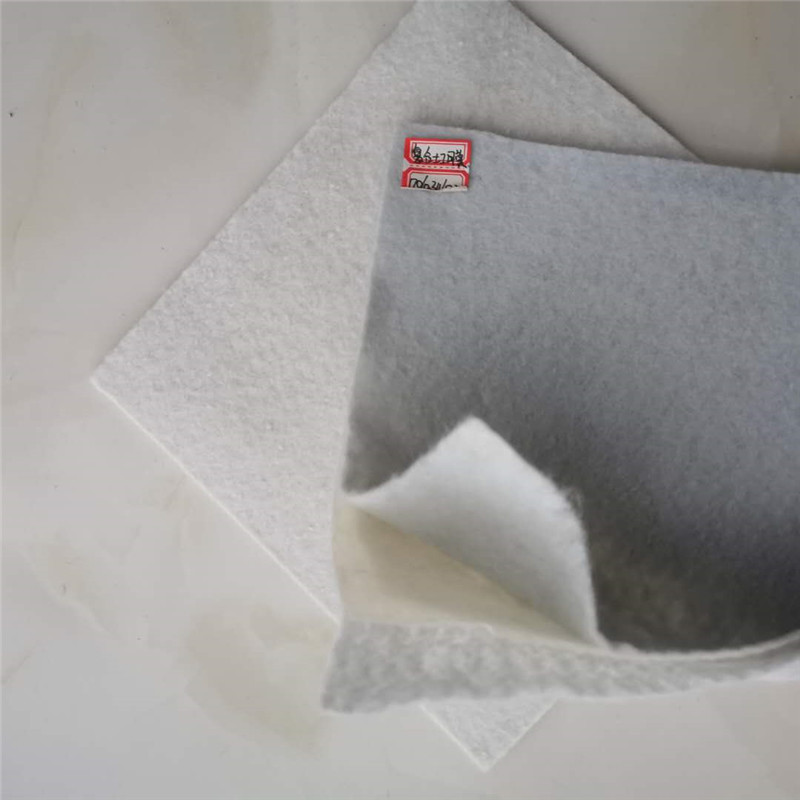
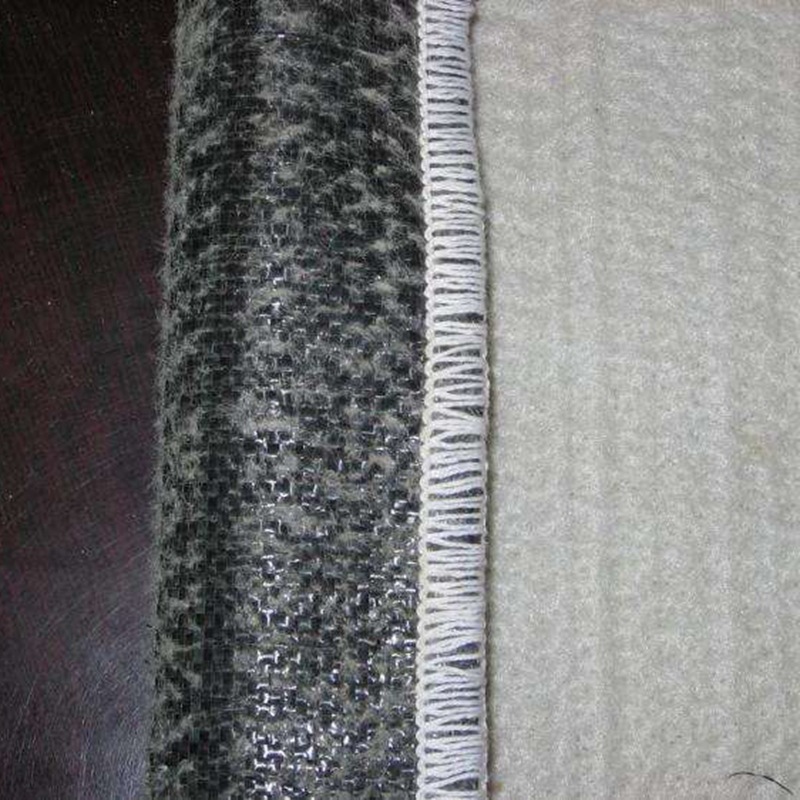
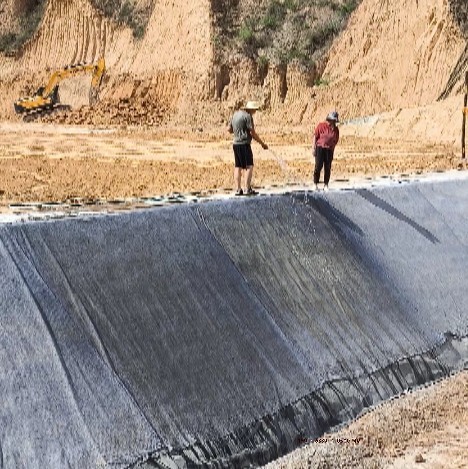
Cement blankets do not require complex mixing and transportation equipment, and are unfolded and cut like traditional blankets when laid, and can be cured only by watering, greatly shortening the construction period. For example, in the repair of small water channels, traditional concrete construction requires multiple links such as formwork, pouring, and maintenance, which takes several days, while cement blankets can be laid and preliminarily cured on the same day, especially suitable for emergency repair or construction in remote areas.
2. Cost controllability
It perfectly eliminates the cost of formwork, labor, transportation, etc., and the comprehensive cost may be lower. Taking rural self-built roads as an example, if the road length is short and the terrain is complex, the transportation and laying cost advantages of cement blankets are obvious, and concrete waste is reduced.
3. Outstanding durability and adaptability
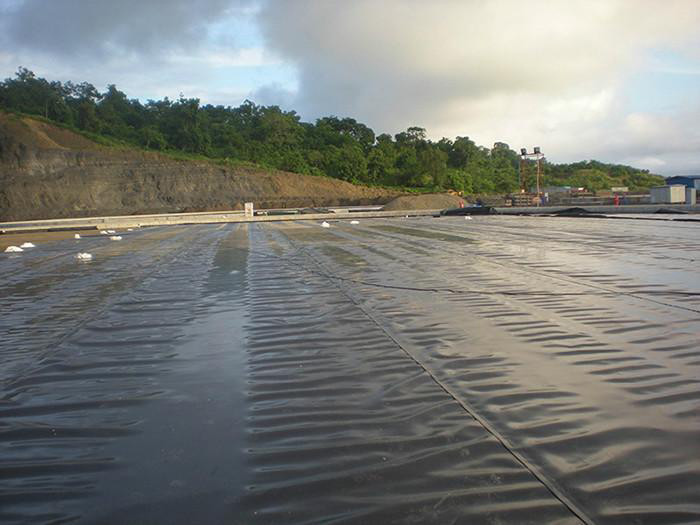
After curing, it forms a high-strength waterproof layer, with excellent resistance to folding and compression, and can withstand vehicle crushing and water washing, and is suitable for slope protection, roof waterproofing, temporary roads and other scenarios. Its flexibility can also adapt to slight terrain settlement, is not easy to crack, and is more resistant to deformation than traditional concrete.
4. High environmental protection and safety
The energy consumption of the production process is low, there is no dust and noise pollution during laying, and there is no release of harmful substances after curing. In the construction of projects around water sources or residential areas, it can effectively reduce the impact on the environment and meet the requirements of green construction.
2. Limitations and restrictions on use
1. Thickness and strength restrictions
The thickness of standard cement blanket is usually 6-20mm, which can meet general protection needs, but it cannot replace structural load-bearing concrete (such as bridges, high-rise building foundations), and needs to be used with other materials.
3. Conclusion: Choose on demand, and the advantageous scenario is more valuable
Recommended use scenarios: fish pond slope protection, foundation pit support, temporary roads and other projects
Carefully select scenarios: large-area structural load-bearing projects, long-term immersion in highly corrosive environments (such as chemical wastewater tanks), and leveling sites with strict budget restrictions and convenient construction conditions.


