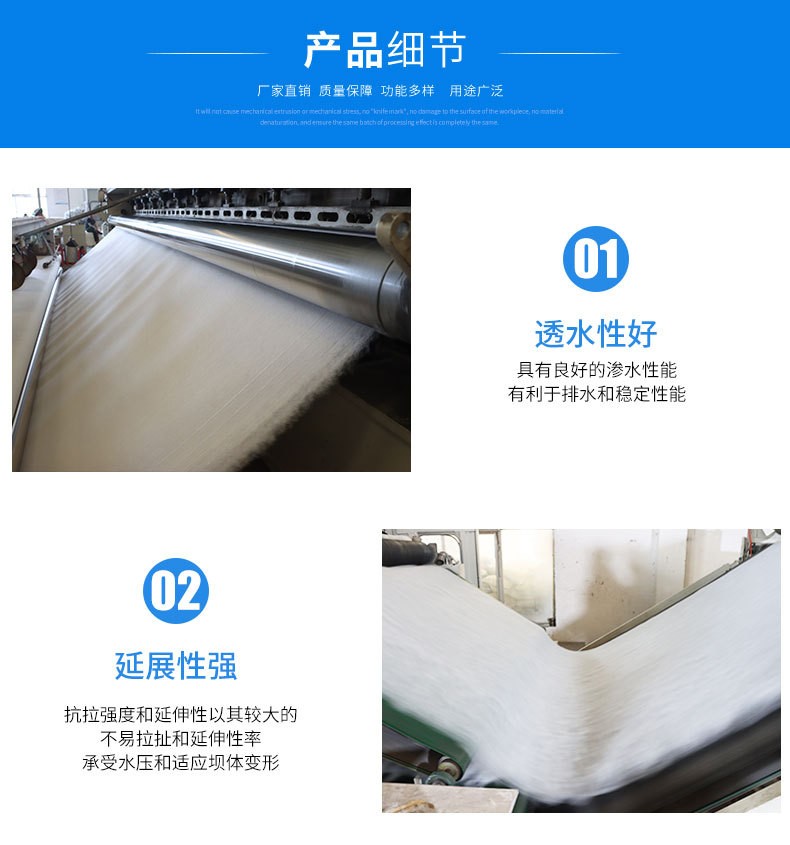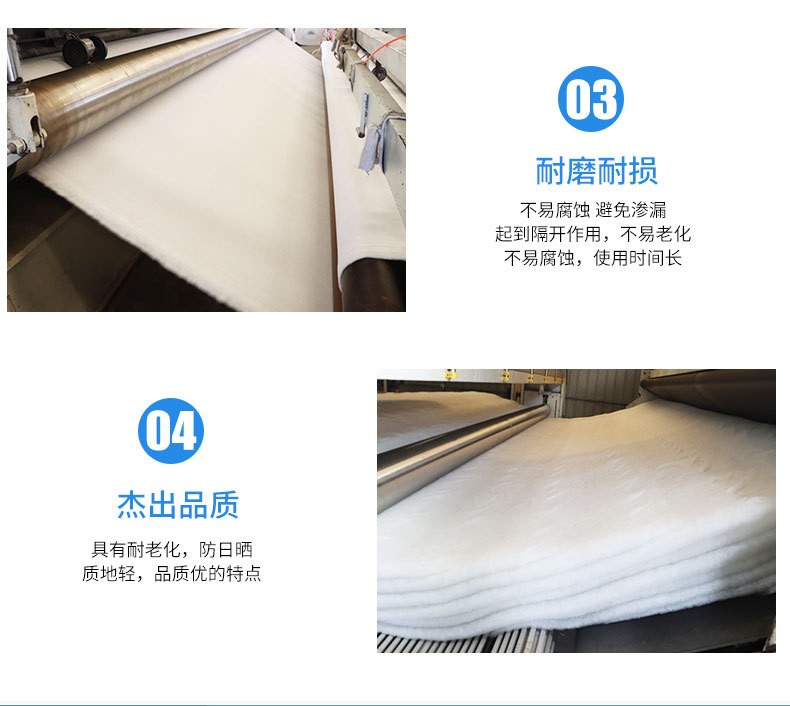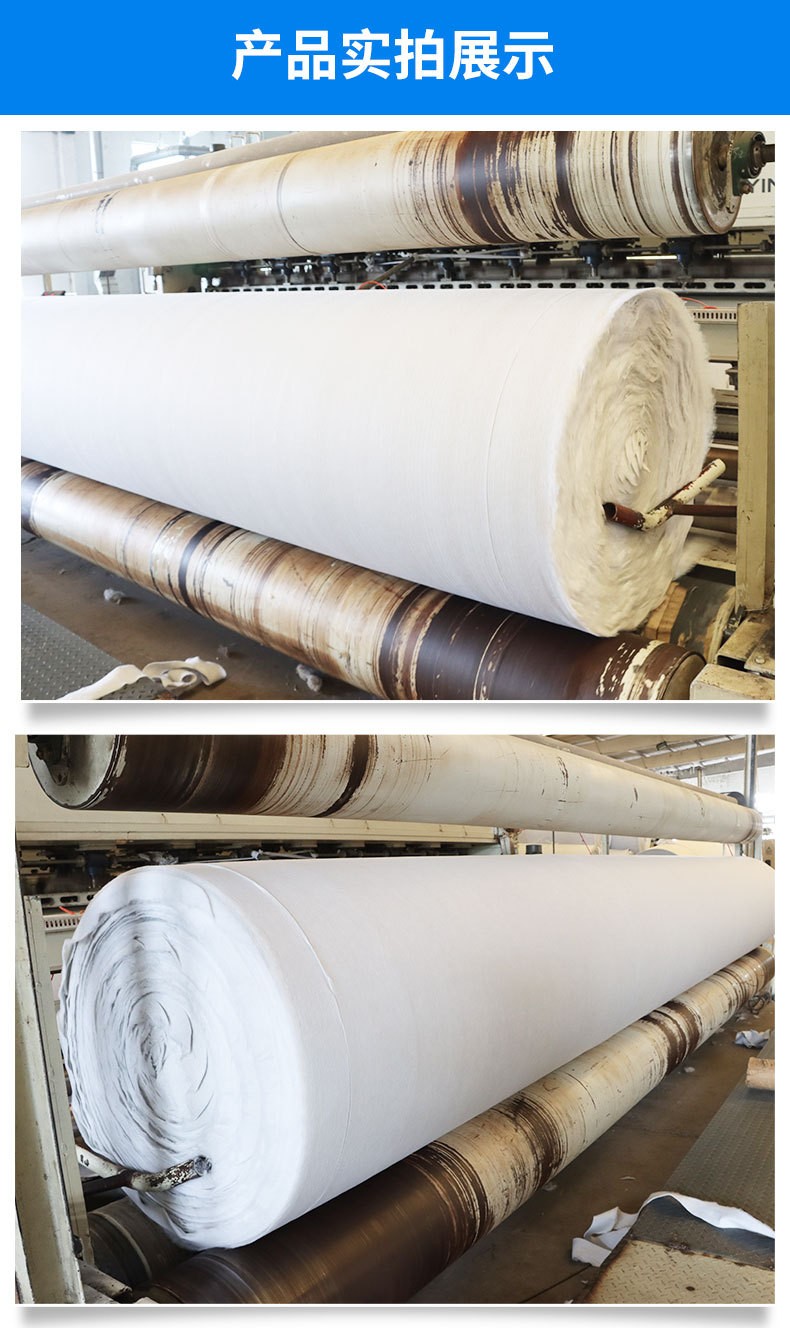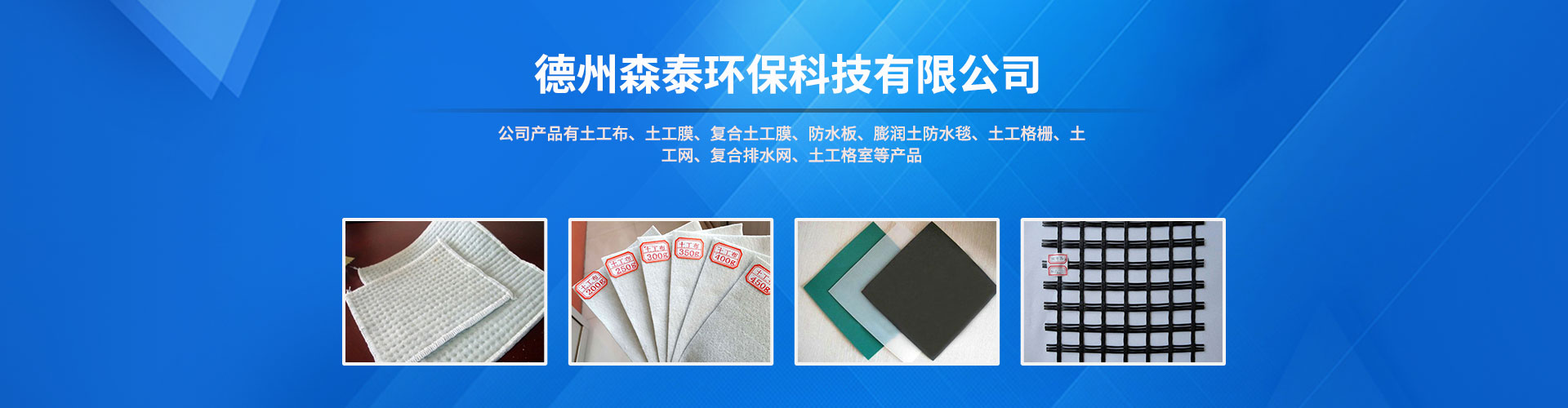
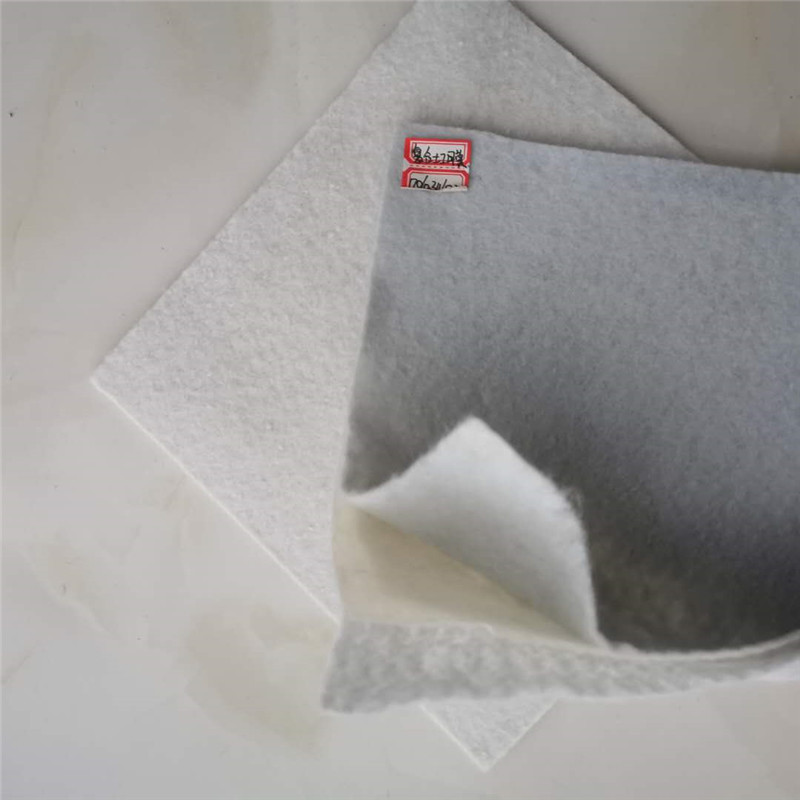

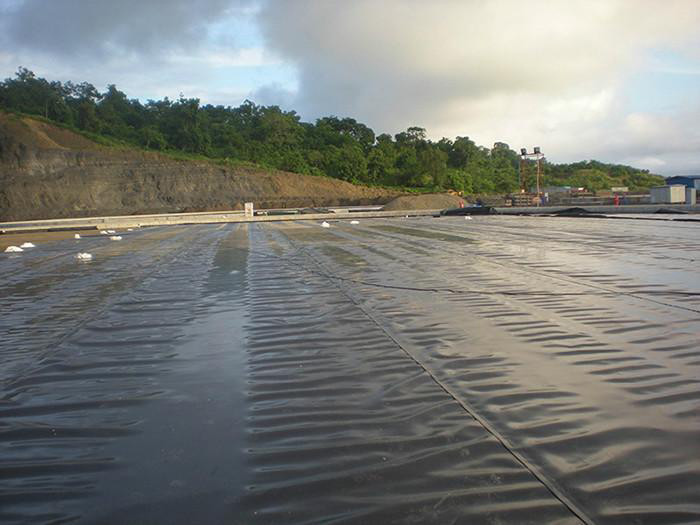
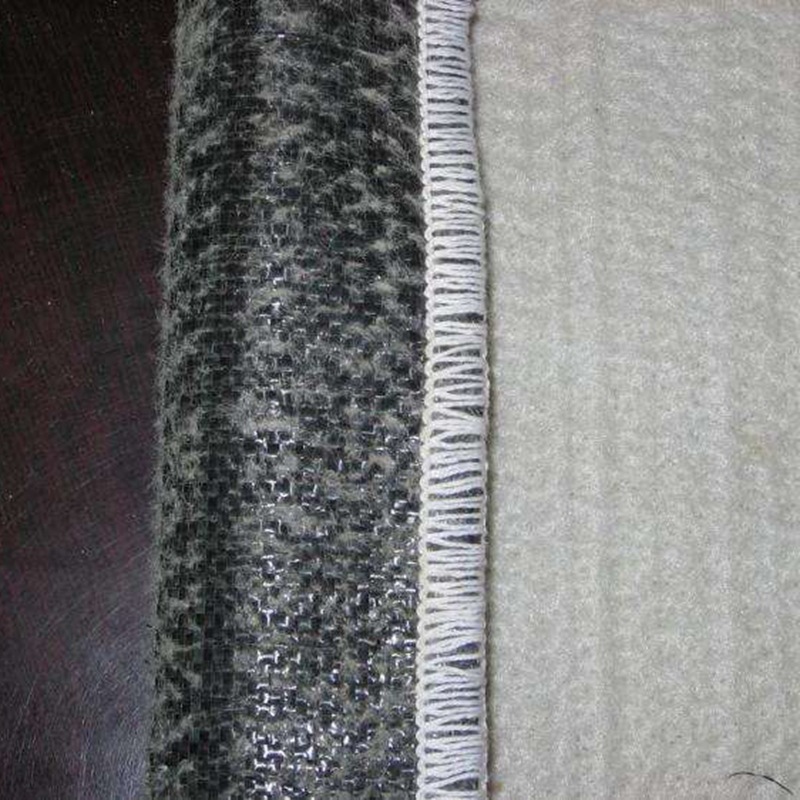

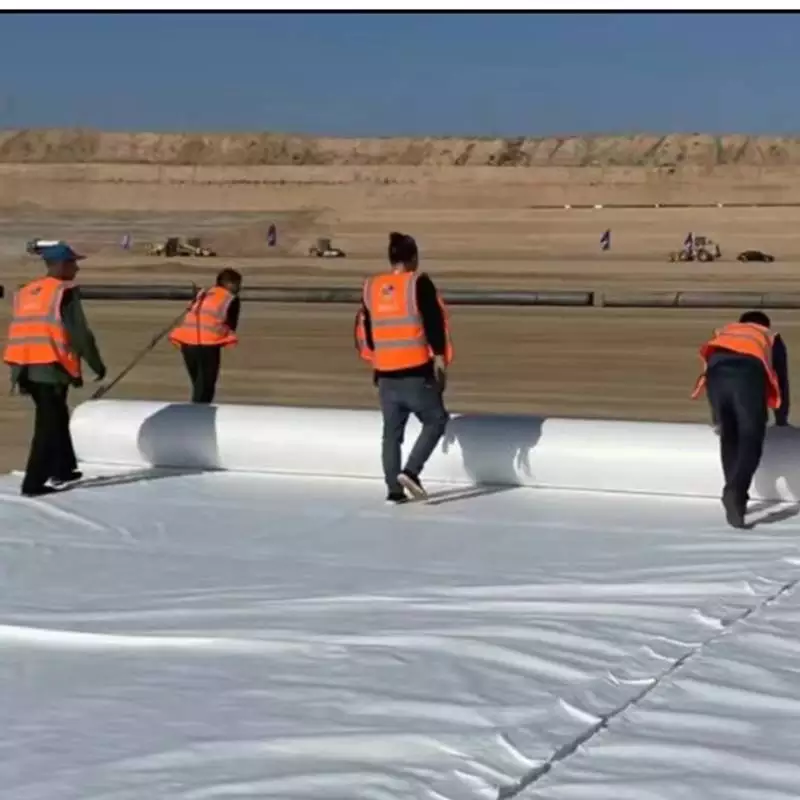
Polypropylene geotextile is a water-permeable geosynthetic material, mainly including woven geotextiles, non-woven geotextiles, and composite geotextiles. Woven geotextiles are formed by weaving warp and weft yarns, featuring strong tensile strength in both longitudinal and transverse directions. Non-woven geotextiles are produced using spunbond or short fiber needle-punching processes, providing functions such as separation, reinforcement, filtration, drainage, and protection. The product specifications are usually 4-6 meters in width and 50-100 meters in length.
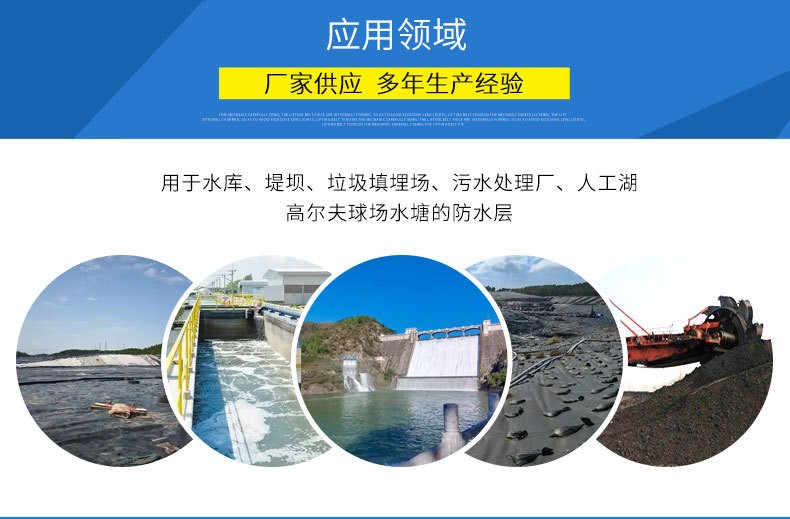
This material is breathable and permeable to water, forming drainage channels within the soil to discharge liquids and gases, while enhancing tensile strength to improve structural stability. Its resistance to acid and alkali corrosion, deformation, and seepage makes it suitable for projects in water conservancy, highways, railways, ports, airports, and other engineering fields. For example, in highway projects, it helps to control rutting deformation and reduces the thickness of the crushed stone base, while in water conservancy projects, it serves as a slope protection filter material.
During installation, exposure to ultraviolet light, which can cause aging, should be avoided. Seams should be made using overlapping or stitching methods, with overlap widths greater than 0.2 meters, and stitching lines should have chemical and UV resistance. Geotextiles that are physically damaged must be repaired before use.