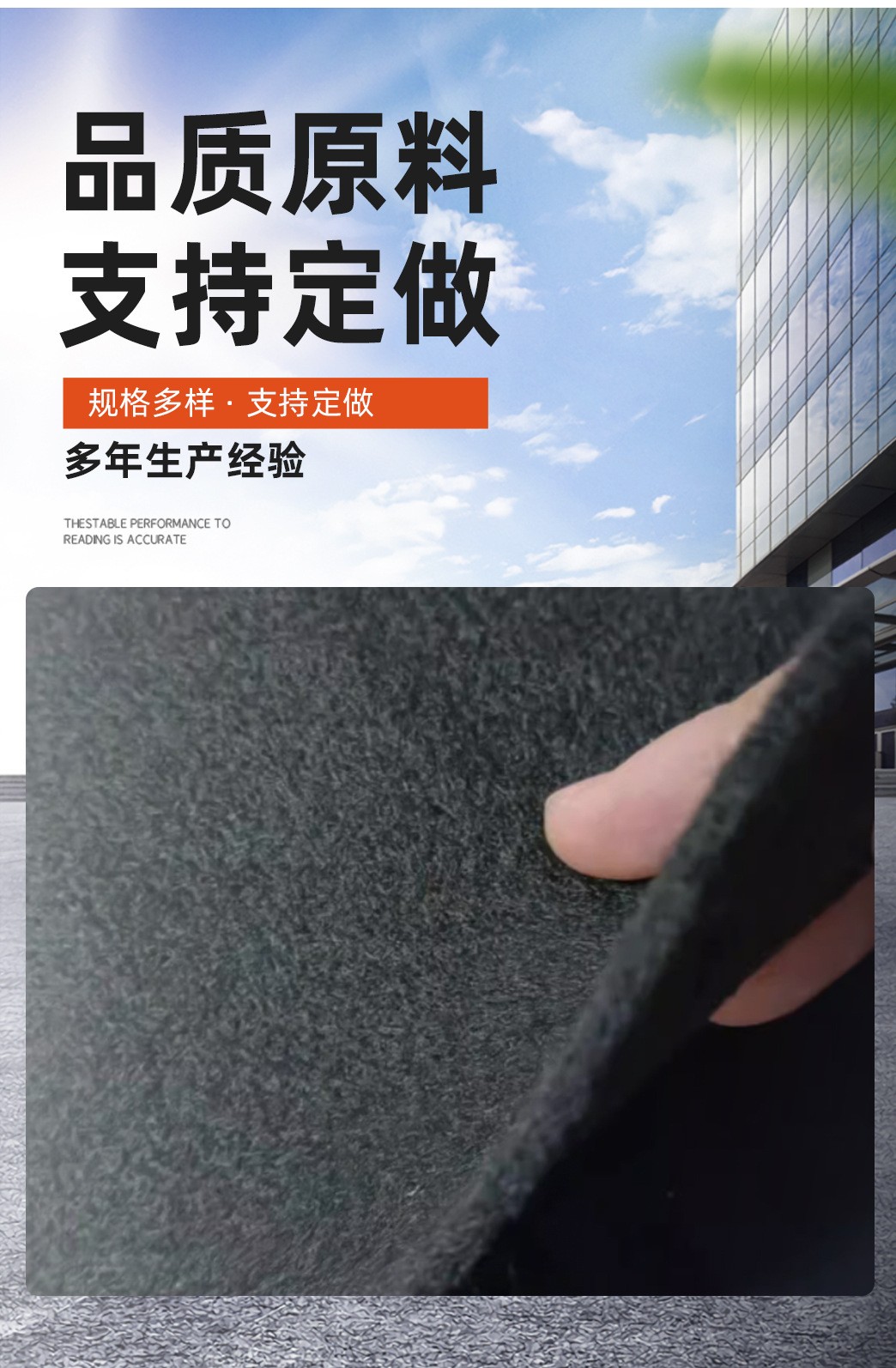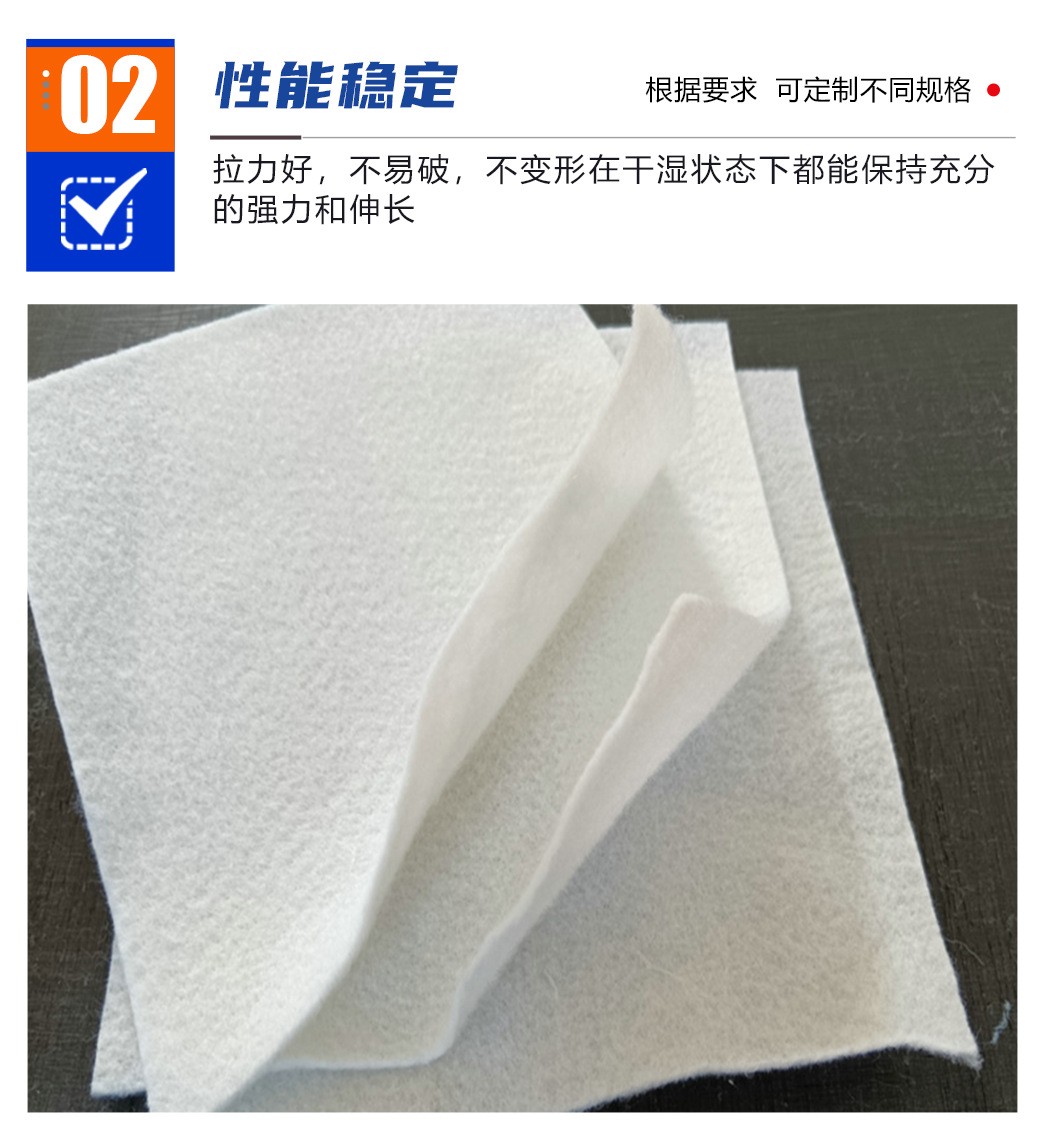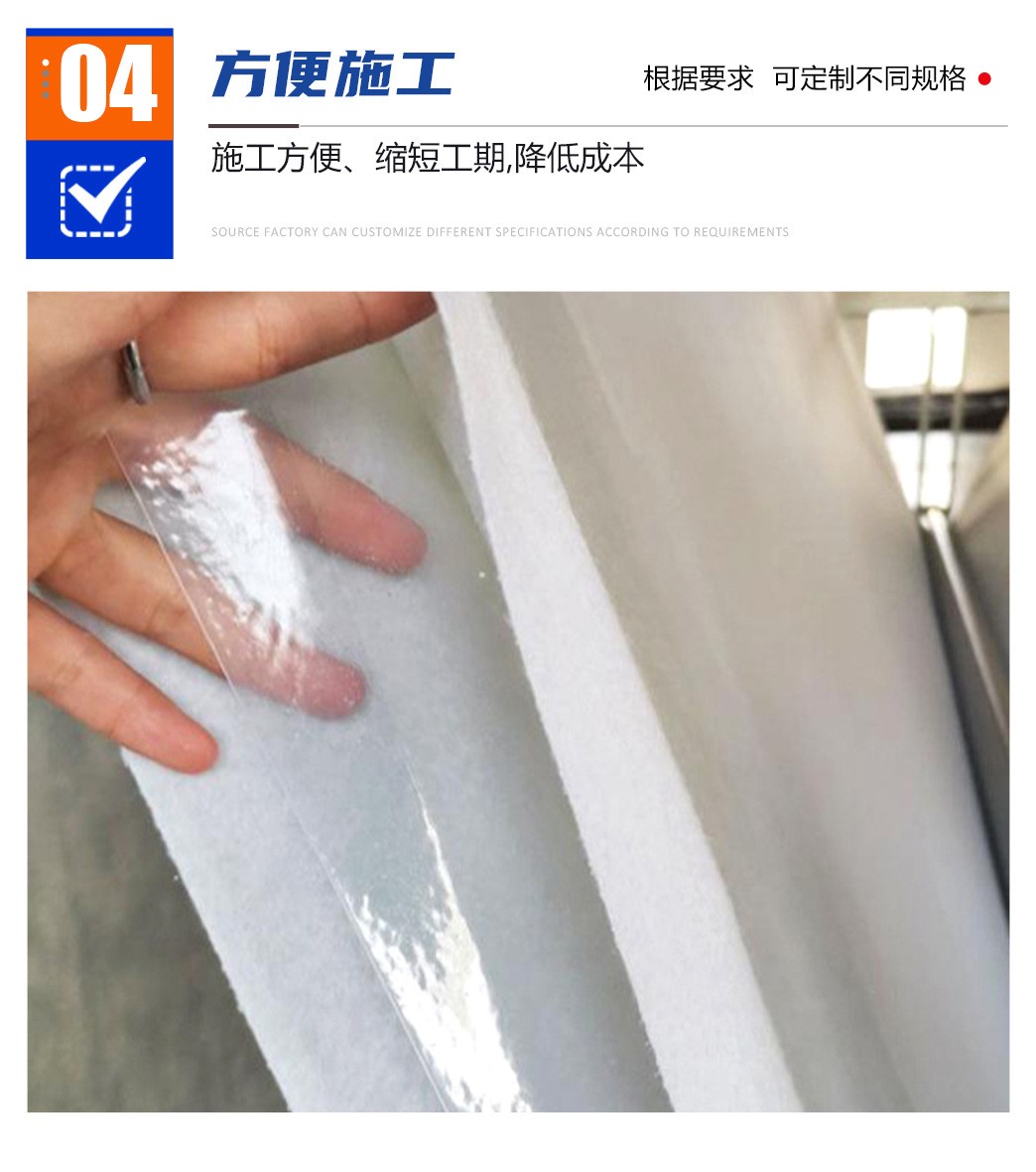
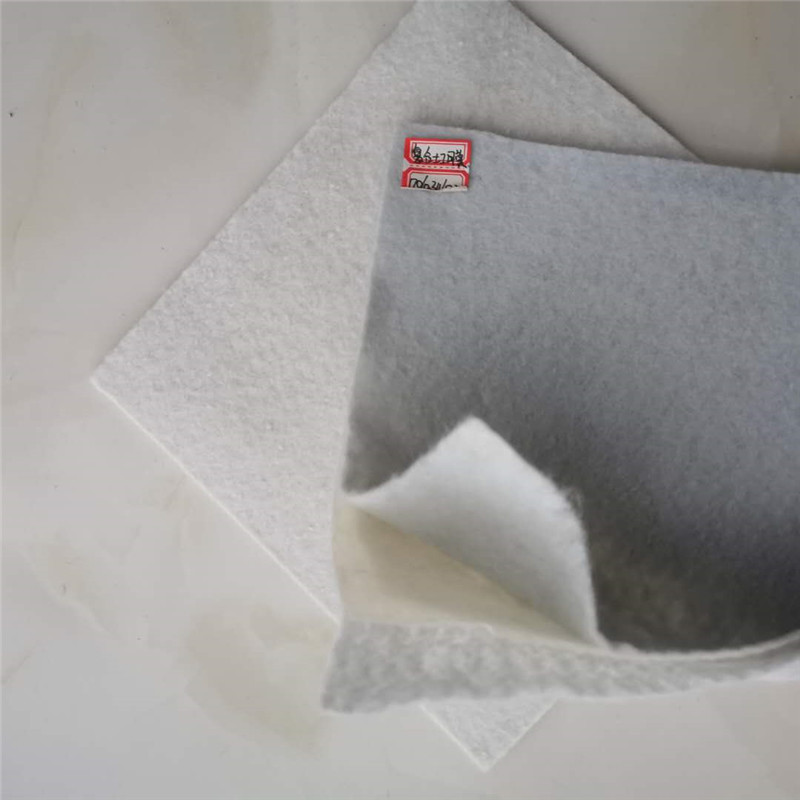

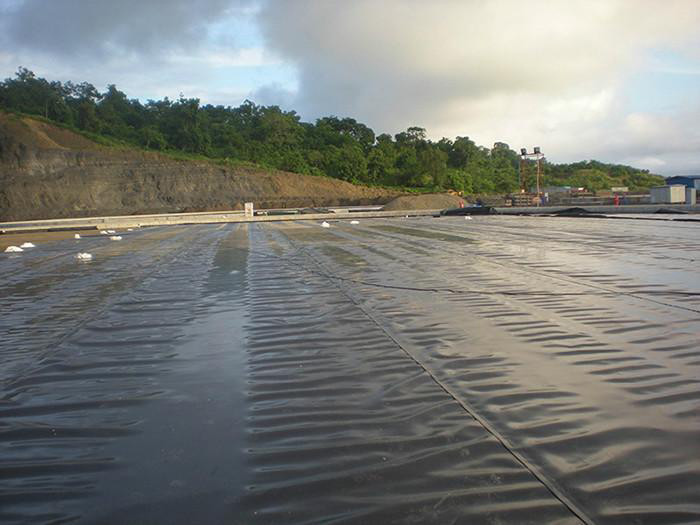
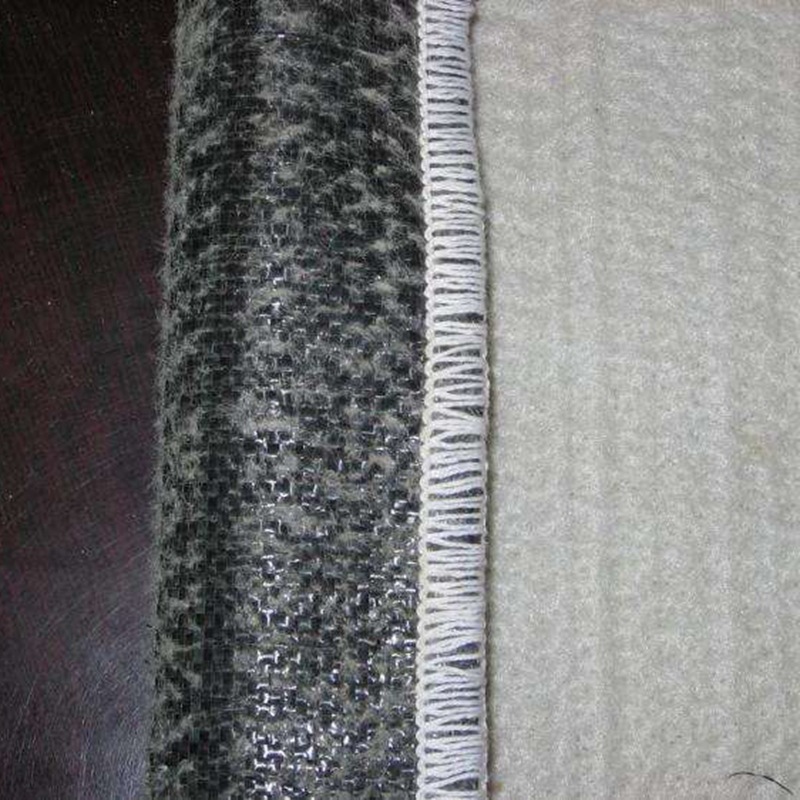

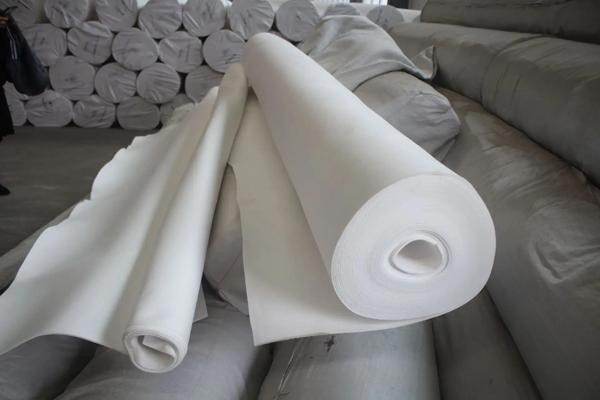
Polyester geotextile is a type of non-woven and industrial fabric, made from polyester crimped staple fibers with a fineness of 6-12 denier and a length of 54-64 mm. The production process involves opening, carding, randomizing (interlacing the short fibers), web laying, and needle punching, resulting in a width of 1-6 meters and a unit area weight of 100-600 grams per square meter. This material forms a three-dimensional mesh structure through needle punching, featuring high tensile strength, good permeability, high-temperature resistance, and frost resistance. The first domestic polyester spunbond production line was developed successfully by Shaoxing Lida Company in 1995.
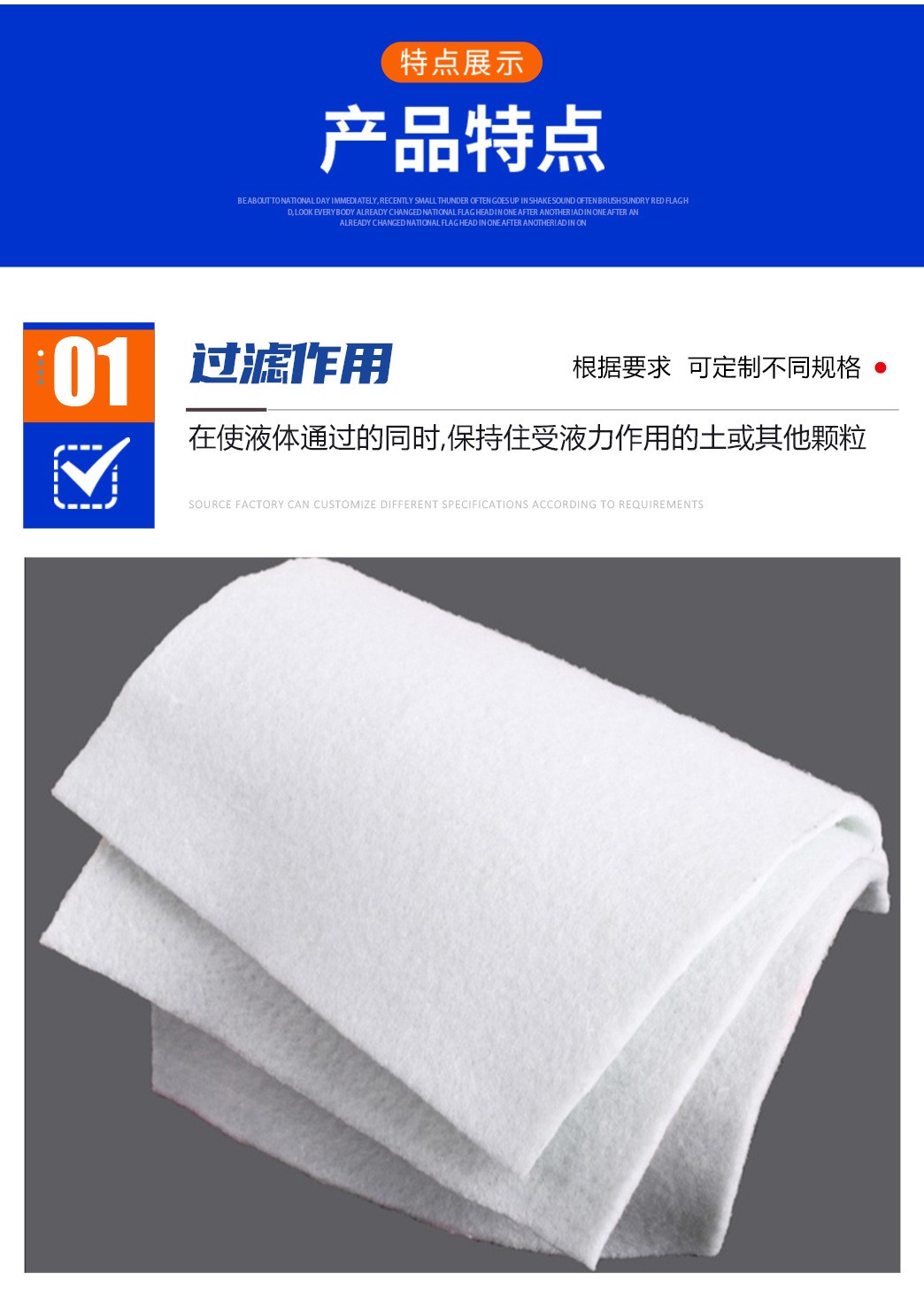
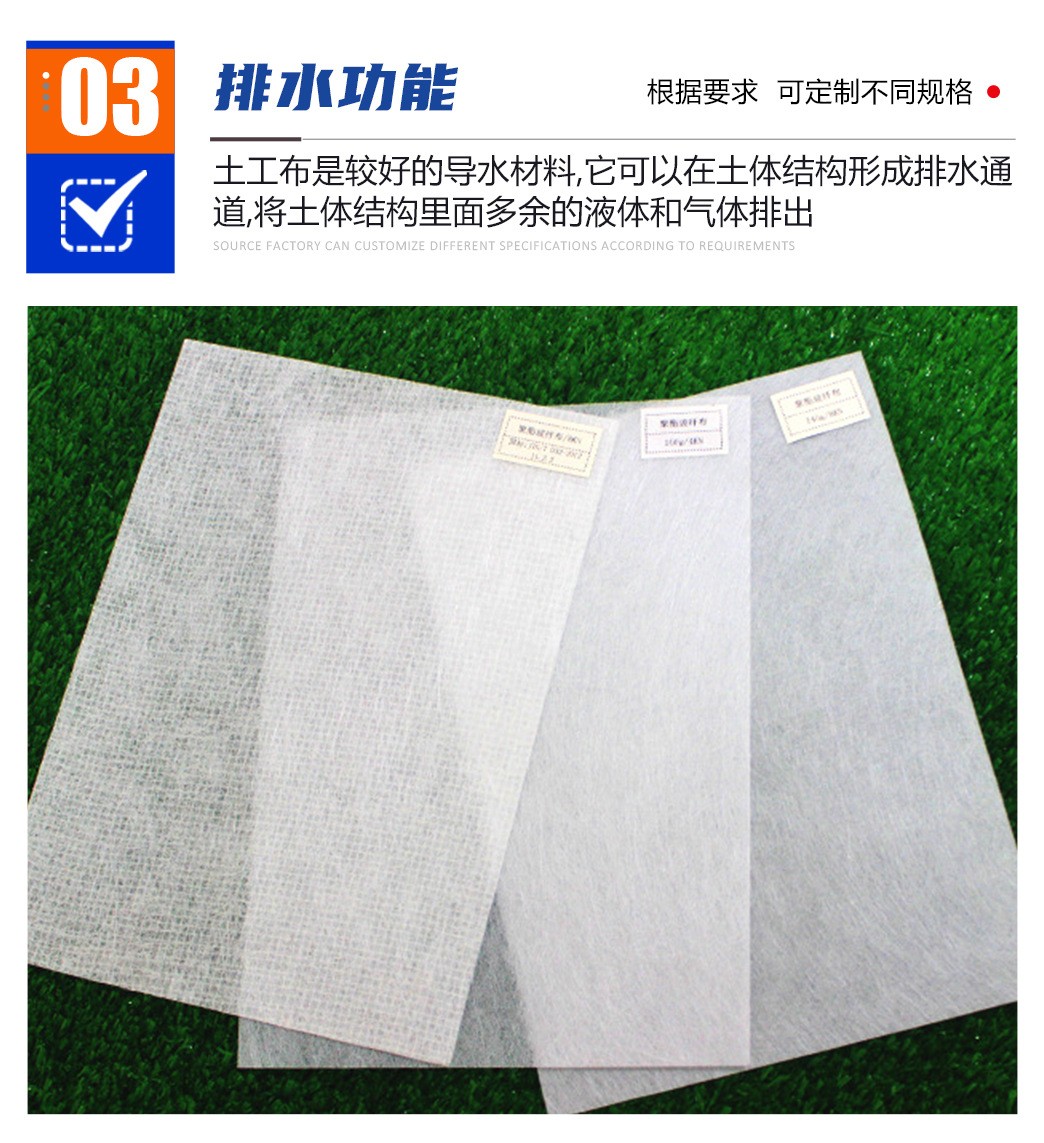
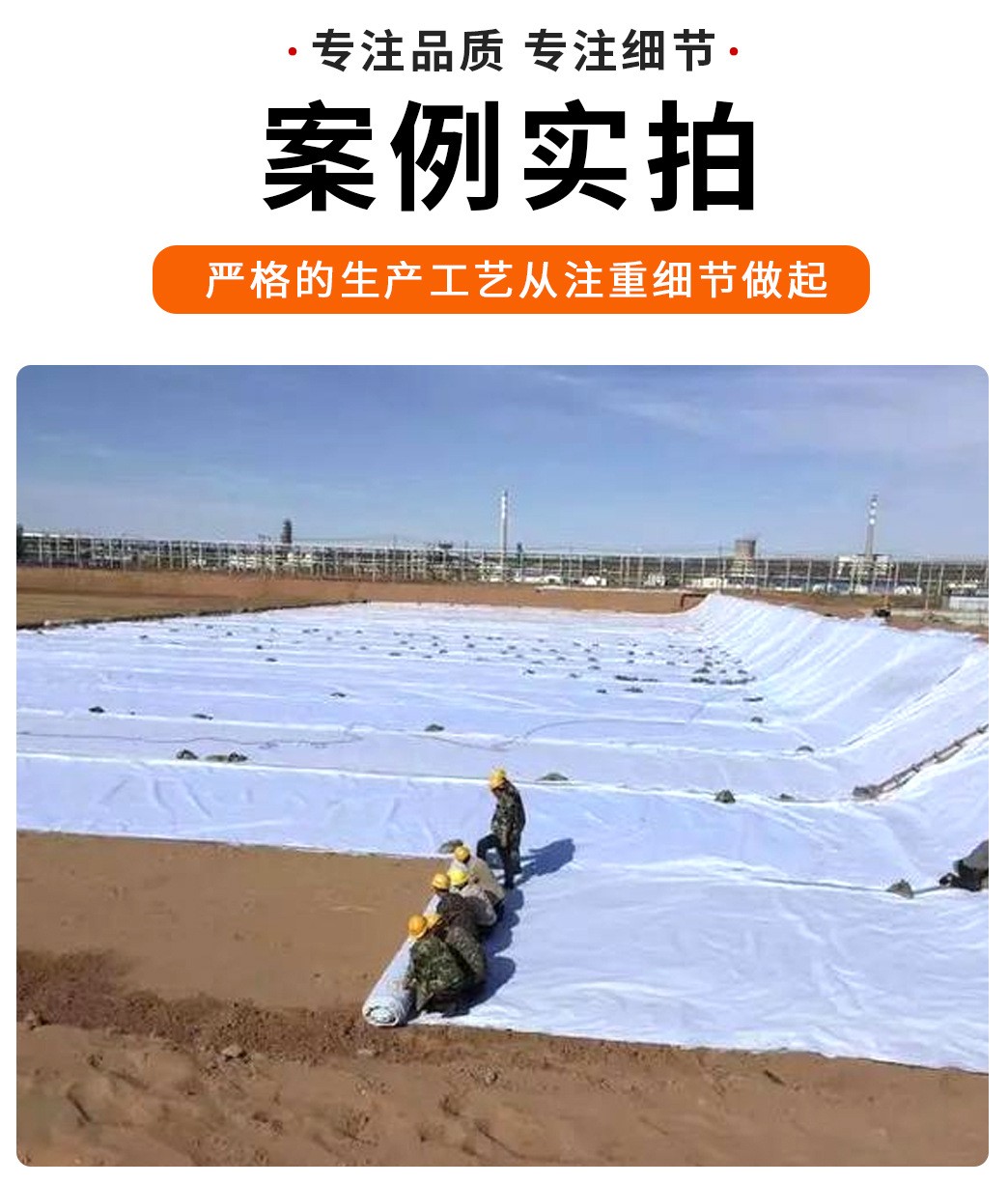
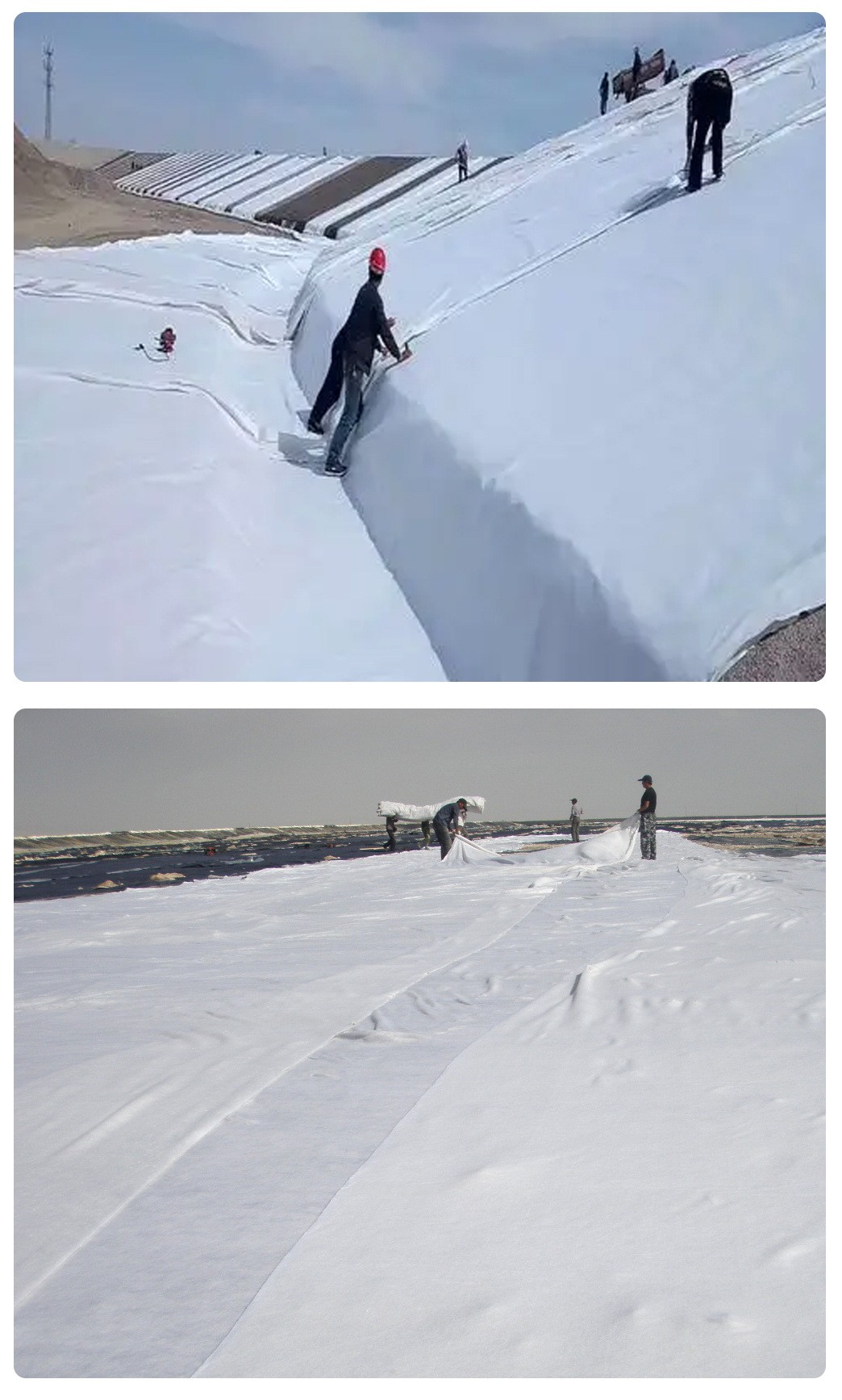
Its engineering functions include separating construction materials, filtering water flow, enhancing the tensile strength of soil, and dispersing water flow stress, making it widely used in railway subgrade reinforcement, highway maintenance, dam protection, and other fields. The needle punching process requires controlling the needle penetration depth, density, and needle type. Future development directions include composite material technology, improved anti-aging performance, and expanded applications in ecological protection.