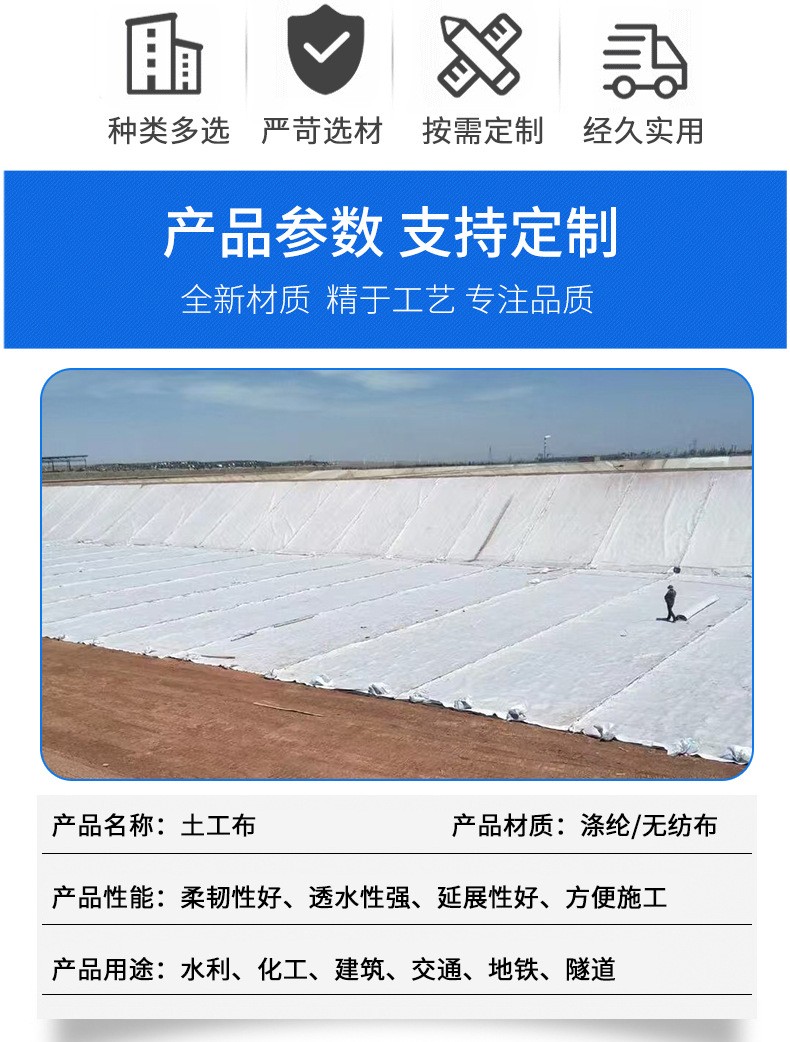
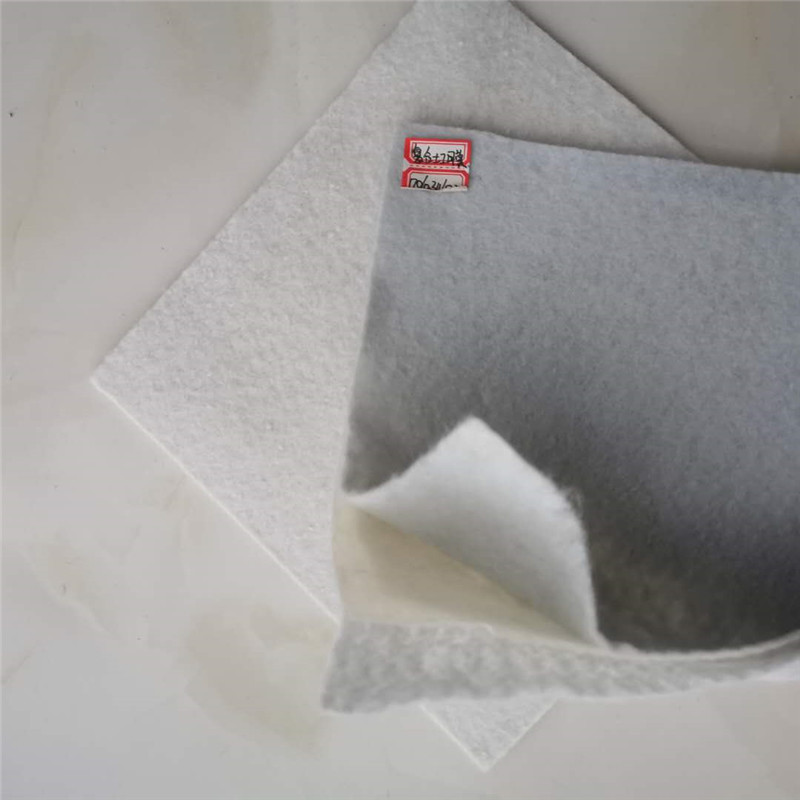

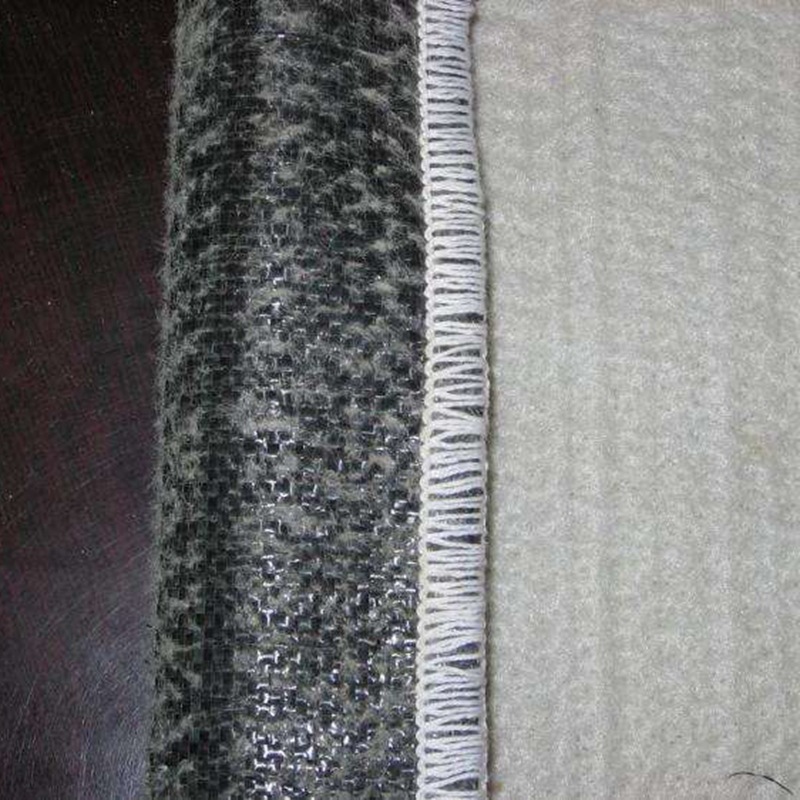

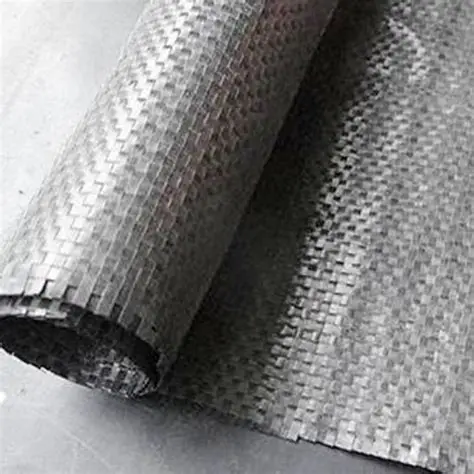
Woven geotextiles are engineering materials made from polypropylene and polyethylene terephthalate flat yarns, woven together through two sets of parallel yarns (warp arranged longitudinally, weft arranged transversely). Their production uses circular weaving machinery, allowing adjustable thickness and density. The weight ranges from 90-400 g/㎡, the width can reach 1-8 meters, and the colors are mainly black and white.
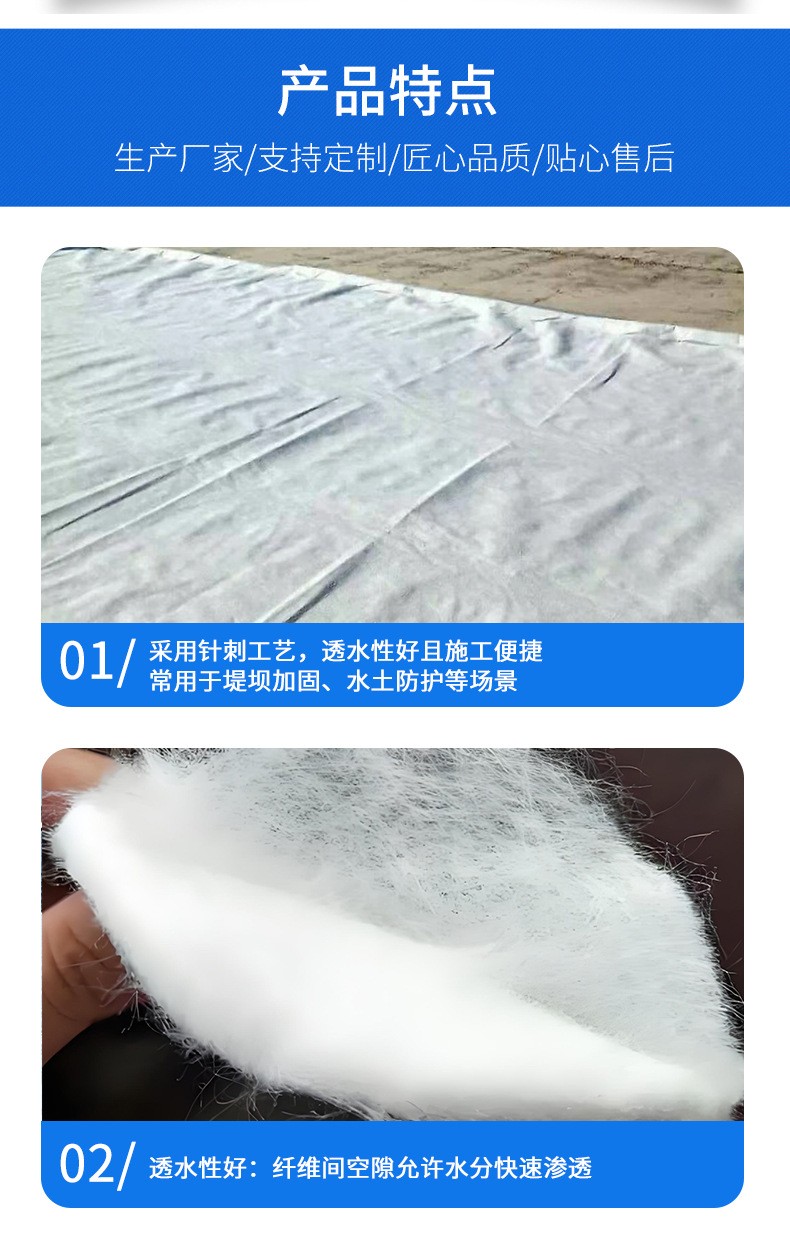
This material has high tensile strength in both longitudinal and transverse directions (warp > weft), and features such as corrosion resistance, good permeability, overall integrity, and construction convenience. The product passes aging tests under xenon arc lamps or fluorescent UV lamps, with strength retention meeting UV resistance requirements. Physical properties include warp and weft tear strength and unit area mass deviation rate, among other indicators [1].
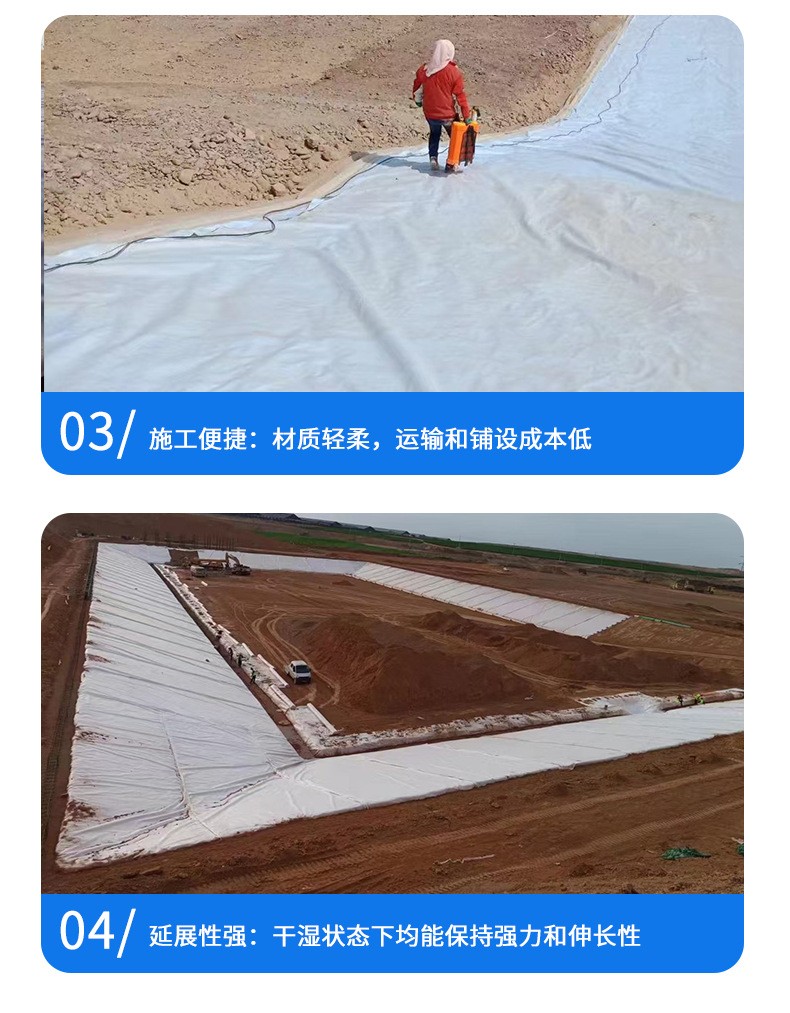
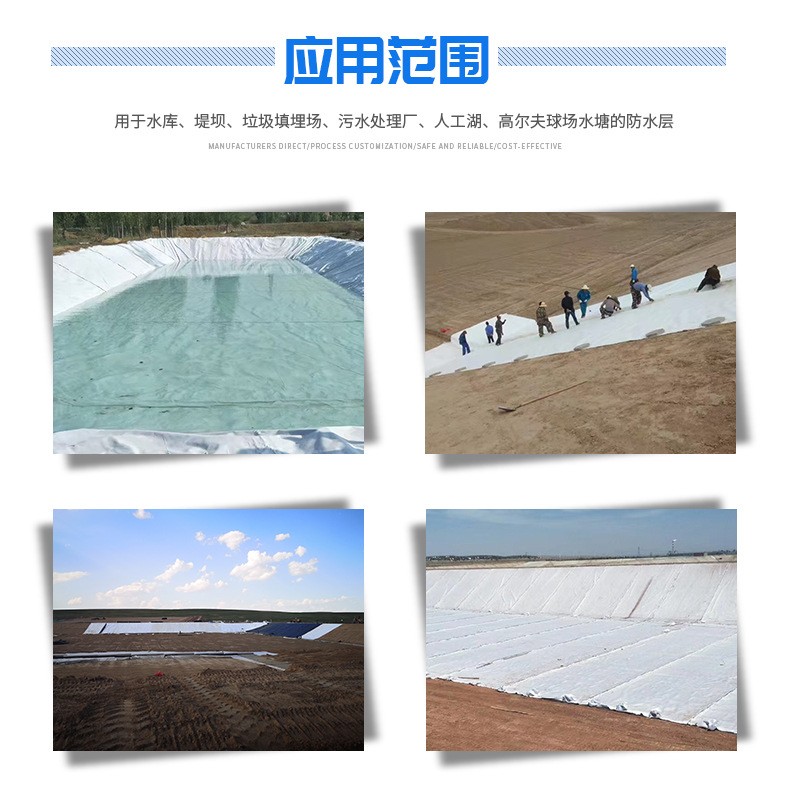
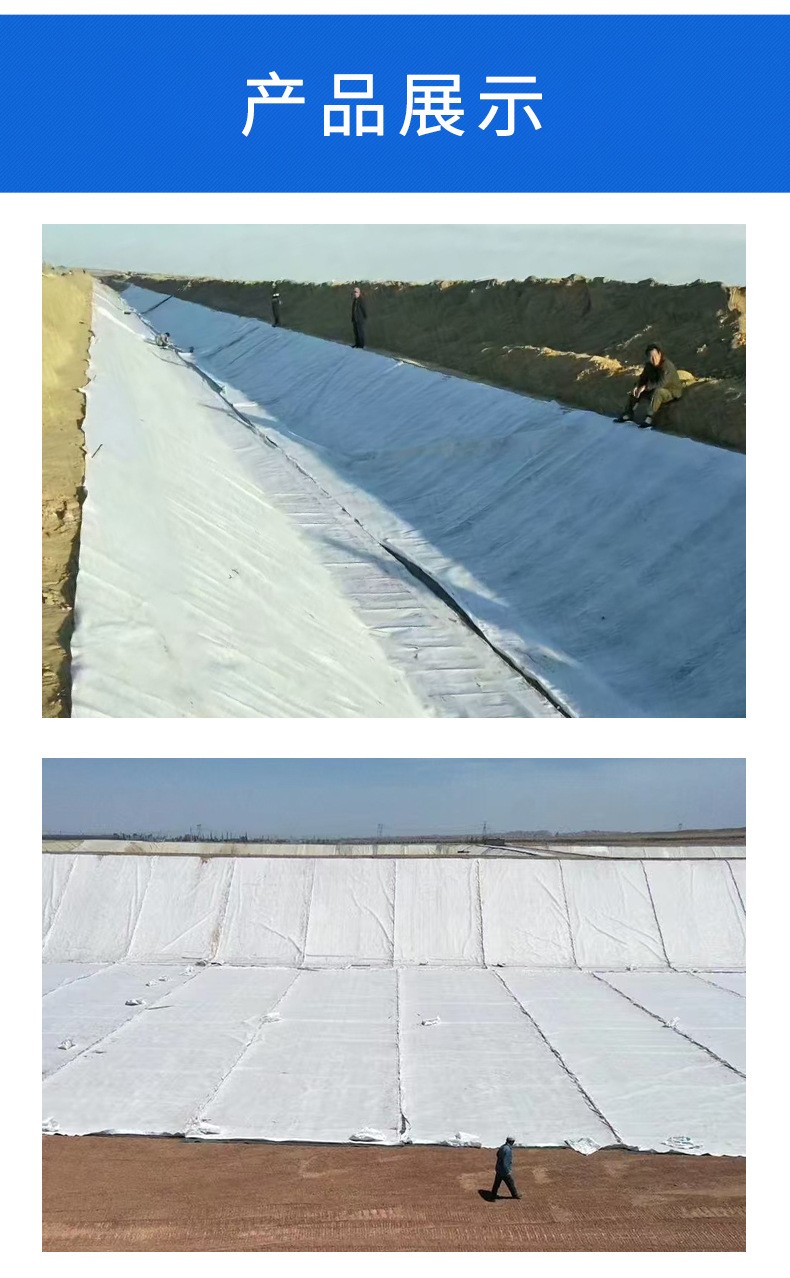
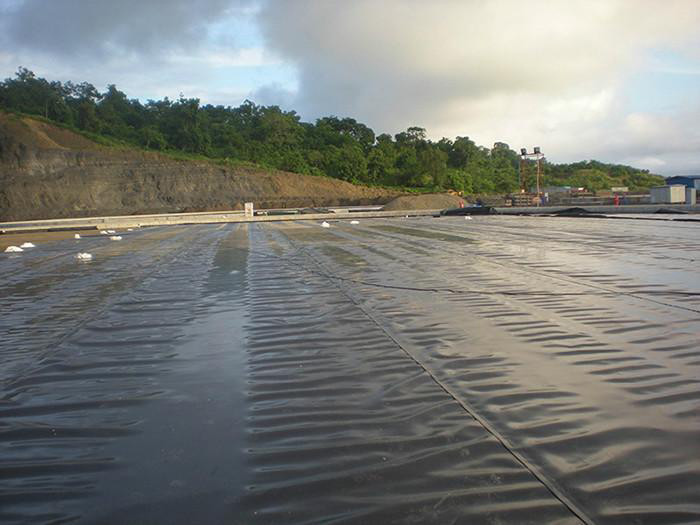
Its main applications include soft base treatment for highways/railways, embankment reinforcement, soil and water protection, and sand and gravel filter layers. It enhances engineering stability by dispersing soil stress and increasing soil modulus. Construction involves manual rolling, with connections made by overlapping (≥0.2m) or sewing (≥0.1m). Cutting requires a specialized geotextile knife to prevent damage to underlying layers.