
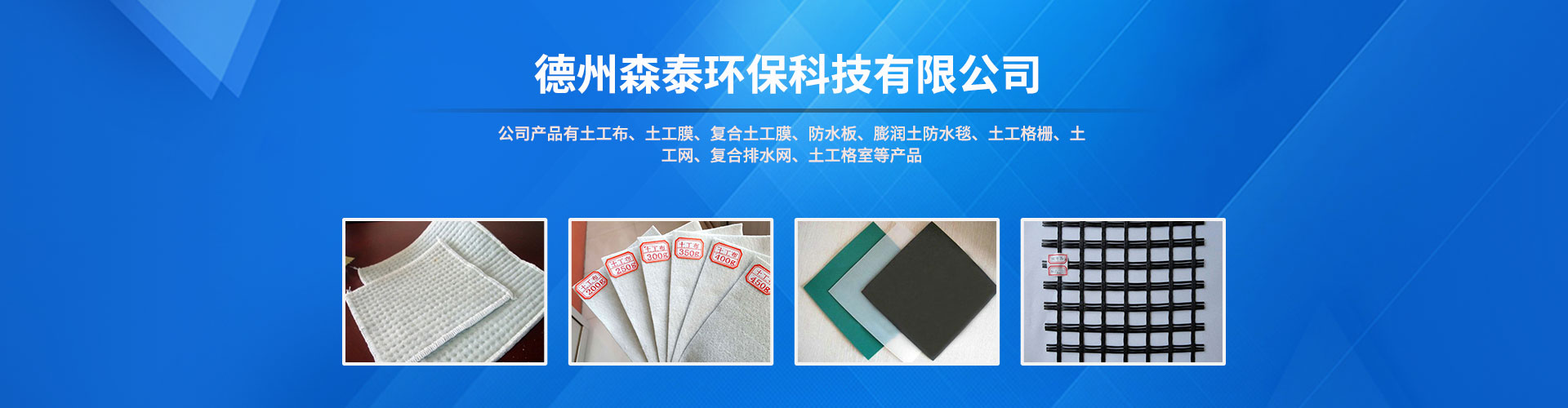
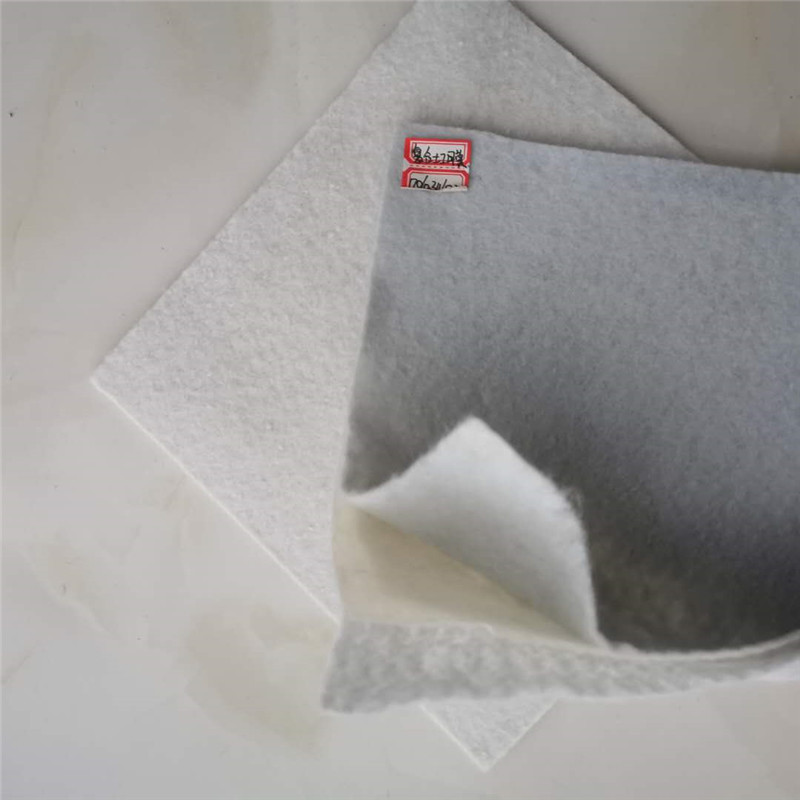

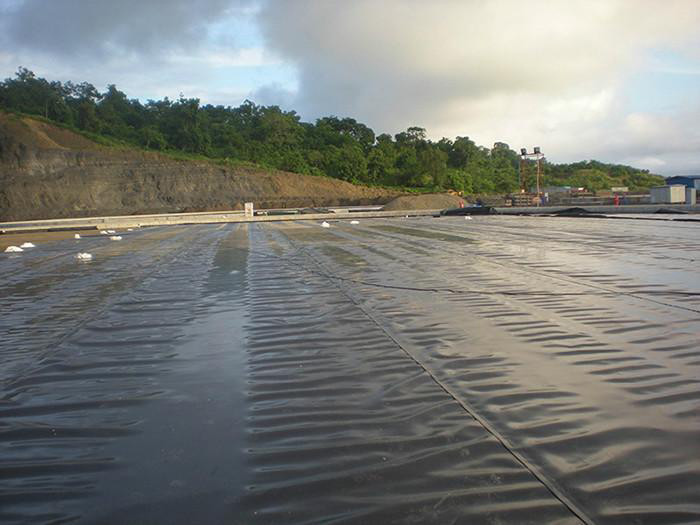
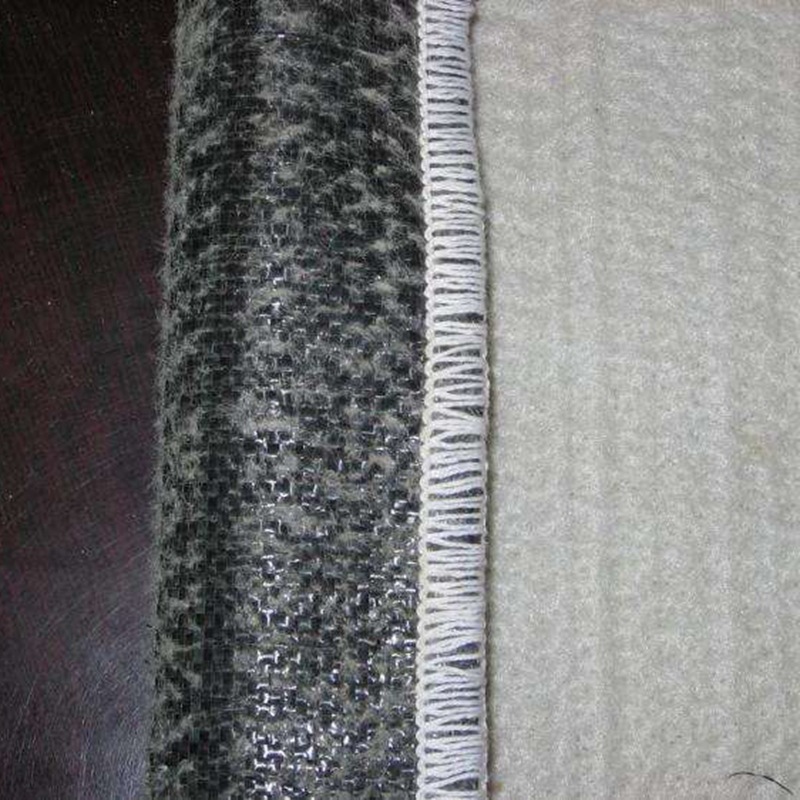

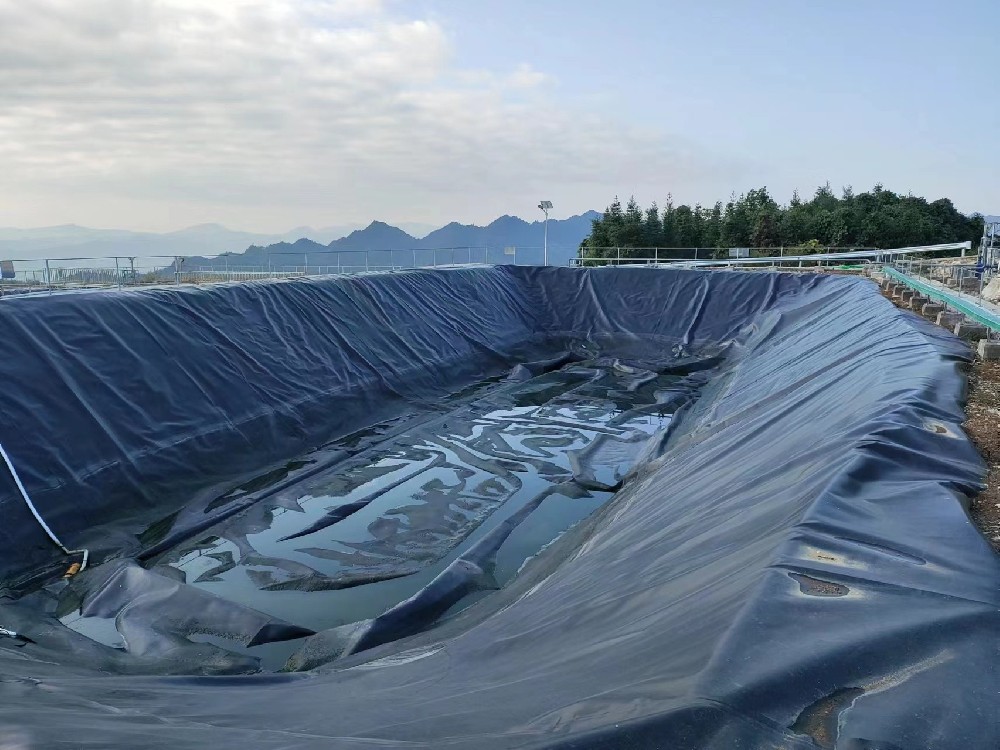
Geomembrane is a type of film made from materials such as polyethylene (PE), which has good impermeability and chemical stability. Its main function is to prevent the penetration of water, sewage, or other liquids, protecting the environment and structural safety. Geomembranes are commonly used in projects such as landfills, wastewater treatment plants, reservoirs, and channels.
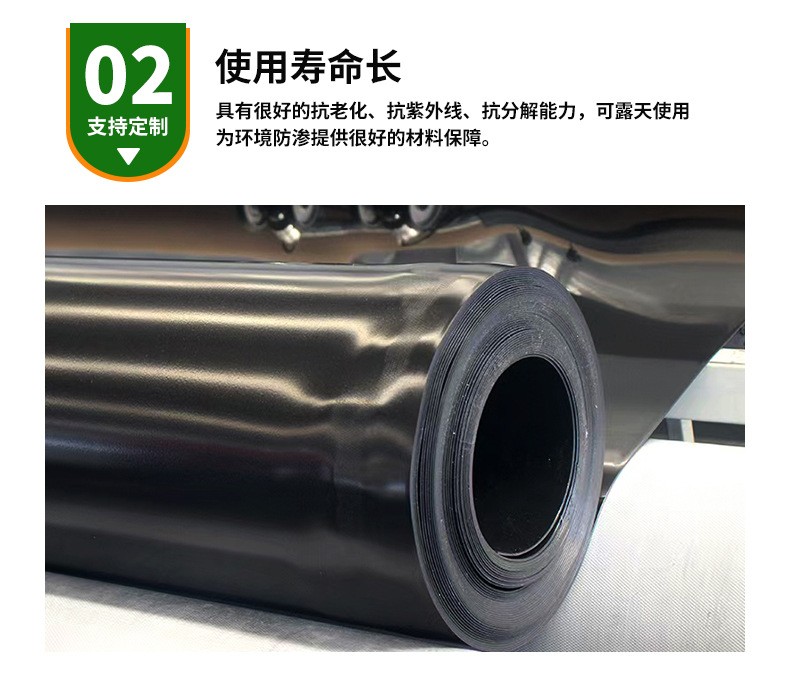
The width of the geomembrane is 1-6 meters, the length is 30-100
meters, and the thickness is 0.2-2.0 mm. The specifications, width, and
length of the membrane can also be customized according to customer
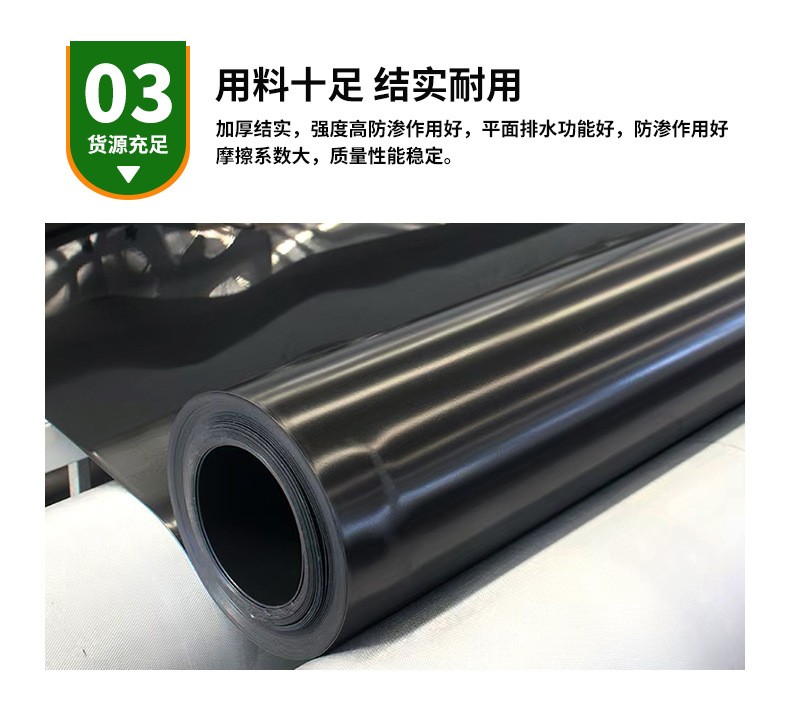
requirements. The membrane is generally black in color.
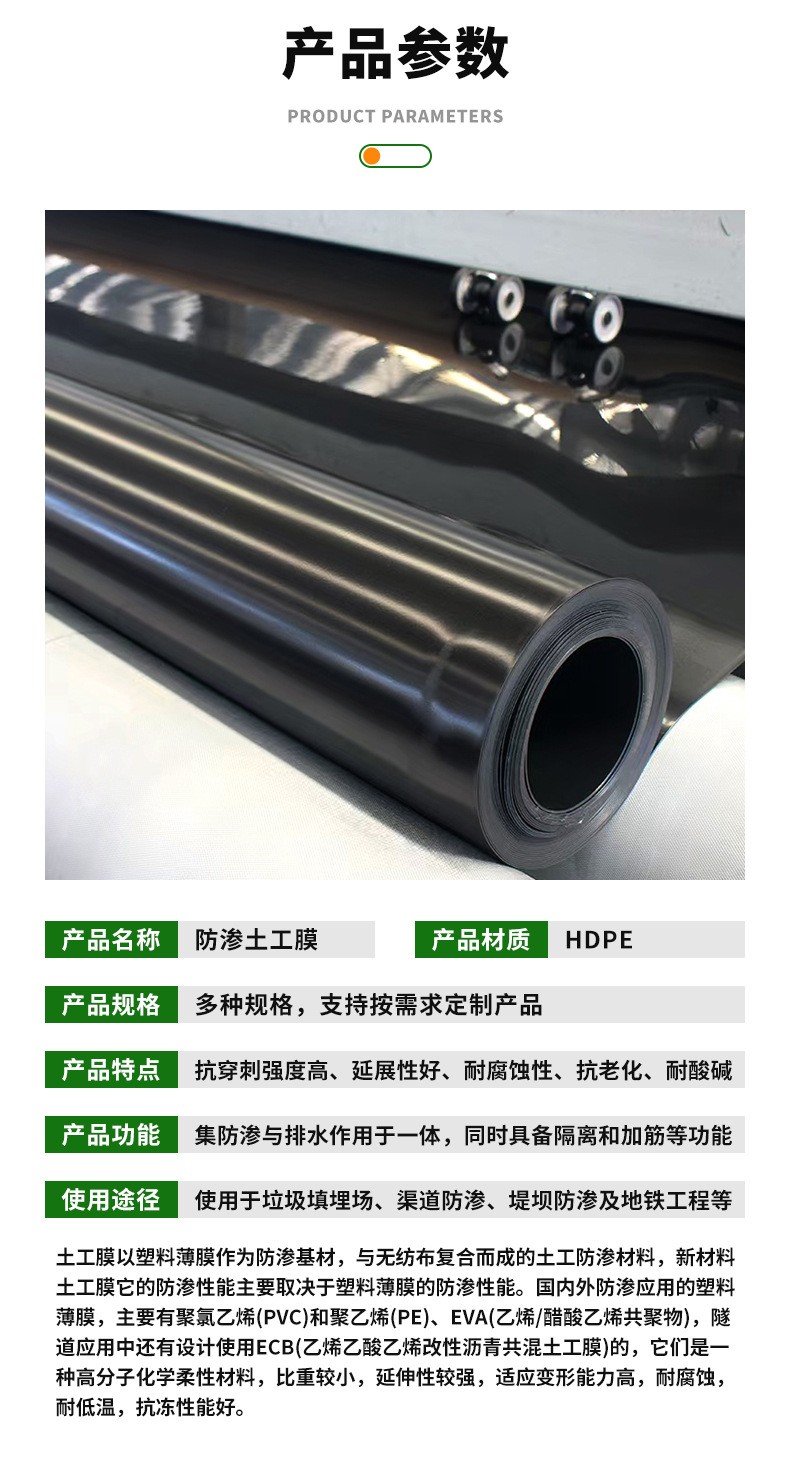
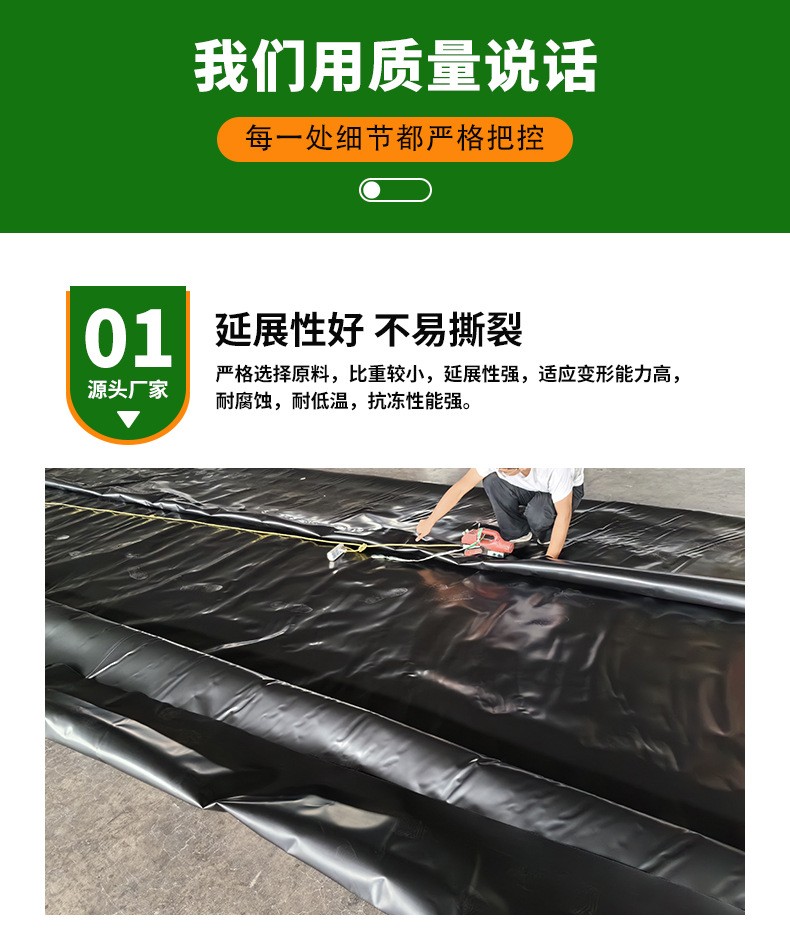
The geomembrane features high tensile strength, impact resistance,
tear resistance, and high hydrostatic pressure resistance. It also has
characteristics such as resistance to acid and alkali corrosion,
microbial invasion, ultraviolet light, and good impermeability, making
it especially suitable for use in aquaculture seepage prevention
projects. Covering the entire pond bottom with the geomembrane
completely separates the pond bottom from the water. Since the membrane
is smooth, it not only facilitates disinfection and dredging but also
helps prevent the spread of pathogens at the bottom. In the past,
aquaculture was mostly a dispersed and low-yield model. Transforming
this model into intensive, high-yield farming through scientific
planning and design is aimed at increasing production. This includes
establishing advanced water treatment systems and laying HDPE
geomembranes specifically for aquaculture.
Applications
1. Environmental Engineering: Liner for landfills, sewage treatment plants, chemical wastewater ponds, power plant regulating ponds, industrial/medical waste landfills, ash disposal sites, and evaporation ponds.
2. Petrochemical Industry: Liner for oil refinery storage tanks, oil well sludge pits, chemical reaction tanks, sedimentation tanks, tailings dams, and secondary lining for seepage prevention.
3. Chemical and Mining Industry: Liner for ash disposal sites, red mud piles, heap leaching ponds, dissolution tanks, sedimentation tanks, and tailings dams for seepage prevention.
4. Aquaculture: Liner for breeding ponds, fish ponds, shrimp ponds, sea cucumber ponds, and slope protection for seepage prevention.
5. Construction Engineering: Seepage prevention for railways, underground garages, rooftop gardens, sewage pipes, and drainage box culverts.
6. Agriculture, Forestry, and Animal Husbandry: Seepage prevention for reservoirs, water storage ponds, drinking water ponds, and irrigation systems.
7. Salt and Chemical Industry: Seepage prevention for salt crystallization ponds, brine pond covers, and salt membranes.