


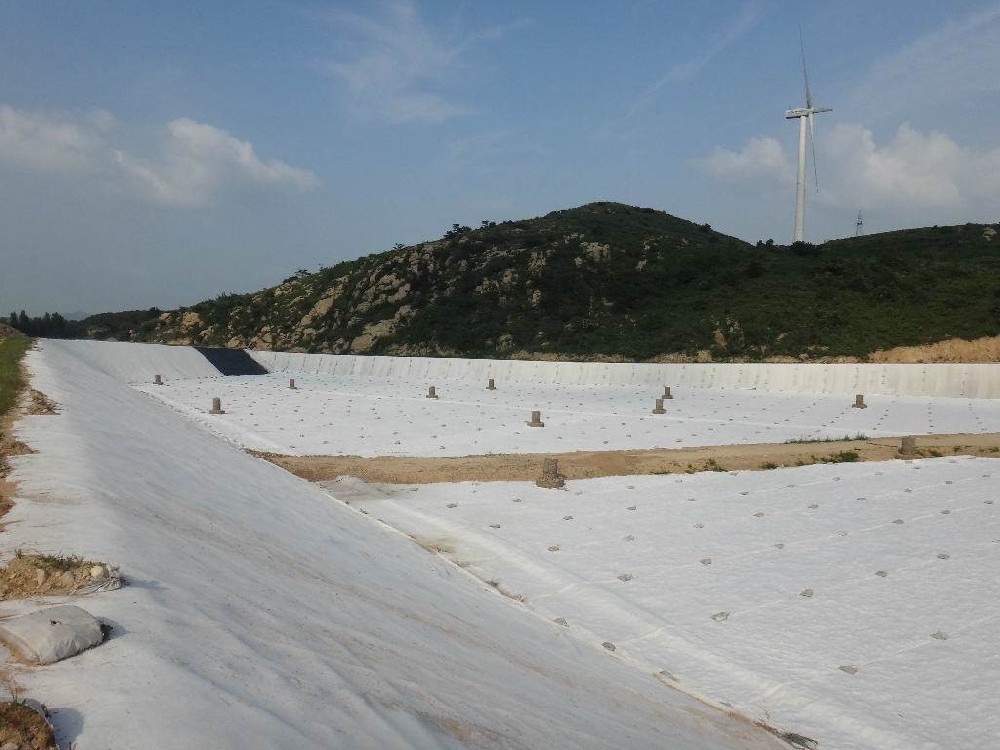
Before laying the geotextile, first apply a layer of asphalt bonding agent, with a usage of approximately 0.4-0.6 kg per square meter, then lay the geotextile, and then apply another layer of the same type of bonding oil on the geotextile, with a usage of about 0.5-0.6 kg per square meter. Attention should be paid to the following points:
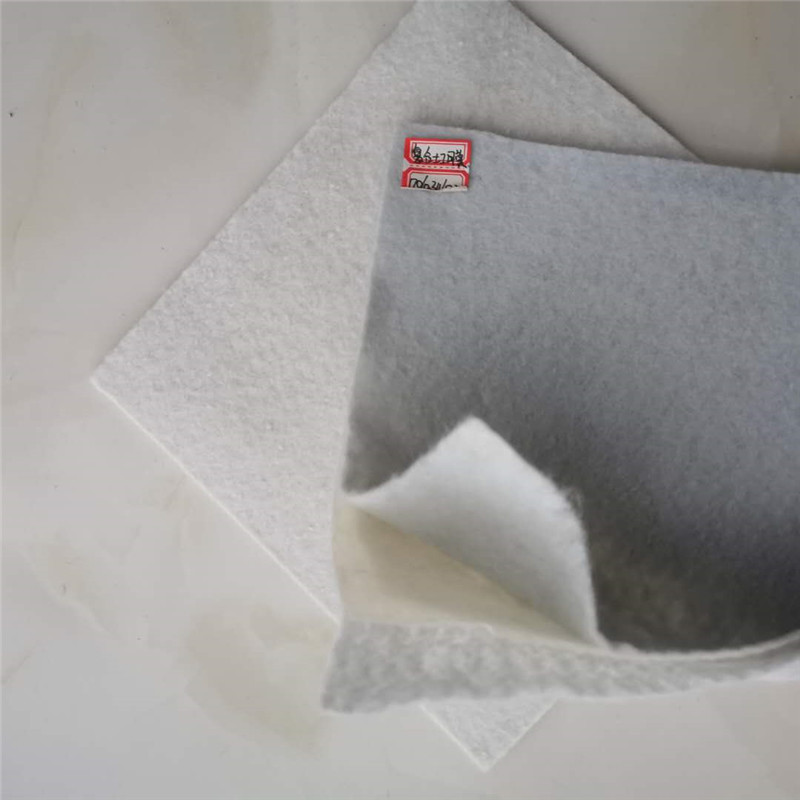
Short-fiber needle-punched geotextile is a type of nonwoven and industrial fabric. It is made from polyester crimped short fibers with a fiber fineness of 6-12 denier and a length of 54-64 mm. Through processes such as opening, blending, carding (interlacing short fibers), web formation (standardized entanglement and fixation), and needle punching using nonwoven manufacturing equipment, it is formed into a fabric. It is mainly used in railway subgrade reinforcement, road surface maintenance, gymnasiums, embankment protection, hydraulic construction isolation, tunnels, coastal mudflats, reclaimed land, and environmental protection projects.
The spraying of bonding oil should be uniform, and the measurement should be accurate.
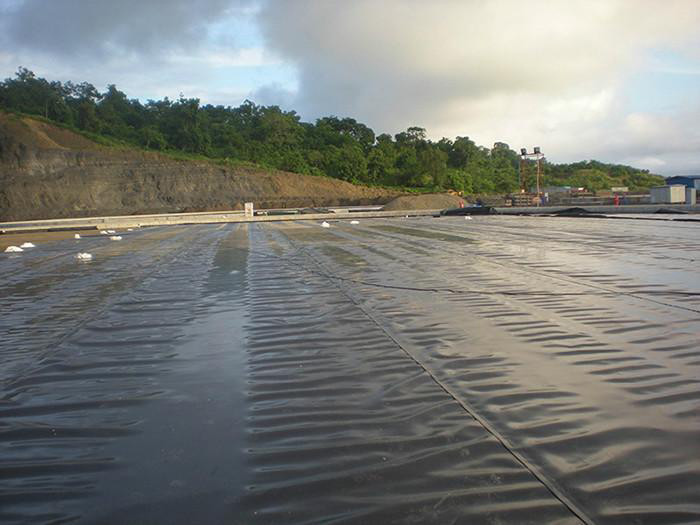
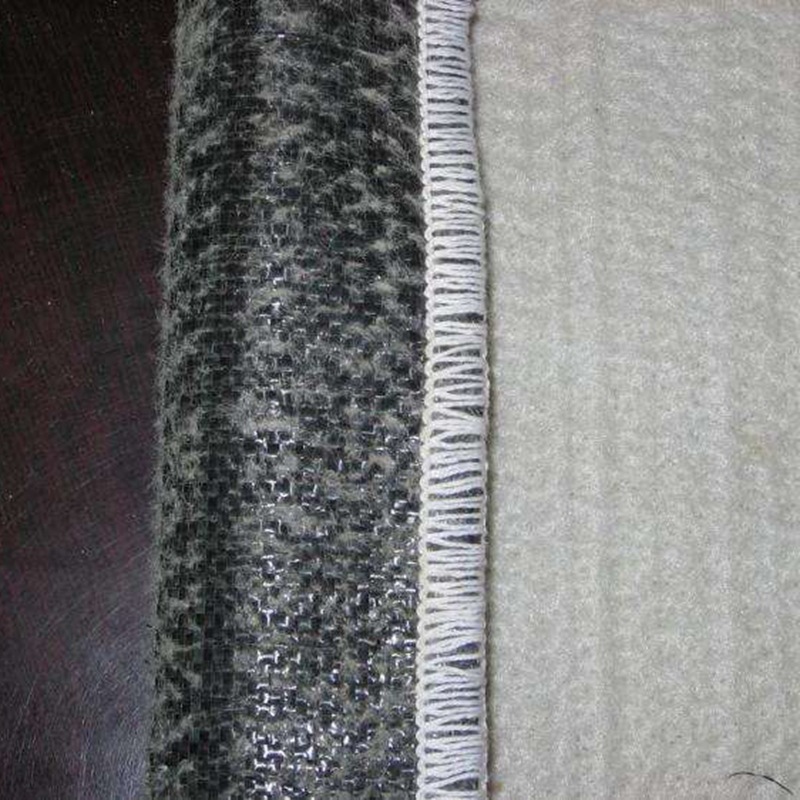
Impermeable geotextiles use plastic film as the impermeable base material combined with nonwoven fabric to form a geotechnical impermeable material, and their impermeability mainly depends on the impermeability of the plastic film.
The transverse range of sprayed bonding oil should be 5-10 cm wider than the geotextile.
Plastic films used in domestic and international seepage prevention applications are mainly polyvinyl chloride (PVC) and polyethylene (PE). They are high-molecular-weight flexible materials with relatively low density, high extensibility, high adaptability to deformation, corrosion resistance, low-temperature resistance, and good freeze-thaw performance. Their main mechanism is to block seepage channels in earth dams with the film's impermeability and to withstand water pressure and accommodate dam deformations with their high tensile strength and elongation.