


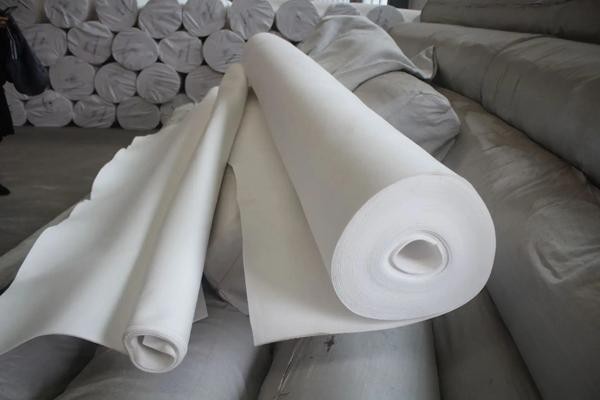
1. Before construction, the base layer of the building environment should be cleaned. If conditions allow, it can be washed with water to ensure that the base layer is free of impurities. If there are cracks in the base layer, they should be repaired with asphalt; otherwise, the later paving effect will be affected and the final use may be compromised.
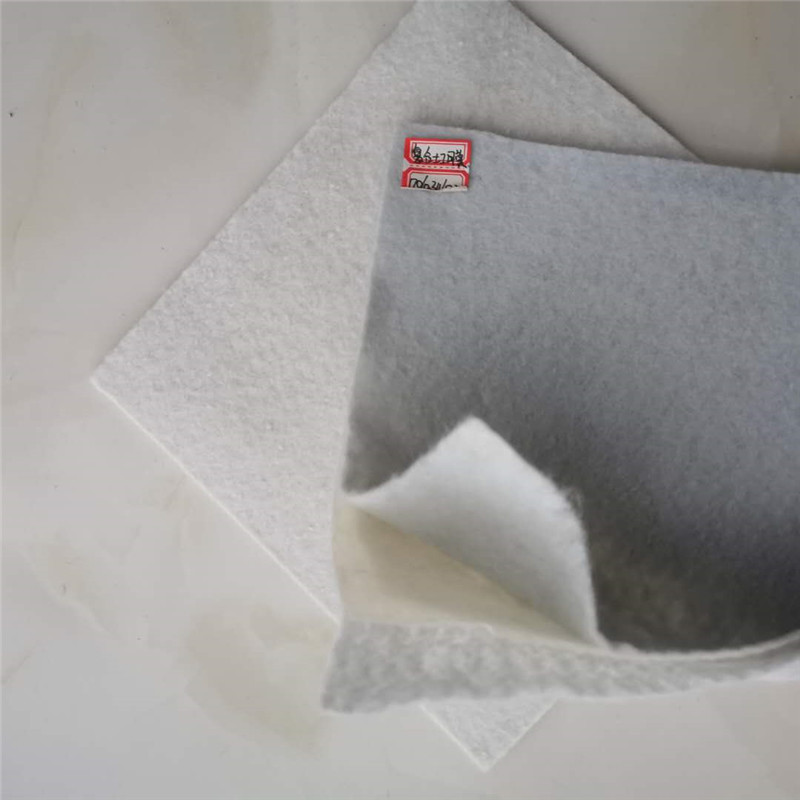
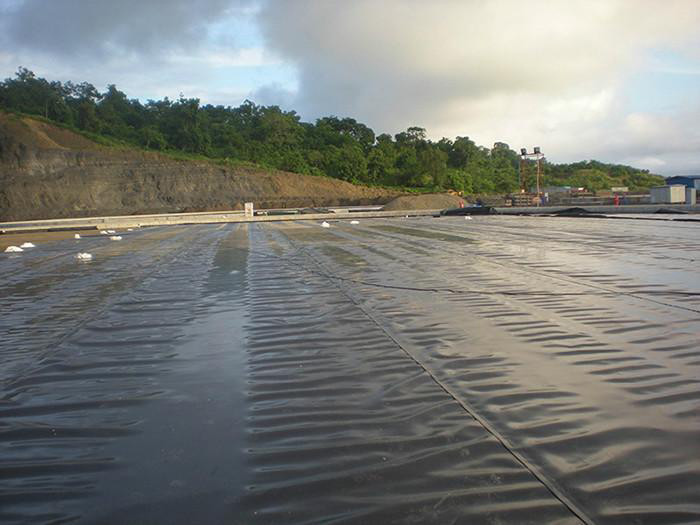
2. When paving, pull the material as much as possible, then use machinery to fix it, as this allows for a closer fit. If there is an oil layer underneath, it is best to use a roller to crush it.
3. When paving, ensure that the fabric is dry. If it gets wet from rain, the effect will be significantly reduced. If it is wet, wait until it is dry before laying it. At the same time, do not smoke during paving, as it will be more dangerous. Avoid walking on the surface layer, moving tools, or placing heavy objects on it during paving.
4. There should be a certain overlap in overlapping areas. Layer-by-layer application will yield better results. Joints can be welded to improve stability. Additionally, pay attention to the slope and corner positions. The seam length here can be moderately shortened to avoid wrinkles.
5. When laying a large area of square fabric, you can consider using fastening devices to secure the horizontal overlaps based on specific conditions.