



The aging of composite geomembranes is inseparable from their material properties. Why can't it be eliminated?
The aging of composite geomembranes is one of the inherent characteristics of polymer materials. It cannot be eliminated, but effective measures can be taken to slow down the aging process.
Measures to delay aging can be approached from two aspects:
On one hand, anti-aging agents can be added to the raw materials to inhibit the effects of external factors such as light, oxygen, and heat on the material, such as adding an appropriate amount of antioxidants, light stabilizers, and dark carbon black. Some manufacturers add anti-aging agents to polypropylene. After four years of direct sunlight exposure, the strength only decreases by 25%. Without anti-aging agents, the strength would be nearly lost after just 2–3 months of direct sunlight exposure.
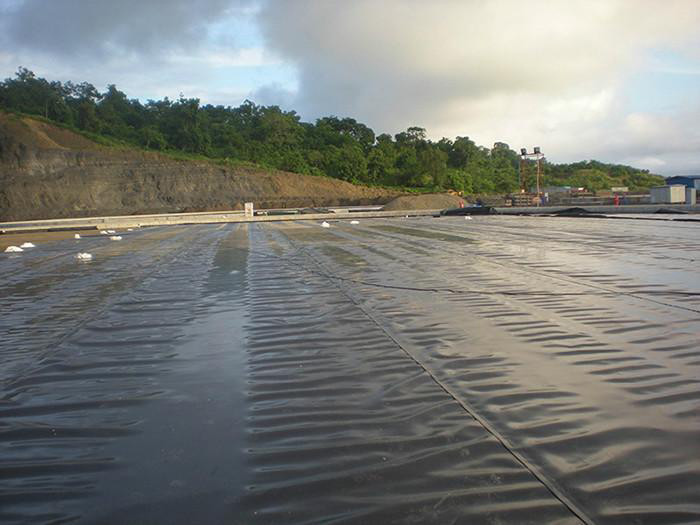
On the other hand, protective measures can be taken during engineering applications, such as minimizing the material's exposure time to sunlight, covering it with soil (at least 30 cm thick) or deep water.
Geomembranes buried in soil or water avoid direct UV exposure, greatly slowing down their aging. To prevent accelerated aging of geomembranes, soil or rigid cover materials should be added on top. Some domestic manufacturers add an appropriate amount of antioxidants and light stabilizers when producing films, claiming that the geomembrane can maintain certain mechanical properties even if directly exposed to the atmosphere for 10 years. When producing polyethylene films, carbon black can be added to block UV rays, thereby reducing direct UV radiation and extending service life. Moreover, for the same type of geomembrane, thicker membranes are more resistant to aging, while thinner ones are less durable.
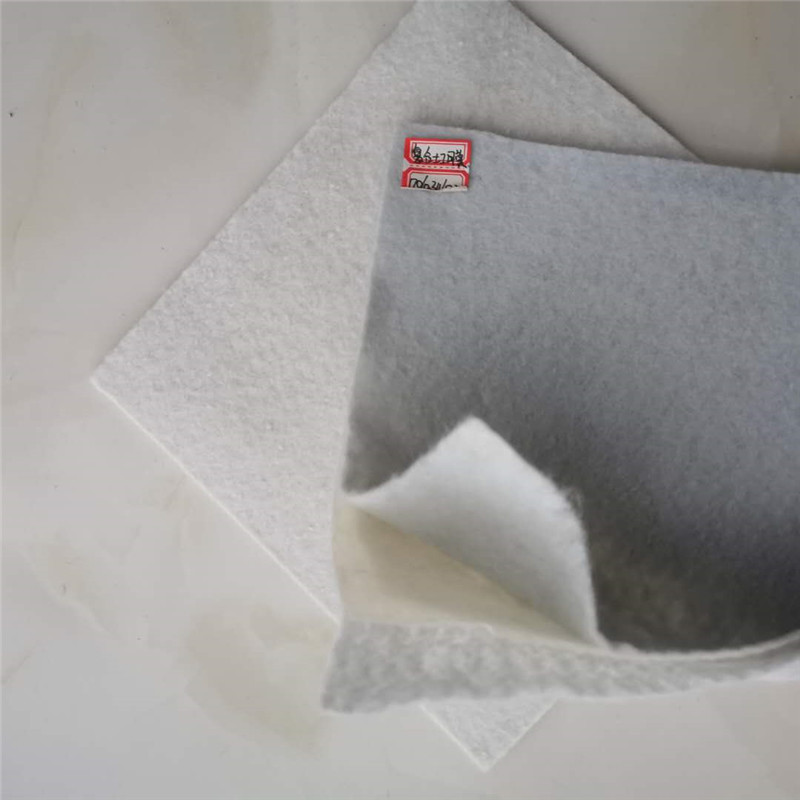
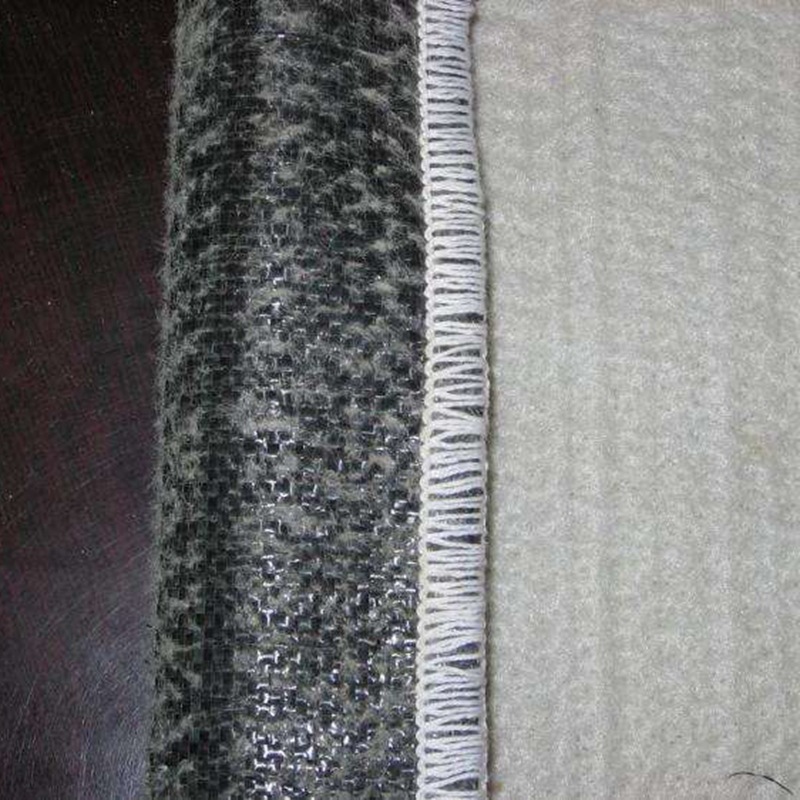
The inner membrane of composite geomembranes can be made of PVC, polyethylene, or polypropylene, while the geotextiles on both sides consist of nonwoven needle-punched fabrics made of polyamide fibers, polyester fibers, polypropylene fibers, etc.
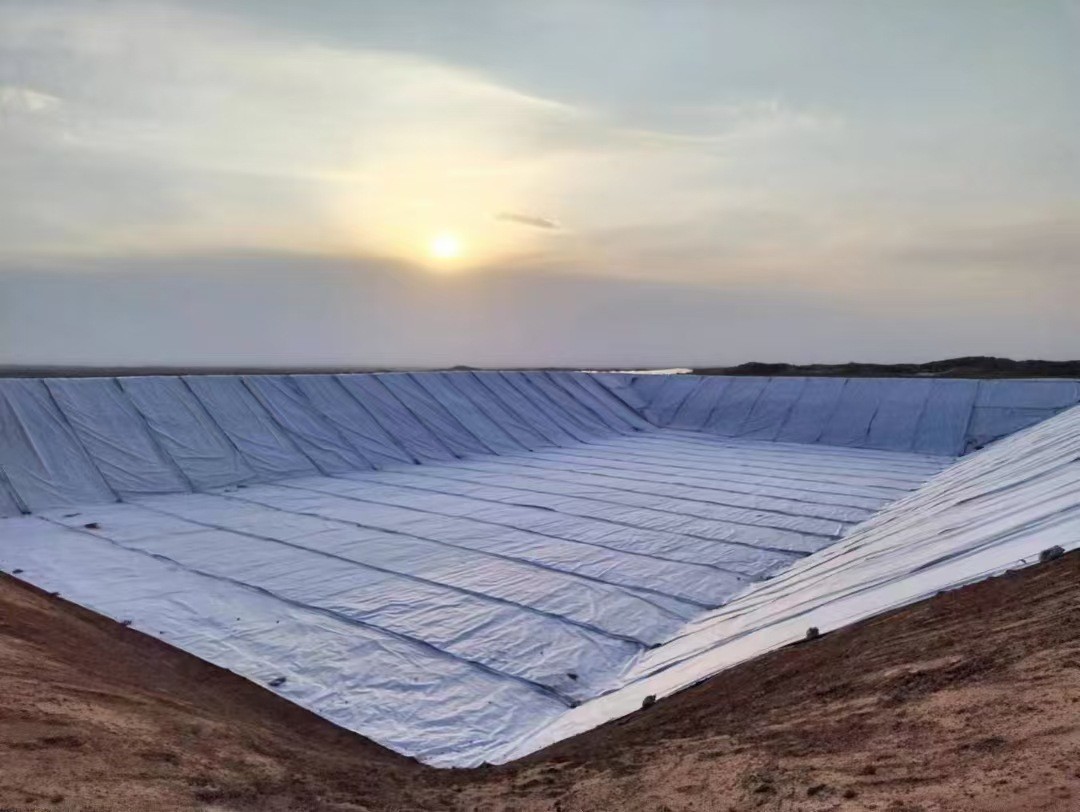
Composite geomembranes come in two types: single-sided and double-sided. If the mediums contacting both sides of the composite geomembrane consist of angular coarse materials, a double-sided composite geomembrane should be used. If one side contacts angular coarse material and the other side contacts medium-coarse sand or soil, a single-sided composite geomembrane can be selected.