
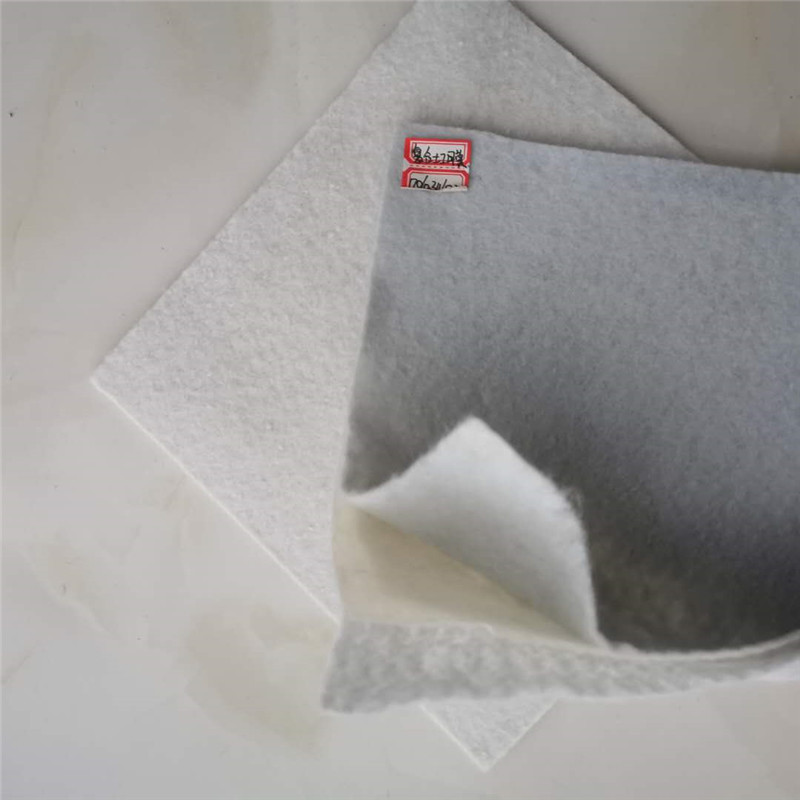


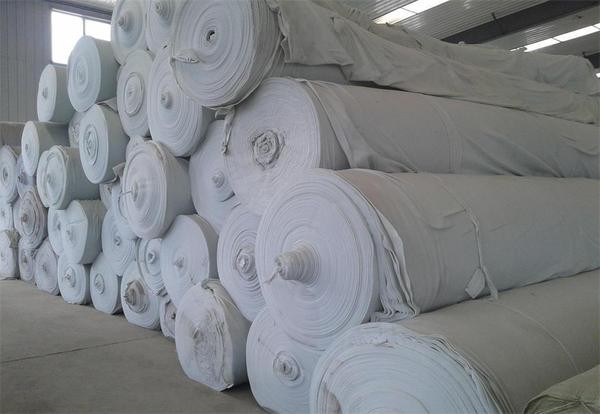
Filament geotextile is a polyester filament needle-punched nonwoven geotextile. It contains no chemical additives and is not heat-treated, making it an environmentally friendly building material.
It can replace traditional engineering materials and construction methods, making construction safer and aiding environmental protection. It provides a more economical, effective, and long-lasting solution to fundamental engineering problems.
Filament geotextile has excellent mechanical properties, good permeability, and is resistant to corrosion and aging. It serves multiple functions such as separation, filtration, drainage, protection, stabilization, and reinforcement. It can adapt to uneven subgrades, resist damage from construction forces, has low creep, and maintains its original functionality under long-term loads.
Characteristics of filament geotextile:
Strength – For the same weight specifications, its tensile strength in all directions is higher than other needle-punched nonwoven fabrics;
UV resistance – It has very high resistance to ultraviolet light;
High-temperature resistance – It can withstand temperatures up to 230°C while maintaining structural integrity and physical properties;
Permeability and plane drainage – Being thicker and needle-punched, the geotextile has good plane and vertical drainage, and maintains this performance for many years;
Creep resistance – Its creep resistance is better than other geotextiles, ensuring long-lasting performance. It is resistant to common chemical substances in soil as well as corrosion from gasoline and diesel;
Elongation – The geotextile has good elongation under certain stress, allowing it to adapt to uneven and irregular surfaces;
Technical features of filament geotextile: The geotextile is thick, ensuring a three-dimensional void structure, which is beneficial for achieving excellent hydraulic properties. Its puncture resistance is a significant advantage, making it especially suitable for reinforced retaining walls and embankments.