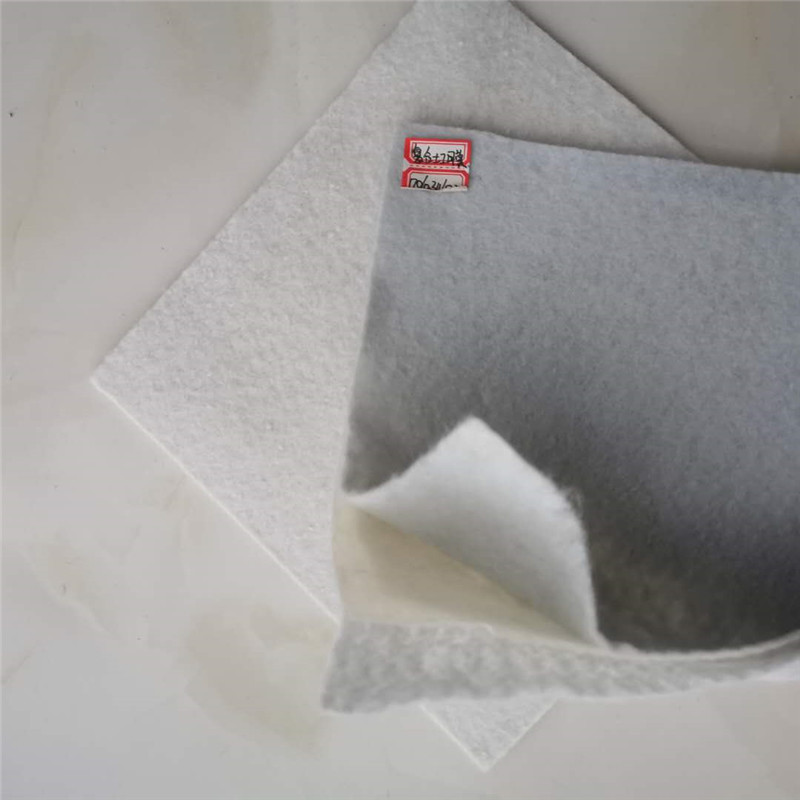

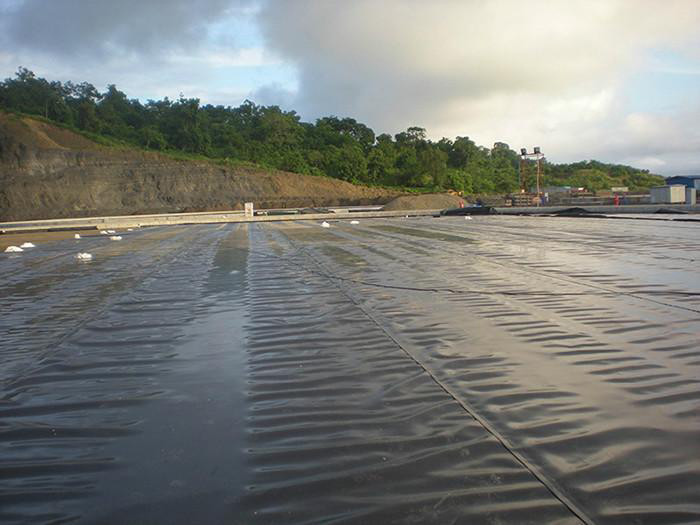
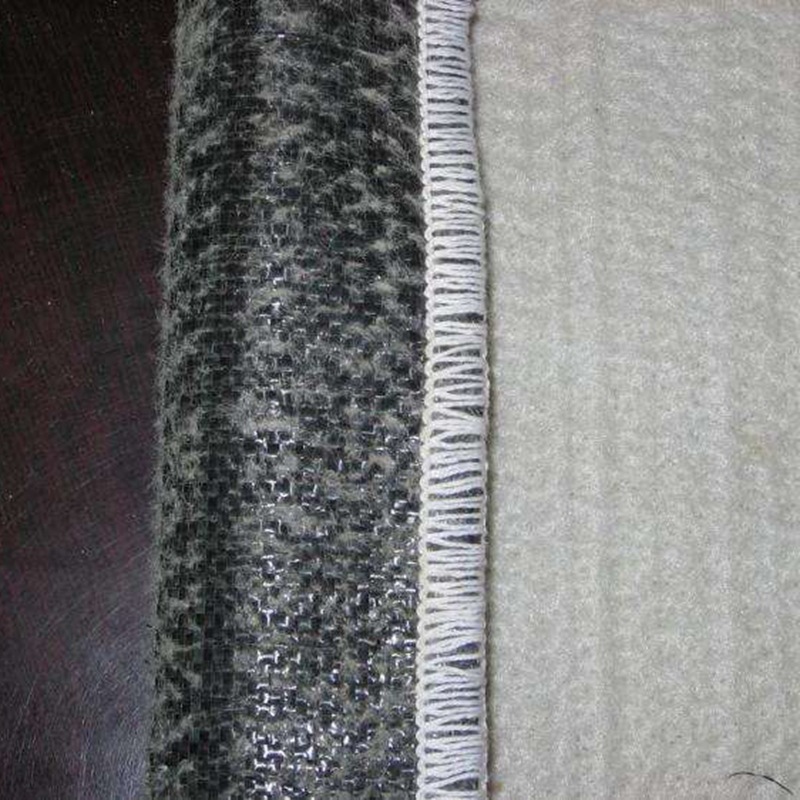

1. Before laying the composite geomembrane, the corresponding civil engineering acceptance certificates should be provided.
2. Before cutting, the dimensions of the composite geomembrane must be accurately measured and then cut according to the actual situation. Generally, it is not recommended to cut according to the dimensions shown in the drawings. Each piece should be numbered and recorded in detail using a dedicated form.
3. When laying the composite geomembrane, seam welds should be minimized. While ensuring quality, try to save raw materials. This also helps to ensure quality.
4. The lap width of membrane joints should generally be no less than 10 cm. In this way, the seam arrangement is usually parallel to the slope, i.e., aligned with the slope direction.
5. At corners and deformation sections, the joint length should be minimized as much as possible. Unless there are special requirements, seams should not be set within 1.5 m of the slope crest or stress concentration areas on slopes steeper than 1:6.
6. When laying the composite geomembrane, artificial wrinkles should be avoided. When the temperature is low, it should be tightened and smoothed as much as possible.
7. After the composite geomembrane is laid, walking on the membrane and moving tools on it should be minimized. Anything that could damage the HDPE membrane should not be placed or carried on the membrane to avoid accidental damage.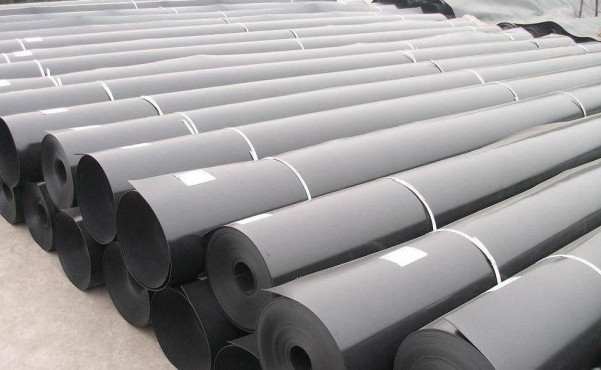 Precautions for composite geomembrane work:
1. Electrical equipment and power lines should meet the requirements of relevant professional standards.
2. During use, the power cables of hot air guns, grinders, and electric welders should be kept as far away from the working area as possible to avoid damage and electric leakage.
3. Except for hot air welding, the nozzle of the hot air gun must not touch the composite geomembrane under any circumstances and should be kept as far as possible from the membrane, people, and machinery.
4. When not in use, welding machines should not be placed directly on the composite geomembrane but should be placed on supports or sandbags.
5. After using the membrane cutter, the blade should be immediately retracted into the knife box.
6. Various temporary small tools used on-site should be promptly stored in the toolbox after use.
7. It is strictly forbidden to discard welding material picked up from the extruder welding head directly onto the geomembrane surface.
8. When working in dangerous locations such as steep slopes, safety belts and helmets must be worn.
9. Smoking is prohibited at composite geomembrane construction sites, and fire-fighting facilities should be provided. Walking on the membrane with nails or high-heeled shoes is prohibited, and any activities that may damage completed geomembrane are not allowed.

Email