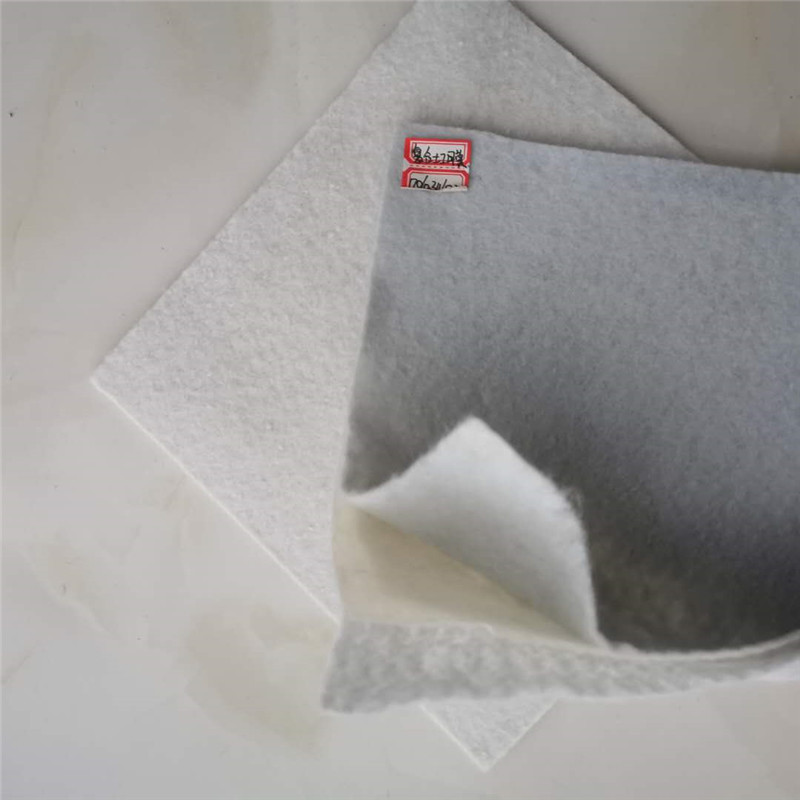

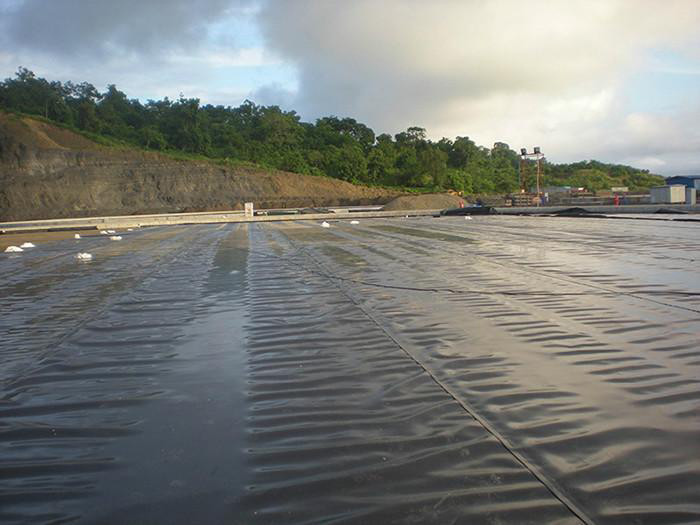
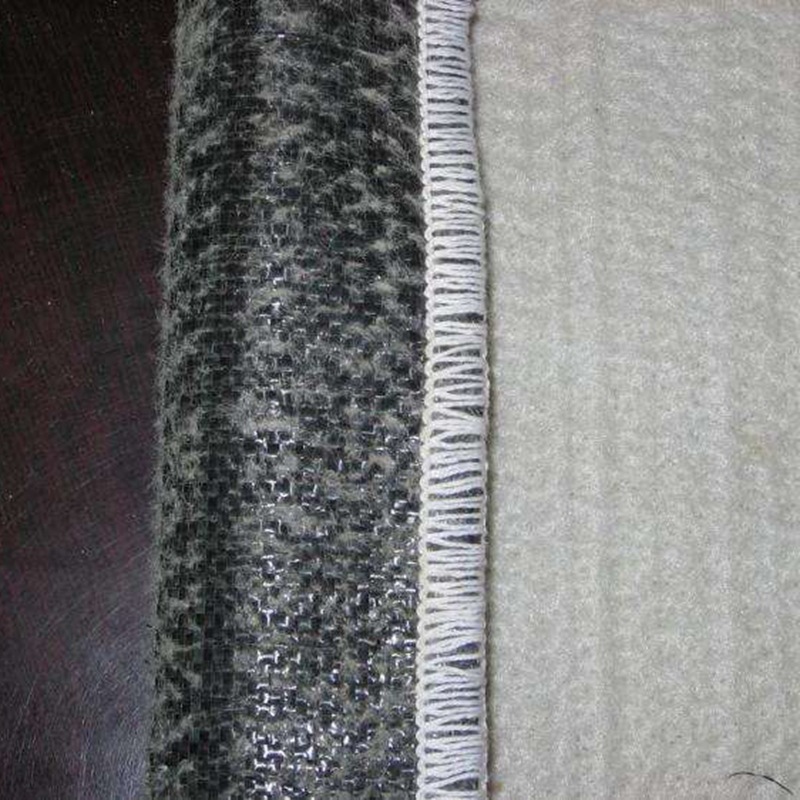

Laying composite geomembranes on newly built lotus ponds can effectively prevent the loss of water and nutrients needed by lotus during growth, help maintain the water temperature in the pond, and promote the rapid growth of lotus. Lotus tends to grow downward, and laying composite geomembranes in the pond effectively inhibits downward growth, allowing the lotus to grow horizontally, which can improve both the yield and quality of the lotus, bringing substantial benefits to growers.
It is recommended that the construction of composite geomembranes adopt a method that combines the strengths of both parties. That is, the material manufacturer should develop the construction plan and send experienced welding technicians to the site for guidance and welding work. The construction party provides labor and the necessary supporting facilities and tools for laying the composite geomembrane, cooperating with the manufacturer’s welding personnel. Together, both parties can ensure the project is well done, strictly control the welding quality, and achieve satisfactory construction results.
1. The creep of composite geomembranes is greatly affected by temperature changes, with the creep value decreasing as the ambient temperature drops.
2. Freeze-thaw cycles affect the creep performance of composite geomembranes. When the creep has stabilized under normal temperature, the creep value increases during the warming phase and decreases during the cooling phase of the freeze-thaw cycle, eventually stabilizing.
3. Based on the creep behavior at low temperatures and under freeze-thaw cycles, the concept of the freeze-thaw cycle influence factor (DR) is proposed, along with the method for calculating the low-temperature creep influence coefficient (FcR).
In recent years, aquaculture has been increasing annually, and the infrastructure for various types of aquaculture differs. The construction of the impermeable layer is closely connected to the overall interests of aquaculture. Choosing high-quality impermeable materials for this layer is crucial, as good materials not only enhance the quality of aquaculture but also prevent the loss of water and nutrients, protecting the economic interests of aquaculture operators. Composite geomembranes are high-quality impermeable materials that are durable and particularly suitable for constructing impermeable layers in aquaculture. Choosing composite geomembranes for aquaculture construction is essentially choosing to safeguard the economic interests of aquaculture operators.

Email