


Design of Biogas Slurry Pond and Requirements for Selecting Composite Membranes
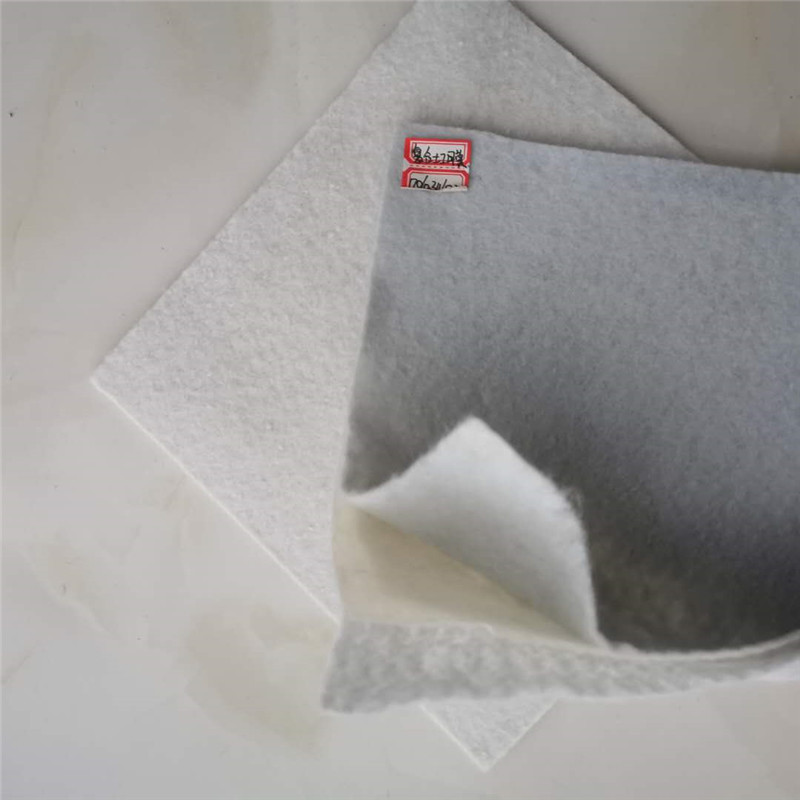
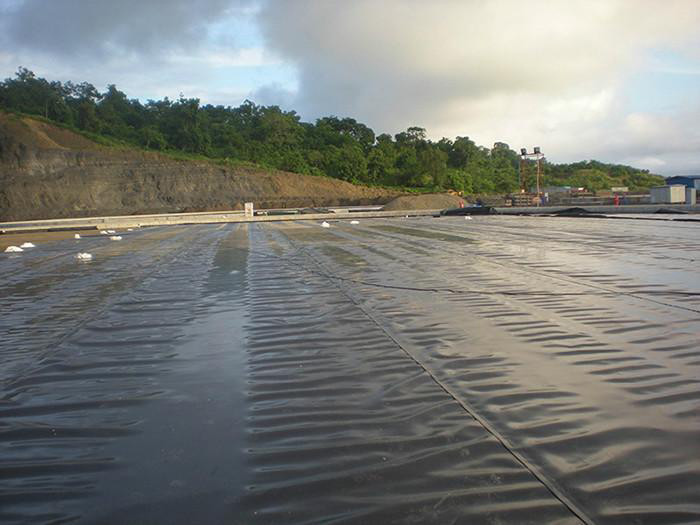
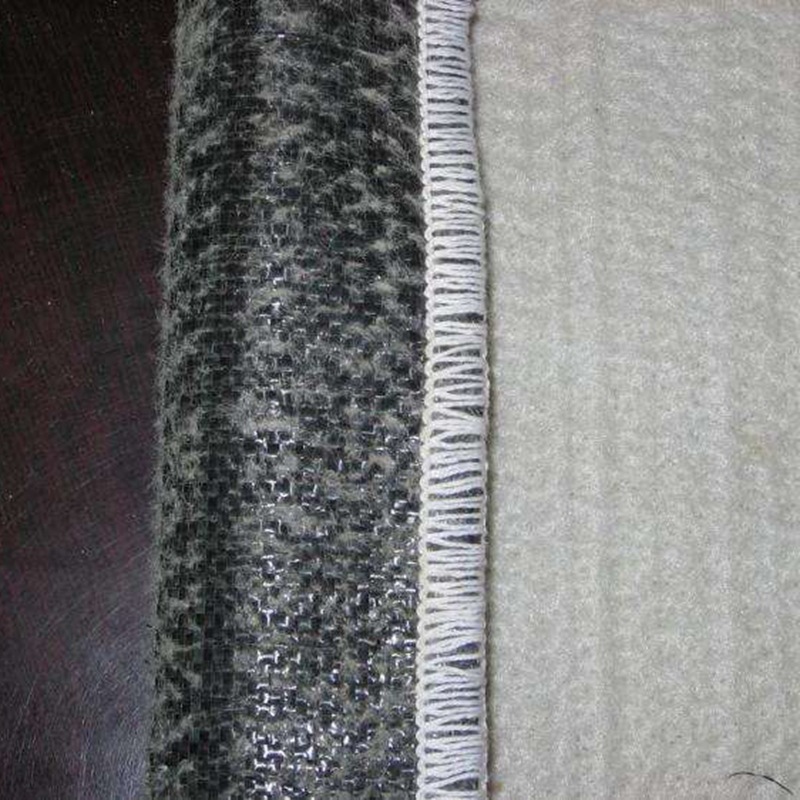
The pond structure must have good impermeability to prevent contamination of groundwater. The biogas slurry pond has a simple structure, no special process openings, and a relatively large inner surface area. The soil conditions at the construction site are relatively uniform, and there are few sharp debris such as broken bricks, which meets the requirements for laying impermeable membranes. Considering the overall project requirements, project conditions, and site characteristics, composite membranes with a thickness of over 0.75 mm are selected. To reduce welding seams and the construction cycle, a width greater than 6 meters should be chosen. The laying area of the pond considers the edge overhang (1 meter along the side walls) and includes a 7% allowance (for anchoring, overlapping, and welding repairs). After the construction of the biogas slurry pond is completed, water approximately 0.8 meters deep should be added as early as possible to protect the composite membrane from sun exposure and extend its service life, especially during strong summer sunlight. This is particularly important for open ponds without protective layers at the bottom.
For the livestock industry, the biogas slurry pond is the main structure for wastewater treatment on farms, primarily for storing and naturally treating the large amount of cleaning water discharged daily from milking halls. The pond uses composite geomembranes for waterproofing, which, compared to traditional reinforced concrete natural waterproof methods, offers advantages such as faster construction and lower cost.
When using composite membranes, we also note other advantages of this product: easy construction—once the pond is excavated and leveled appropriately, no concrete base layer is required; fast construction—there is no curing time needed as with structural concrete; resistance to foundation deformation—due to the good tensile elongation of the composite membrane, it can resist foundation settlement or deformation; effective performance; easy restoration—after use, the pond can return to its original state simply by removing the membrane during backfilling.
During construction, relevant personnel should establish effective measures for protecting the composite membrane: during welding, adjust and control the welding machine's temperature and speed in real-time to avoid damage from excessive heat or defects such as incomplete or missed welds; the welding machine's working temperature should ideally be 180–200°C, and the welding speed should be controlled at approximately 3 meters per minute; prior to welding, remove grease, moisture, dust, and other debris from the membrane; once the membrane is properly laid and welded, a protective layer should be promptly filled, and the speed of filling should match the laying speed of the composite membrane.