
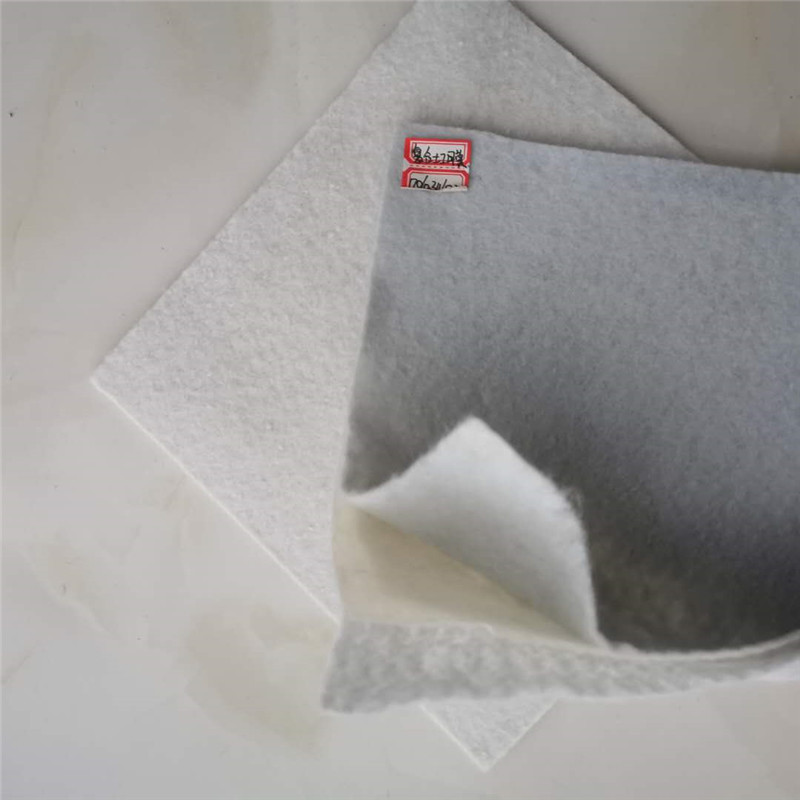


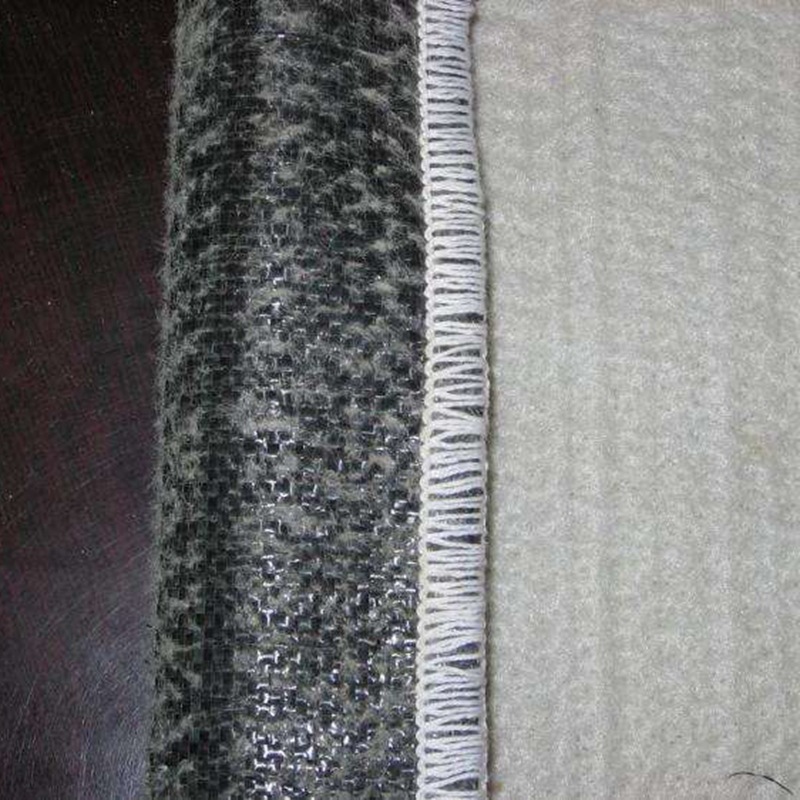

Cement mats have compressive strength, and their compressive performance and structural characteristics allow them to withstand significant pressure. A detailed analysis is as follows:
Clear Compressive Strength Parameters
The compressive strength of cement mats typically ranges from 20-50 MPa, with some specialized products (such as acid-resistant cement mats) reaching up to 45 MPa. According to concrete strength grade classification standards, their compressive strength corresponds to grade C25-C50, meaning the minimum compressive strength is 25 MPa, and the maximum can reach 50 MPa. This range indicates that the compressive performance of cement mats meets or exceeds the strength standards of ordinary concrete, making it suitable for most engineering applications. For example, in scenarios such as road paving and industrial flooring, which need to bear the heavy load of vehicles or equipment, their strength ensures structural stability.
Composite Structure Distributes Stress
The compressive strength of cement mats comes from their unique composite structure. They are composed of a fiber framework combined with cement-based materials, where the fiber layer provides flexibility and tensile strength, while the cement component gives rigidity. When a cement mat is under pressure, the fiber network distributes stress uniformly across the material through elastic deformation, preventing localized stress concentration that could cause cracking or damage. This structural feature allows the mat to maintain integrity under both dynamic loads (such as vehicle vibrations) and static loads (like equipment stacking), significantly outperforming ordinary concrete made from a single material.
Stable Performance in Heavy Load Scenarios
High compressive strength gives cement mats a significant advantage in heavy load conditions. For example, in ports, warehouses, and other areas that frequently bear heavy machinery or stacked goods, cement mats can be designed by adjusting thickness and fiber ratios to further increase compressive strength to C50 (50 MPa), ensuring long-term stability. Furthermore, their lightweight characteristics (compared to traditional concrete) reduce transportation and construction costs, expanding their application range.
Performance Assurance and Standards
The compressive performance of cement mats is guaranteed through a strict quality control system. During production, parameters such as the ratio of fibers to cement-based materials and the curing process must comply with industry standards to ensure consistent strength of the final product. Some products are also certified by third-party testing agencies, and their compressive strength data can serve as a reliable reference for engineering design.

Email