

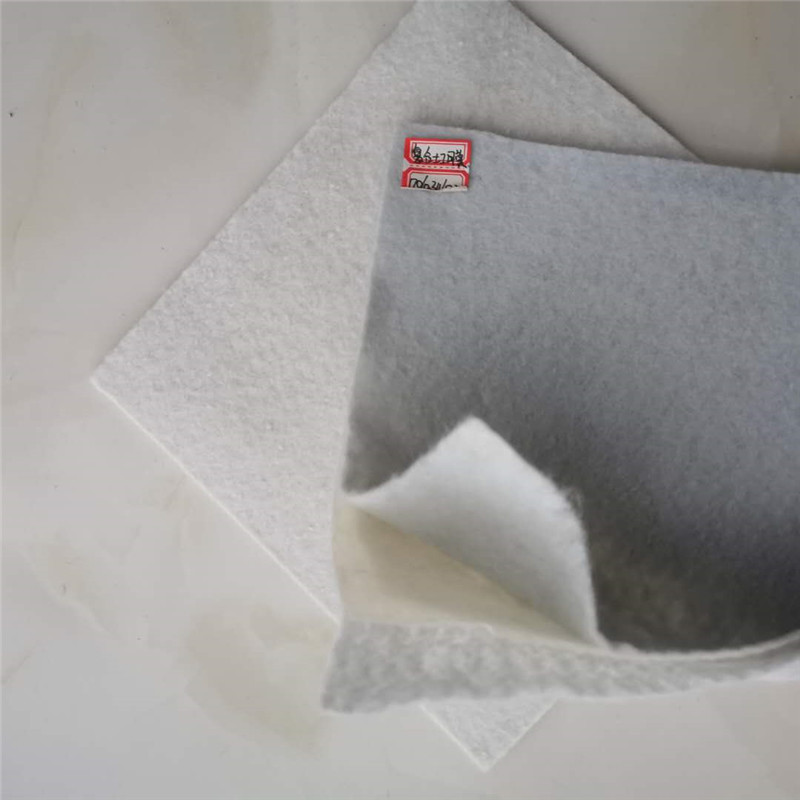

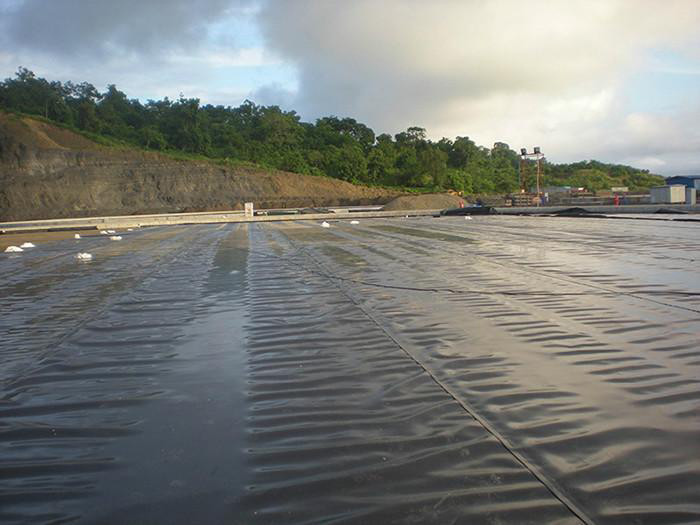
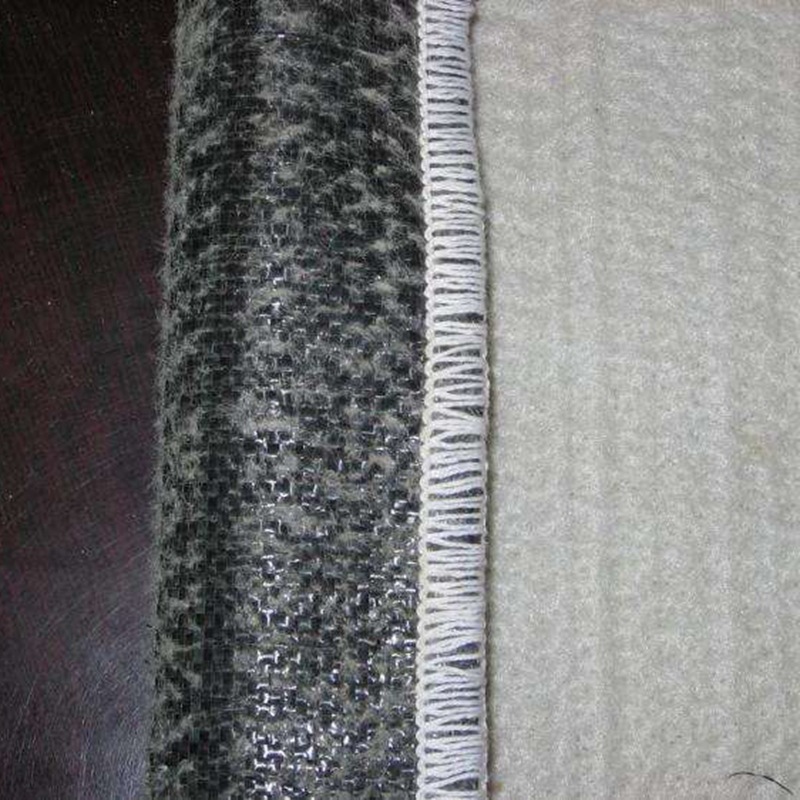

Green Geotextile mainly used to maintain the integrity of geotextiles in the center, their impermeability is generally used for controlling artificial lakes and landscape lakes. The main factors affecting the durability of geotextiles.
Green geotextiles are made of a plastic film waterproof substrate combined with nonwoven fabric, which serves as the impermeable material of the geotextile. Its impermeability mainly depends on the waterproof performance of the plastic film. The main mechanism of geotextiles is the seepage prevention of plastic film in dam seepage channels, with high tensile strength and elongation to withstand water pressure and adapt to dam deformation; the appearance of packaged geotextiles, welding quality, T-shaped welding, and base debris should be carefully inspected. All construction personnel must implement this work throughout the construction process. The tightness of all seams, except for testing purposes, must be ensured.
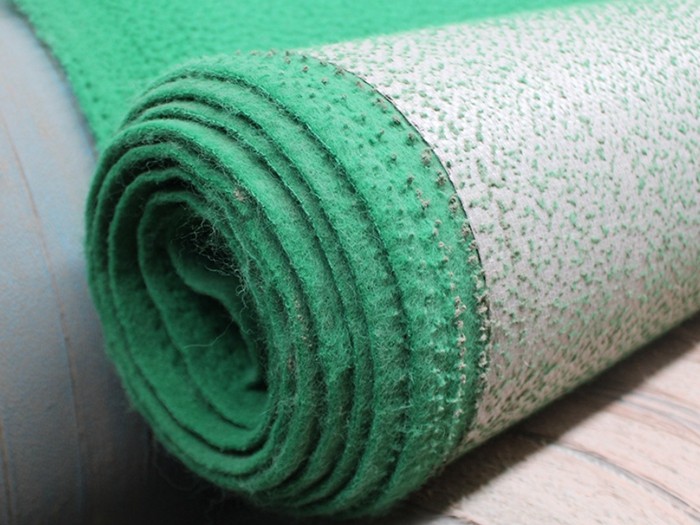
It greatly reduces dust pollution, beautifies the surrounding areas, and the use of green geotextiles that meet environmental protection requirements can transform originally heavily polluted farm sites into very beautiful green workspaces, thereby achieving the goal of controlling dust pollution. Influenced by domestic environmental protection policies, most construction companies use green geotextiles.
Features of Green Geotextiles
Green geotextiles are lightweight, low-cost, corrosion-resistant, and function as separation, filtration, drainage, and reinforcement materials.
They have good resistance to microorganisms and are unaffected by insects. Green geotextiles are corrosion-resistant and can withstand long-term corrosion in soils and water of different pH values. They are easy to construct, lightweight, flexible, and convenient to carry, lay, and install. The width of green geotextiles can reach up to 6 meters, with a unit area weight of 100g-600g per square meter.
Applicable Scope of Green Geotextiles
Environmental engineering: various landfills, industrial waste sites in chemical plants, etc. Water conservancy engineering: sea dikes, riverbanks, shoreline protection, reservoir reinforcement, surrounding reclamation projects, flood control structures. Highways, railways, and airport projects; soft foundation reinforcement, filtration materials for soil separation, drainage materials for reservoirs and mine processing, drainage materials for high-rise building foundations, anti-erosion materials for riverbanks and slopes.
Polyester staple fiber needle-punched geotextiles have good water-conducting performance, forming green geotextile channels in and around soil structures to remove excess liquids. When water flows from coarse soil to rough soil, the use of polyester staple fibers allows water to pass through the geotextile due to its good permeability and water conductivity, while effectively carrying soil particles, fine sand, small stones, etc., to maintain the stability of water and soil engineering.