


Changes in Market Demand: Year-End Rush Supports Rigid Demand, With Clear Structural Differentiation
(1) Core Demand Scenarios Released in an Orderly Manner
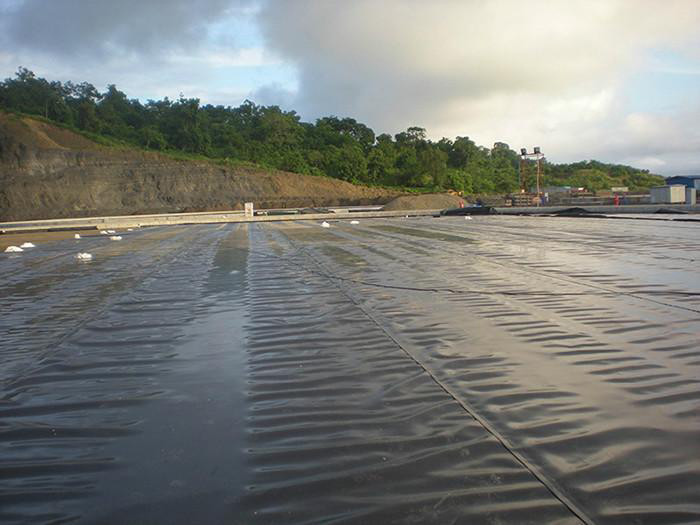
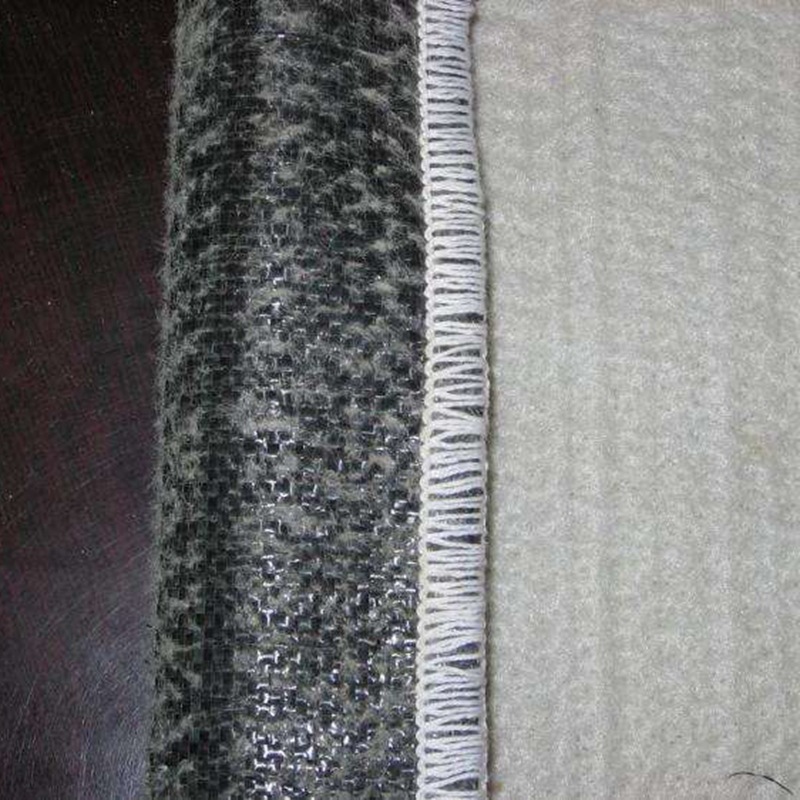
1. Year-End Push in Infrastructure Driving Demand: December, being the critical period for project wrap-ups, sees major domestic infrastructure projects in transportation, water conservancy, and other sectors entering concentrated construction phases. Projects such as the Jianghuai Water Diversion and Zhaoming Expressway are accelerating progress, directly boosting demand for core products like geogrids (for subgrade reinforcement), composite geomembranes (for seepage control), and drainage nets. According to industry circulation data, monthly consumption of geosynthetics in the transportation sector increased by 10%-15% year-on-year. Among them, ultra-wide geomembranes, which reduce welding seams and improve construction efficiency, have seen a further increase in procurement share for large reservoir and expressway subgrade projects, becoming a highlight in the demand growth.
2. Steady Expansion of Niche Scenario Demand: In the field of ecological restoration, projects such as mine reclamation and river management continue to advance, with the combined use of biodegradable ecological bags and steel-plastic composite geogrids becoming the mainstream solution. Demand for these environmentally friendly, functional products has grown 18%-20% year-on-year. In northern regions, winter construction schedules drive demand for cold-resistant geocells and epoxy-coated steel-plastic geogrids for frozen subgrade reinforcement projects, with orders showing a month-on-month increase. In the new infrastructure sector, projects such as underground utility tunnels and sponge city construction maintain stable demand for reinforced permeable geosynthetics, effectively supplementing traditional infrastructure demand.
3. Continuous Expansion of International Markets: Demand remains strong for mining and water conservancy projects in Middle Eastern and African regions along the Belt and Road. Domestic companies are expanding markets by participating in overseas exhibitions and cooperating with local traders. The ongoing tariff reduction benefits under the RCEP agreement continue to stimulate demand in ASEAN markets, with the import of geotextiles and geogrids increasing 8%-12% month-on-month, becoming a key source of export growth.
(2) Regional Demand Distribution Characteristics
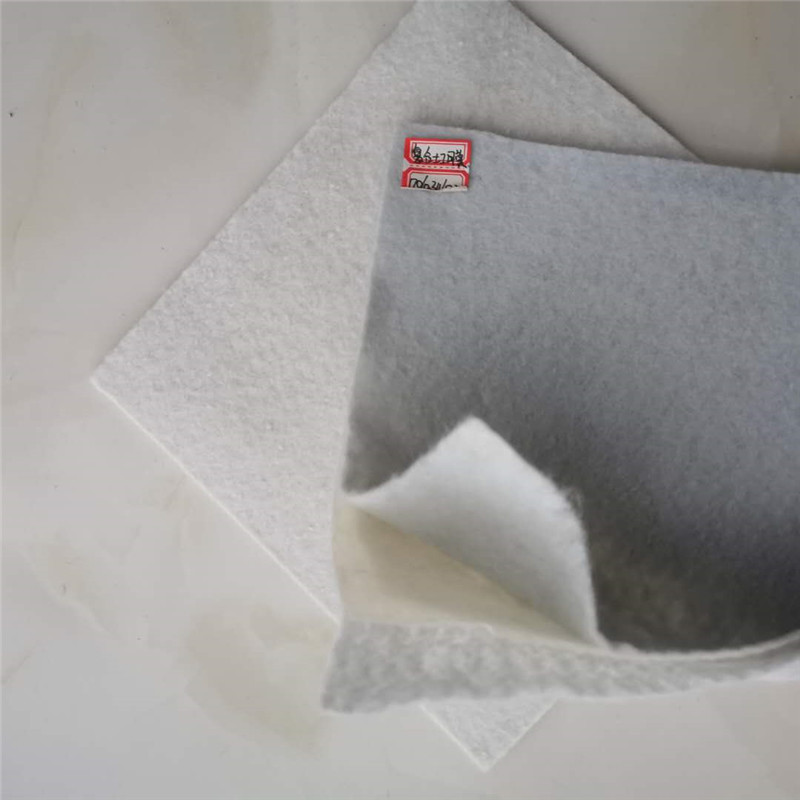
East and South China: With the overlap of infrastructure rush and new infrastructure projects, demand is concentrated on composite geomembranes and high-strength geotextiles, accounting for 35%-40% of national demand. The market price for 250g/m² spunbond geotextiles is concentrated between 1.05-1.40 RMB/㎡, within the conventional industry range.
Northern China: Demand is centered on cold-region projects, making cold-resistant geocells and epoxy-coated steel-plastic geogrids essential products. Prices are moderately higher than ordinary products, mainly due to material modification and production process adjustments.
Central and Western China: High-standard farmland and ecological restoration projects are being rolled out in an orderly manner, with geogrids and ecological bags growing faster than the national average. The regional market is dominated by cost-effective products.

Email