

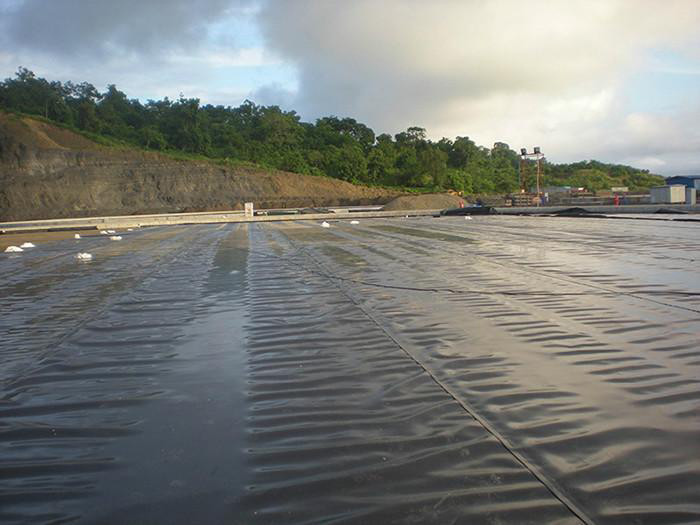

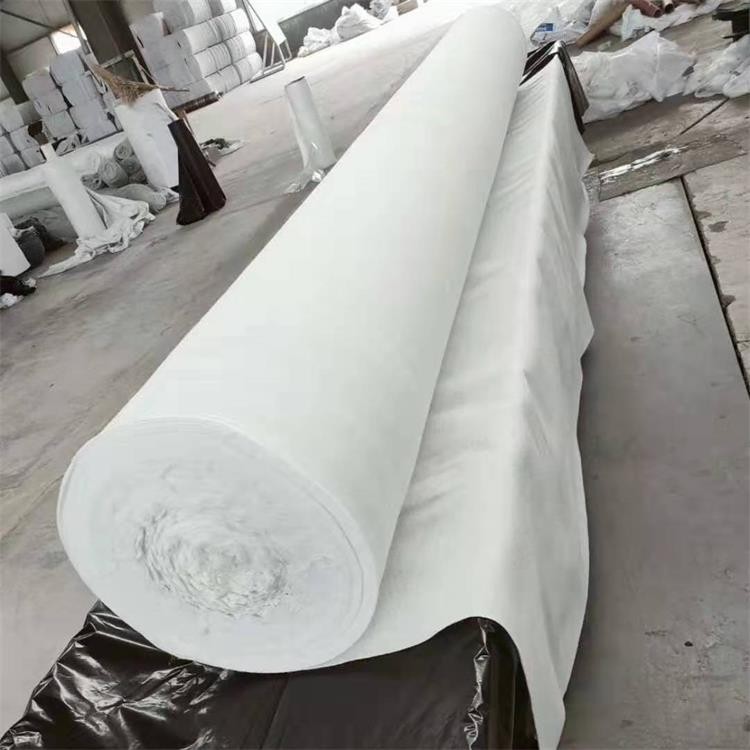
Based on the current situation of seepage in irrigation district channels and the main reasons for the decline in the water utilization coefficient of the canal system, after a comprehensive comparative analysis from technical, economic, construction, and post-operation maintenance perspectives, it was decided to use composite geomembrane impermeable materials to reinforce and repair channel seepage and save water. The application of composite geomembranes in rural channel impermeable projects is significant for reinforcing and repairing channels to prevent seepage and save water. As the main carrier of water for rural production, domestic use, and livestock drinking, the safety, reliability, energy efficiency, and economic efficiency of channel operation are particularly important.
Due to the combined constraints of construction environment, investment funds, design concepts, and other factors, most rural channels directly use open channels for water distribution. According to some statistical data, the actual water distribution efficiency of rural channels in China is relatively low, with about 90% of channels having a water utilization coefficient below 50%, and some even around 10%. Damage to projects, disorderly management, and reckless excavation and use result in significant water resource loss and waste during water distribution, directly affecting the safety, economic efficiency, and sustainable development of the waterways. Therefore, in line with the actual engineering situation, adopting effective impermeable reinforcement measures to improve channel impermeability performance and operational economic benefits and ensure the reasonable use of limited water resources is an important embodiment of rural "beneficial projects." The aging and damage of canal structures, impermeable materials, and electromechanical equipment seriously affect the continuous stability and energy-saving economy of water delivery, causing a continuous decline in irrigation efficiency and a further reduction in the irrigated area. Consequently, farmers compete for water, engage in reckless excavation and diversion, and refuse to follow allocation rules during irrigation periods, resulting in significant social impacts. Combining the current situation of channel seepage in irrigation districts and the main reasons for the decline in water utilization coefficients, and after a comprehensive analysis from technical, economic, construction, and post-operation maintenance aspects, it was decided to use composite geomembrane impermeable materials to reinforce and repair channel seepage and save water.
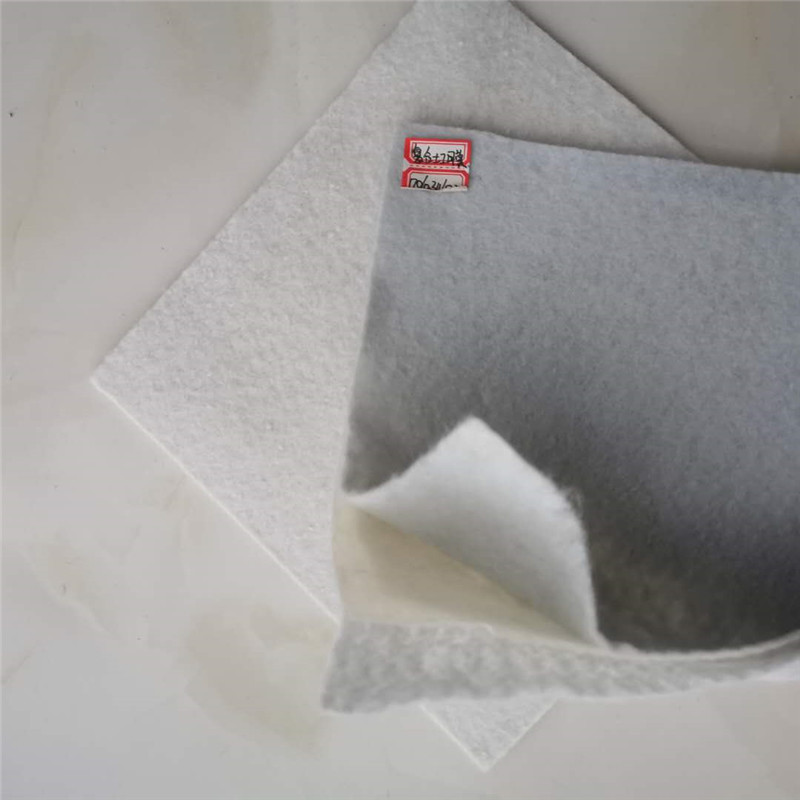
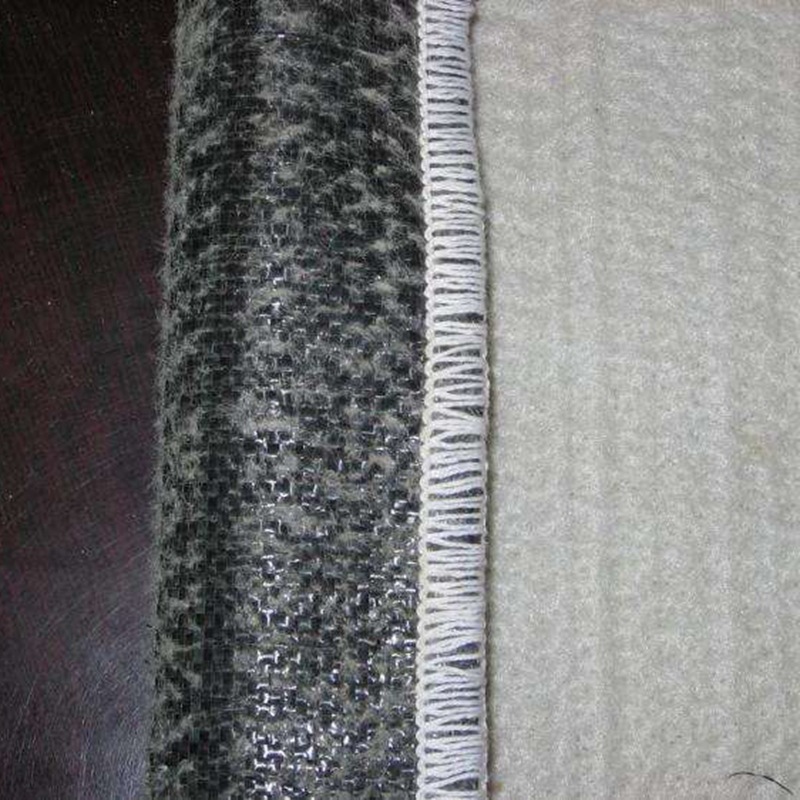
As a new type of geotechnical material, composite geomembranes have excellent impermeability and corrosion resistance, good chemical stability, and can be processed or customized according to the requirements of actual engineering projects. Geomembranes have been widely used for impervious purposes in dam and reservoir projects and are also used in channels, reservoirs, sewage tanks, swimming pools, house construction, open-air structures, landfills, and environmental projects for impermeability, corrosion resistance, leakage prevention, and moisture resistance. Good raw materials are essential for producing high-quality products, and this is true for all products, including composite geomembranes.