
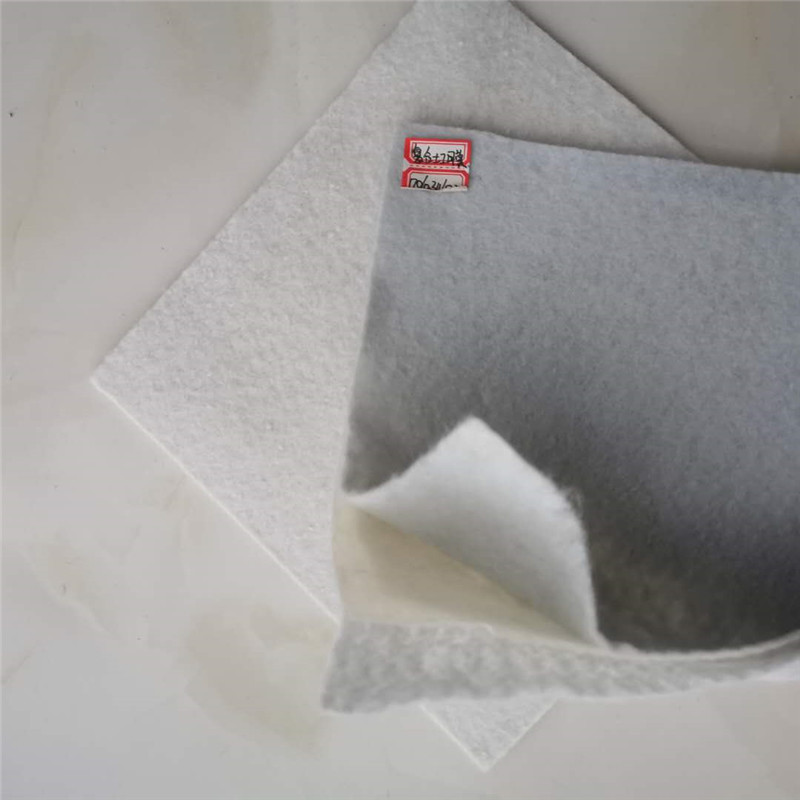

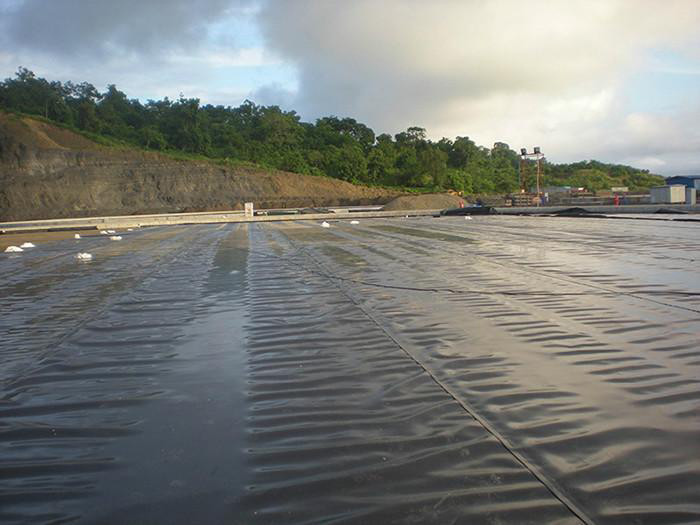
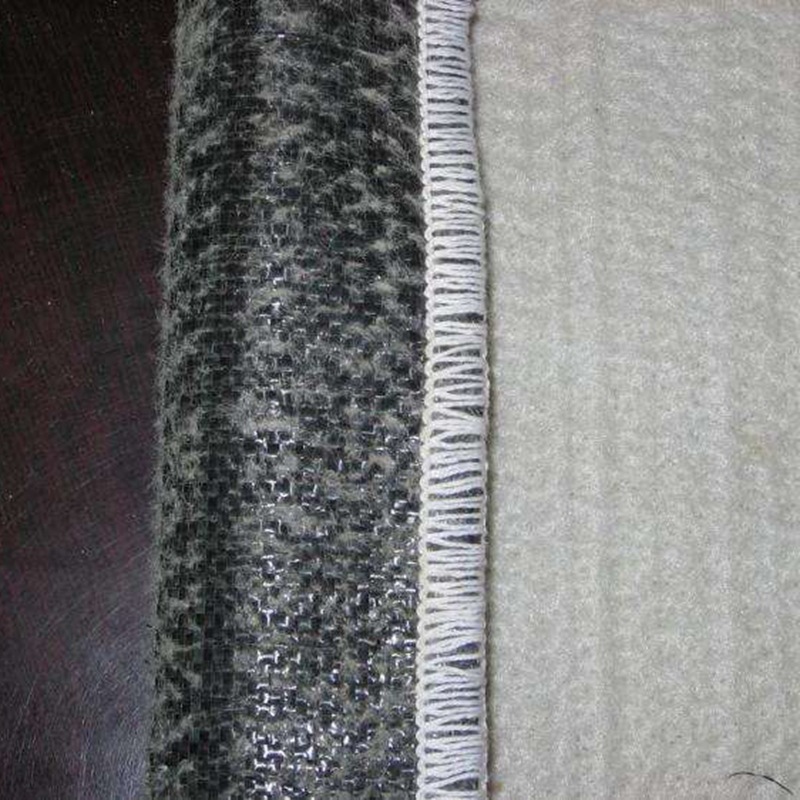

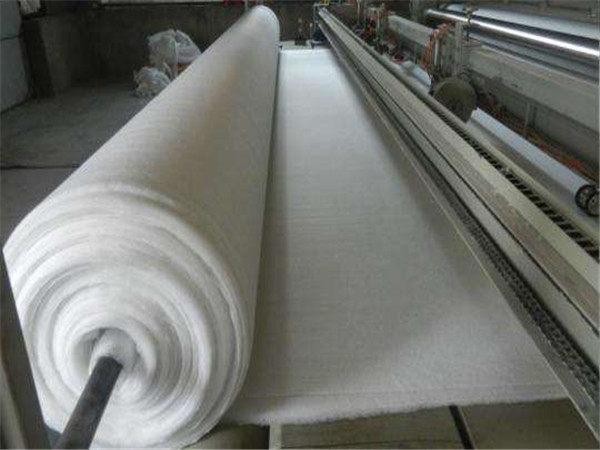
Because the net weight of green geotextile ranges from 300 grams to 1500 grams per square meter, all of this is customized according to customer requirements or different construction projects. The standard size is 6 meters by 50 meters per roll, 300 square meters per roll, but it can also be customized according to customer requirements. In the production of moisture-proof geotextiles, every corner of approximately 1 pound per square meter per roll must be trimmed. I think it can be said that there is a 20 cm overlap for reinforcing steel edges. Those with a net weight under 1 pound should not weld the edges with electric welding; instead, fiber laser cutting should be used. Because the geotextile in the middle is too thin, it is very important to connect the fiber laser-cut edges with a non-woven geotextile weld.
Green geotextile is part of the geosynthetic composite family and is widely used in roads, high-speed railway lines, water conservancy and hydropower projects, large, medium, and small construction projects, power plant ash dam infrastructure, non-ferrous metal tailings treatment, environmental machinery projects, environmental protection monitoring, and more.
Construction site workers’ shoes and general construction equipment should not damage non-woven geotextiles, and no actions should be taken on already-installed non-woven geotextiles on the site, such as using sharp tools to cut or puncture the fabric.
Non-woven geotextiles are made from polymer polyester short fibers using a needle-punching method, with high elongation at break and maximum tensile strength. Non-woven geotextiles have a sand-like surface, enhancing the friction between the internal and external layers, which helps maintain the reliability, flexibility, and excellent corrosion and salt resistance of the geotextile under the same steady seepage control conditions.
Spunbond technology is one of the fastest-growing processing techniques in the green geotextile and geotextile industry. The key process steps include: polymer slicing; spinning; stretching; laying into a web; hot bonding or needle punching. The process is short and highly efficient. From raw material to finished product takes only about 20 minutes. A production line operates with only 3-4 workers per shift, achieving a production rate of 250×300 m/min. Product widths are generally 2/6 meters, reducing the need for steel reinforcement overlaps, facilitating construction, and ensuring project quality. This type of non-woven geotextile has high tensile strength, high elongation, and is resistant to tearing and ripping.