

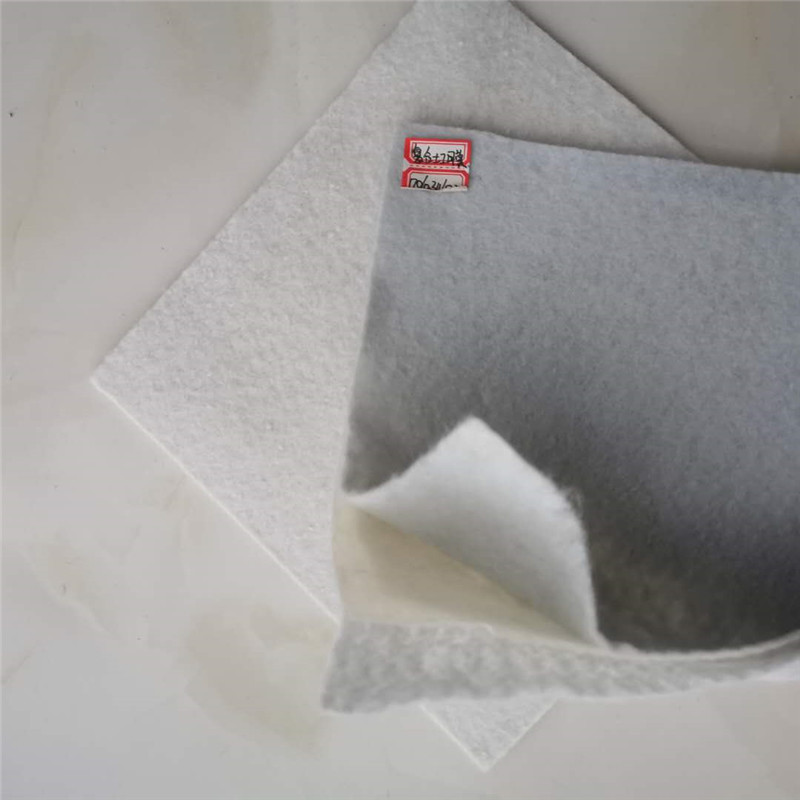

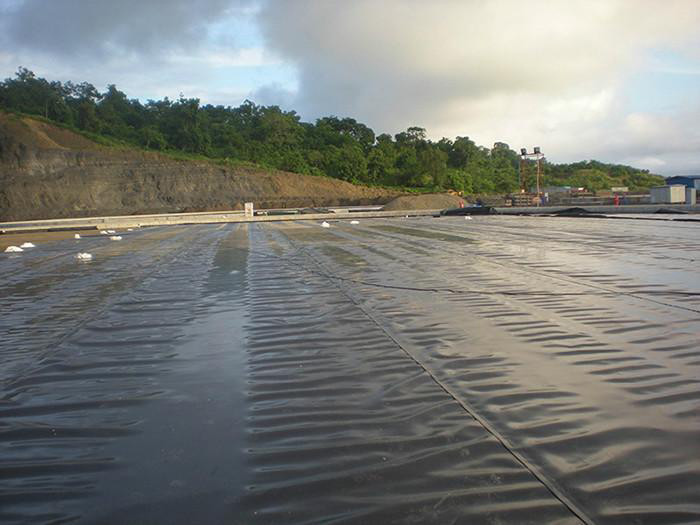
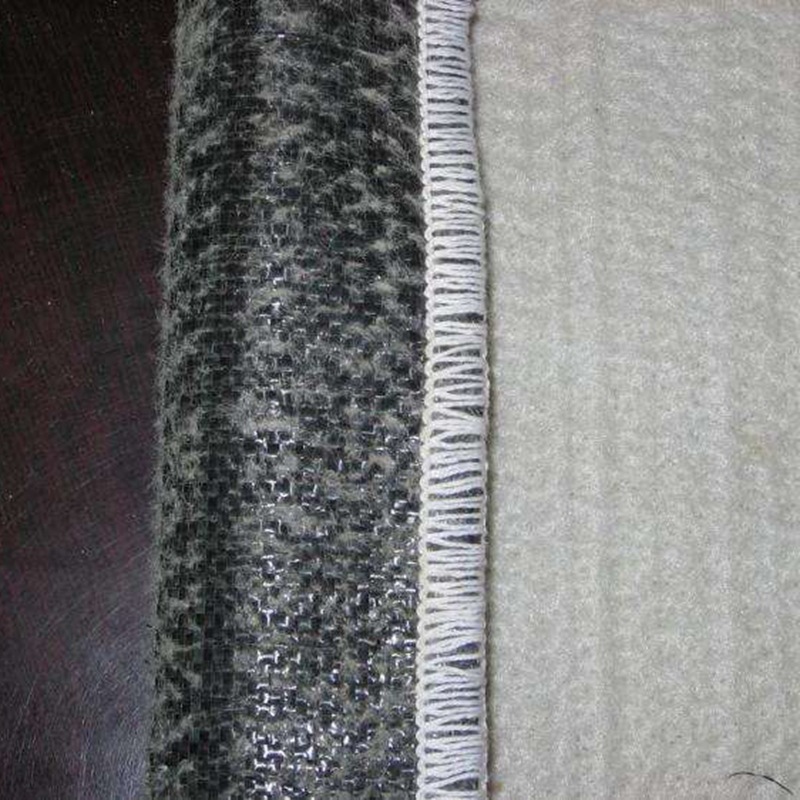

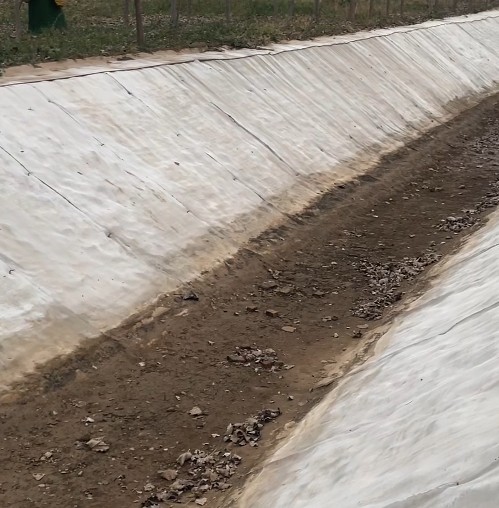
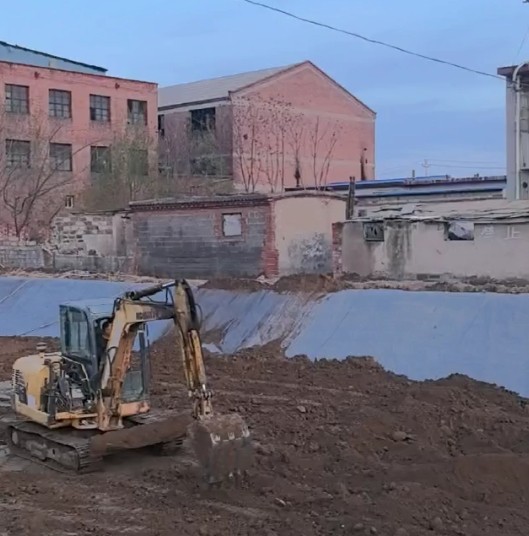
Cement blankets, also known as concrete tarpaulins, are a new type of slope protection material. They use a fiber frame structure to combine concrete mixture (cement and sand), non-woven fabric, and woven fabric, turning concrete into a blanket form. Before watering, they are soft like a blanket and perfectly conform to various terrains and can be cut as needed; after watering and hardening, they become as strong as concrete and are widely used in slope protection projects for fish ponds, river channels, etc.
Advantages of cement blankets:
1. Simple construction: The rolls of cement blankets can be laid out, watered, and left to harden to complete the construction.
2. Cost-saving: Cement blankets are low in price and do not require specialized technicians or heavy machinery, saving significant costs in labor and materials.
3. Short construction period: Due to the simplicity of cement blanket installation, a few people can complete the slope protection of a hundred-square-meter fish pond in one day.
4. Compressive strength and crack resistance: The unique composite structure of cement blankets makes them resistant to compression and cracking, eliminating concerns about future cracking or collapse.
5. Quality assurance: The thickness of cement blankets affects the warranty period, starting from ten years.
6. Easy removal: Cement blankets are integral, providing convenience for future removal after foundation pit support.
7. Convenient transportation: Cement blankets are rolled at the factory, making transportation very easy.
Disadvantages of cement blankets:
1. Cannot withstand long-term vehicle traffic.
2. Cannot be installed at temperatures below minus ten degrees Celsius.