

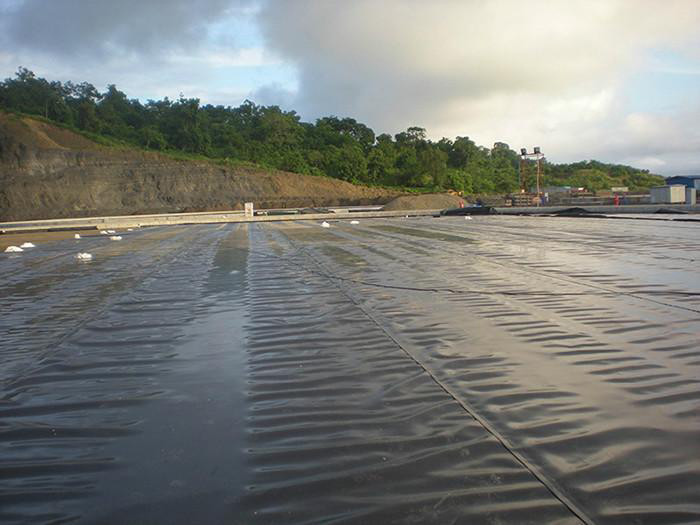

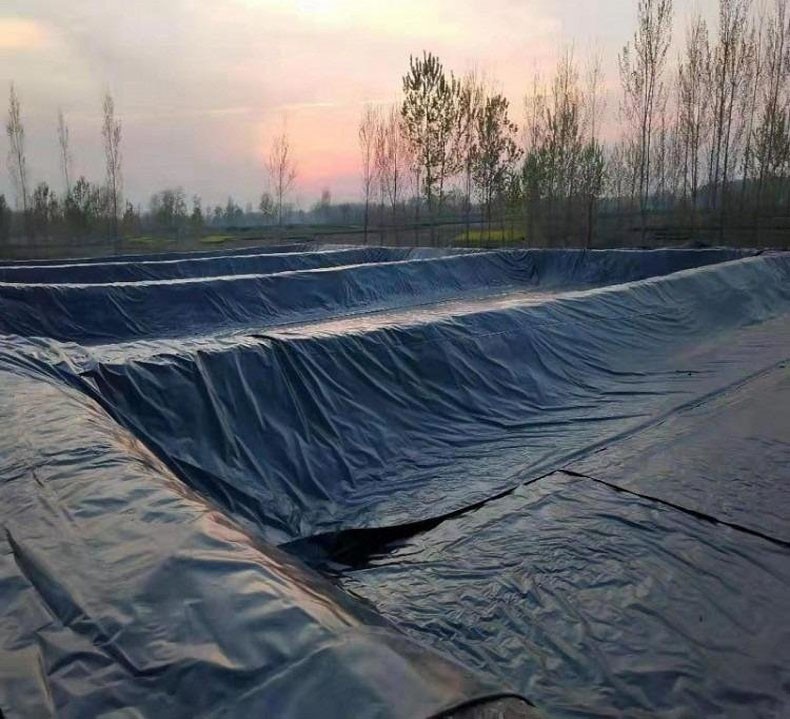
Waterproof sheets, according to the different main raw materials of geomembranes, can be divided into HDPE geomembranes (high-density polyethylene geomembranes), LDPE geomembranes (low-density polyethylene geomembranes), and LLDPE geomembranes (linear low-density polyethylene geomembranes). Geomembranes are primarily used in construction projects for impermeability purposes.
For example, in a waste landfill for impermeability. How should tunnel waterproof sheets be properly overlapped? Are there any techniques? For solid waste landfills, if the sealing is done too quickly, insufficient melting of the welding surface can affect the bonding strength, thereby impacting welding quality. Therefore, during welding, the matching of temperature and speed should be fully considered. Before seam welding, the welding machine should be preheated, and the welding machine’s temperature and welding speed should be set.
When the indicator light changes from green to red, operations can begin. The welding temperature is generally 150–180°C, and the welding speed is 0.15–0.20 meters per minute. Before construction, the operating voltage should be determined through testing, generally 110 volts. The speed is easily controlled within 0.15–0.20 meters per minute. The overlap width is 15 centimeters, and the seam width is 2.5 centimeters, providing impermeability for tailings treatment fields.
Projects such as sewage collection treatment field impermeability, power plant regulation pool impermeability, reservoir impermeability, rainwater collection pool impermeability, oil tank foundation impermeability, chemical reaction pool impermeability, washing and selection pool impermeability, heap leaching pool impermeability, ash heap pool impermeability, dissolution pool impermeability, sedimentation pool impermeability, and breeding pool impermeability, require a 10cm thick protective soil layer over the membrane.