
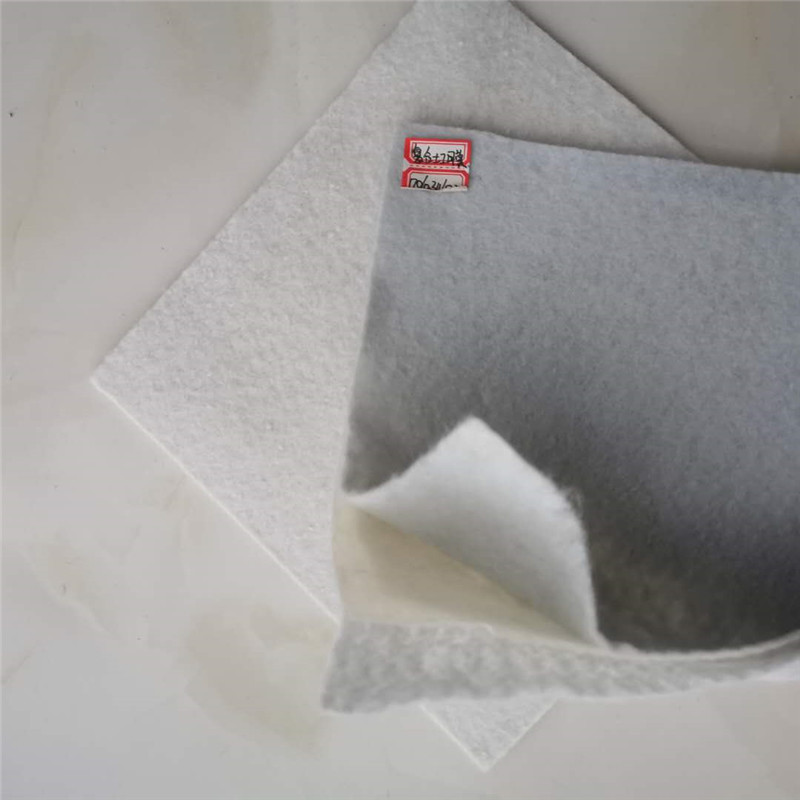

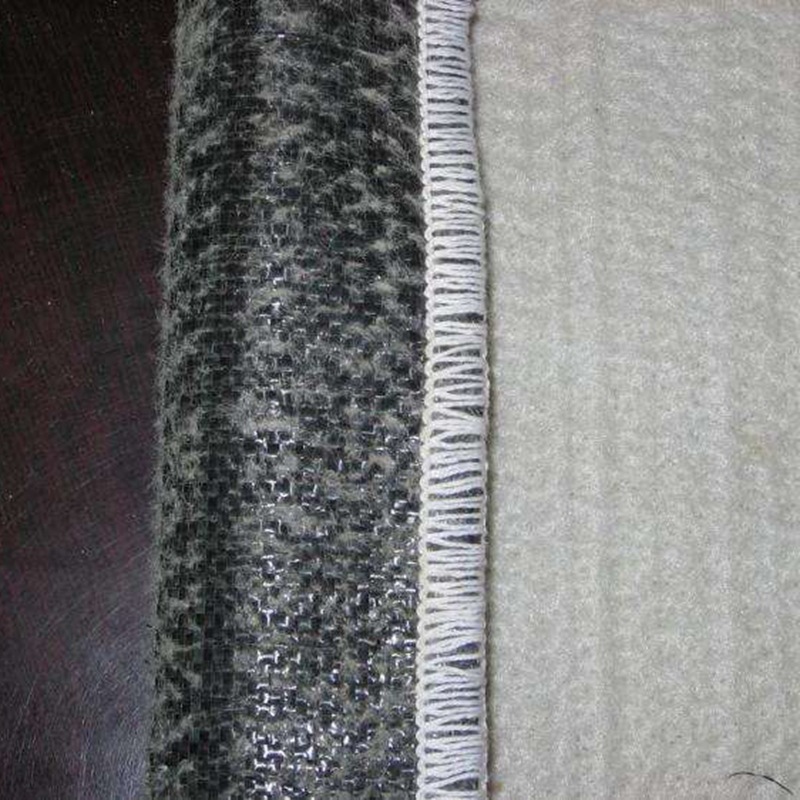

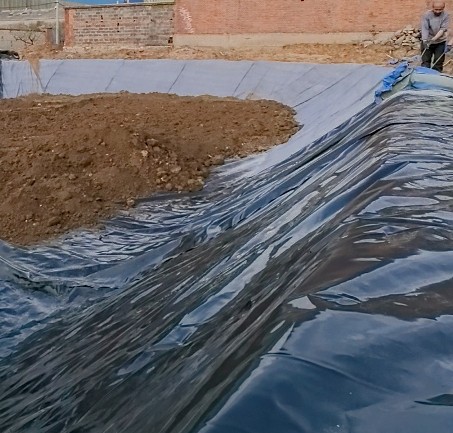
Cement blanket is a new type of building slope protection material composed of textile fibers and cementitious materials such as cement, and its use effect shows unique advantages in many aspects, but there are also certain limitations, the specific analysis is as follows:
1. Construction efficiency and convenience
The use of cement blanket is significantly reflected in the significant improvement of construction efficiency. Traditional concrete construction needs to go through many cumbersome links such as material transportation, on-site mixing, formwork construction, pouring and vibration, etc., while the cement blanket has been prefabricated when it leaves the factory, just like "soft concrete", and only needs to wait 24-48h for 24-48h to cure and form during construction. Taking the slope protection project of the water conservancy channel as an example, the traditional method may take several days or even weeks to complete a section of construction, while the use of cement blankets can be laid and preliminarily cured within a few hours, which can effectively shorten the construction period and reduce labor costs.
2. Mechanical properties and structural stability
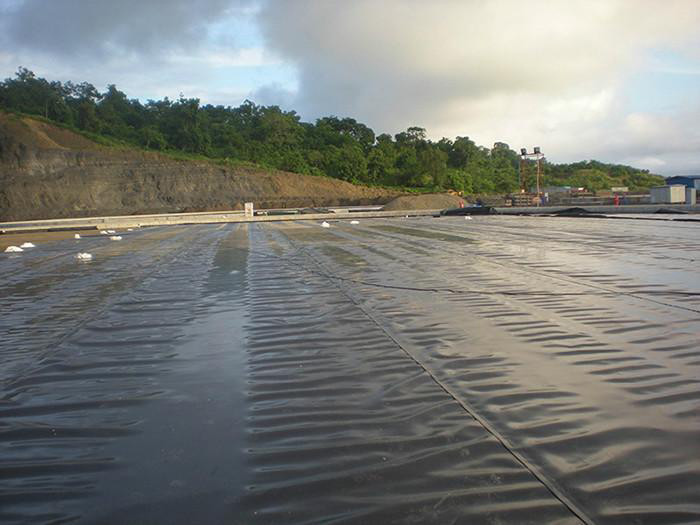
The cured cement blanket has good mechanical properties, and its internal fiber structure forms a synergistic effect with the cement matrix, and its flexural strength and anti-cracking performance are better than ordinary concrete. For example, in slope protection projects, cement blankets can be closely adhered to the base layer to form a continuous protective layer, effectively resisting rainwater erosion and soil slippage, and its impermeability can reach P6 or more after testing, which can effectively prevent soil erosion and seepage damage.
3. Adaptability and environmental friendliness
The flexibility of cement blankets allows them to adapt to different shapes of base surfaces, whether they are curved, beveled or irregular structures, to achieve tight coverage, avoiding the cracking problems caused by the rigidity of traditional concrete. At the same time, its water consumption is only 1/5-1/3 of that of traditional concrete, which has obvious advantages in arid and water-scarce areas, and there is no noise pollution during the construction process, and the material utilization rate is high, reducing the generation of construction waste. In addition, cement blankets can also be added with anti-freeze and corrosion-resistant fast-setting agents, which can be stably used in environments ranging from -30°C to 60°C and adapt to different climatic conditions.
4. Limitations and applicable scenario limitations
Although cement blankets have outstanding advantages, there are also certain restrictions on their use. First of all, its cured thickness is usually 5-20mm, and the bearing capacity is limited, which cannot replace large structural concrete (such as bridges, high-rise building foundations). In addition, cement blankets do not offer free shipping when purchasing due to their weight (1 cm thick weight per square meter is about 12 kg).
5. Comprehensive cost-effectiveness and application suggestions
On the whole, cement blankets are used in scenarios such as tight construction periods, small water conservancy, and slope protection, and can achieve the expected functions at a low comprehensive cost (considering factors such as construction period, labor, and environment). However, in large-scale conventional projects, it is necessary to combine cost budget and performance requirements with comprehensive evaluation. When using, attention should be paid to selecting products of appropriate thickness and model according to engineering requirements, laying in strict accordance with construction specifications (such as ensuring that the base layer is flat, splicing tightly, and watering evenly), and do a good job in later maintenance and protection to give full play to its technical advantages.