

Geotextile Membrane Welding Tutorial
(1) The horizontal seams of the geotextile membrane must be more than 1.5 meters away from slopes and areas with high-pressure conditions;
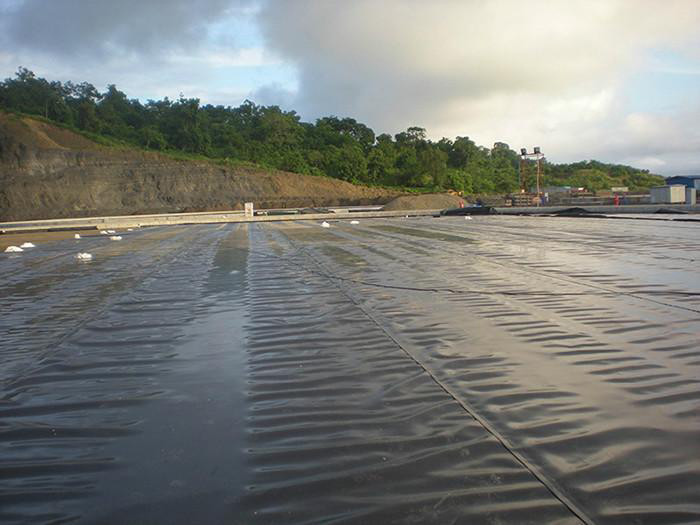
(2) All seams should be welded using a double-track hot-melt welding machine, while local repairs can use other methods. A test weld must be performed beforehand, along with peel and shear tests to measure the tensile strength and shear strength of the weld;
(3) Each weld should be inspected individually. Welds must not have cold welds, missed welds, or excess welding;
(4) Welding equipment procedures: There are mainly two methods for constructing and welding geotextile membranes: double-track hot-melt welding and single-track extrusion welding. Welding of geotextile membranes primarily uses double-track hot-melt welding, with single-track welding used as an auxiliary method. The double-track welding machine process consists of four steps: adjusting the heating, maintaining a constant speed and temperature, checking the overlap, and starting welding. The overlapping edges of adjacent layers of the waterproof membrane are heated by an electric thermal wedge and then compressed by a welding roller; under the pressure of the drive roller, the two layers of the waterproof membrane bond tightly. The double-track welding machine process is divided into four steps: adjusting the heating, maintaining a constant speed and temperature, checking the overlap, and starting the welding. Handheld welding guns (single-track welding machines) follow four steps: checking overlaps, hot bonding, roughening, and welding. Test weld: Welding construction must start each morning and afternoon by first producing a test piece and testing it. Only after the test piece passes the inspection can formal welding be carried out.

Email