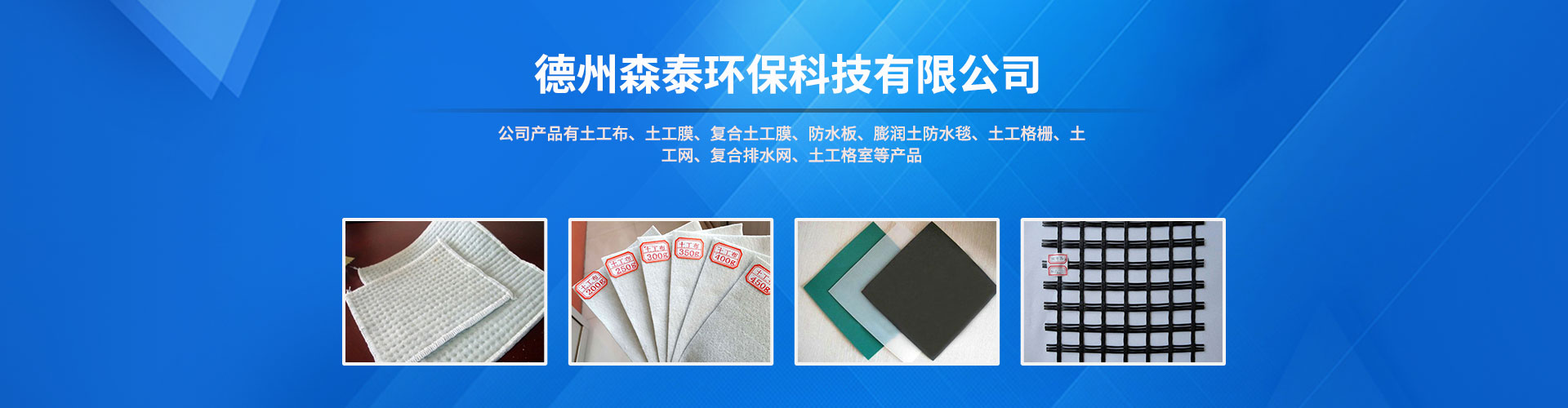
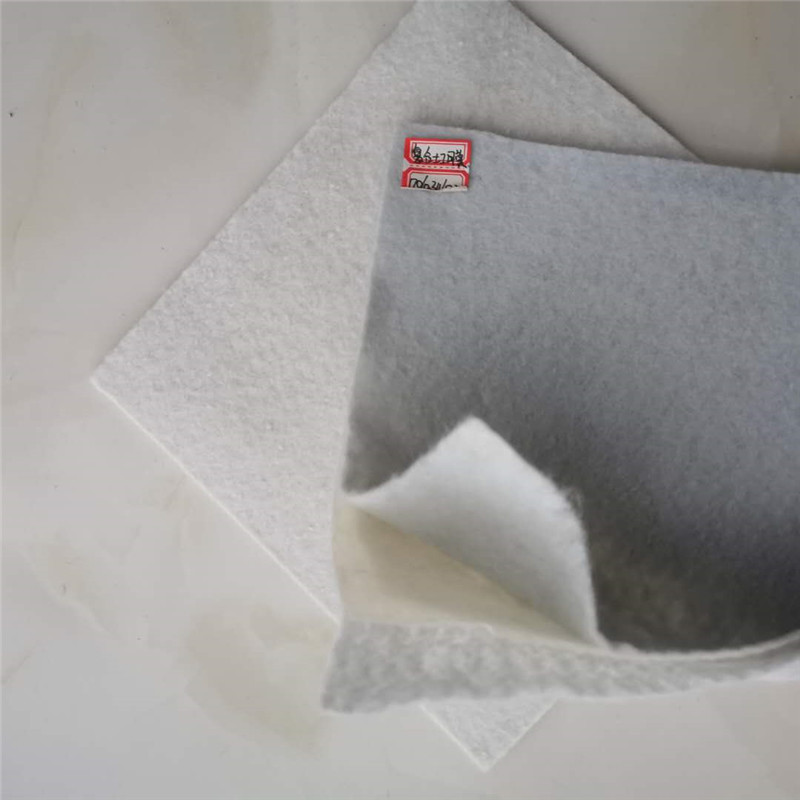

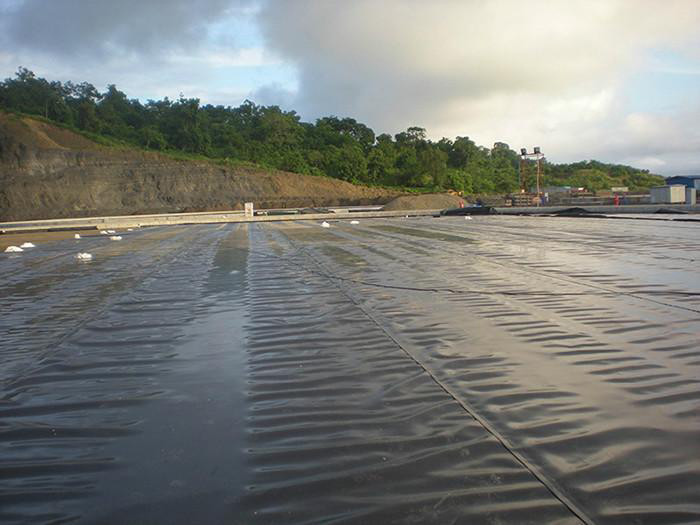
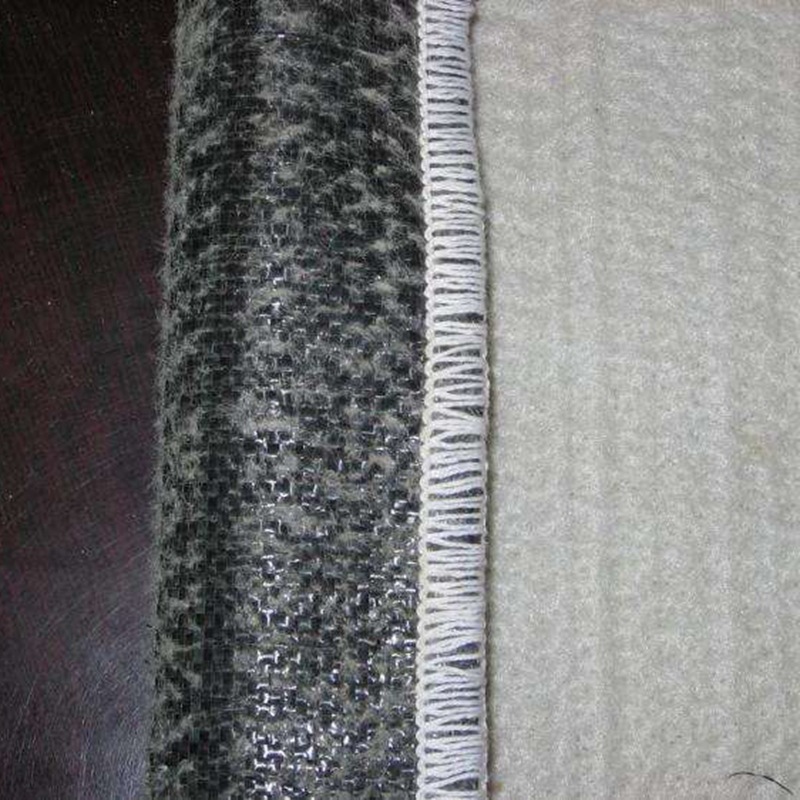

Composite geomembrane, geotextile and other products are widely used in water conservancy and other engineering fields, different projects have different requirements for materials, so it is necessary to choose the appropriate geotechnical materials. In order to allow us to use geotechnical materials normally, these reasonable design methods and usage specifications are very important, there are many design indicators, today let's mainly understand the physical performance indicators.
1. Quality per unit area
The mass per unit area is the mass of 1 square meter of composite geomembrane, which is called the basic mass of composite geomembrane, and the unit is g/m2. It is an important indicator of composite geomembrane. For any series of products, the unit price of composite geomembrane is roughly proportional to the mass per unit area, and its mechanical strength increases with the increase of mass. Therefore, the quality per unit area is a technical and economic indicator that must be considered when selecting products.
2. Thickness
It refers to the distance between the surface and the bottom surface of the composite geomembrane under 2kPa normal pressure, in mm. The thickness of the composite geomembrane varies with the normal pressure acted on, and the pressure of 2kPa indicates the thickness of the composite geomembrane under the condition of no pressure in the natural state.
The compression amount of different types of composite geomembrane varies greatly, among which the compression amount of needle-punched nonwoven composite geomembrane is large. Therefore, when considering the hydraulic characteristics of non-woven composite geomembranes, it is necessary to pay attention to the characteristics of hydraulic characteristics changed by the change of overlying pressure.
3. Porosity
Defined as the ratio of pore volume to total volume contained in nonwoven geotextiles, expressed as a percentage (%). This index is not directly measured, but is calculated by mass, density and thickness per unit area.
The composite geomembrane has a certain amount of deformation, and the stress transfer and dispersion caused by the concave and convex defects of the bottom cushion layer are fast and the strain capacity is strong. The pore pressure floating force on the contact surface between the composite geomembrane and the soil is easy to dissipate. The composite geomembrane has a certain thermal insulation effect, which reduces the damage of soil frost heave to the geomembrane and HDPE geomembrane, thereby reducing the deformation of the soil. The composite geomembrane is buried and laid, which has different anti-aging performance and reduces the maintenance and maintenance of the project.
The composite geomembrane paving facility is simple, reduces the transportation volume, reduces the project cost, and shortens the construction period. Composite geomembrane uses geofabric instead of granular material as the geomembrane protective layer to protect the geomembrane impermeable layer from damage, reduce the particle size requirements of the cushion layer, and can play a role in drainage. The composite geomembrane has a large friction coefficient, which can prevent the slippage of the overlay layer, and has more protective layer than the pure HDPE geomembrane. The mechanical strength of composite geomembrane such as tensile, tearing, breaking, and puncture is high

Email