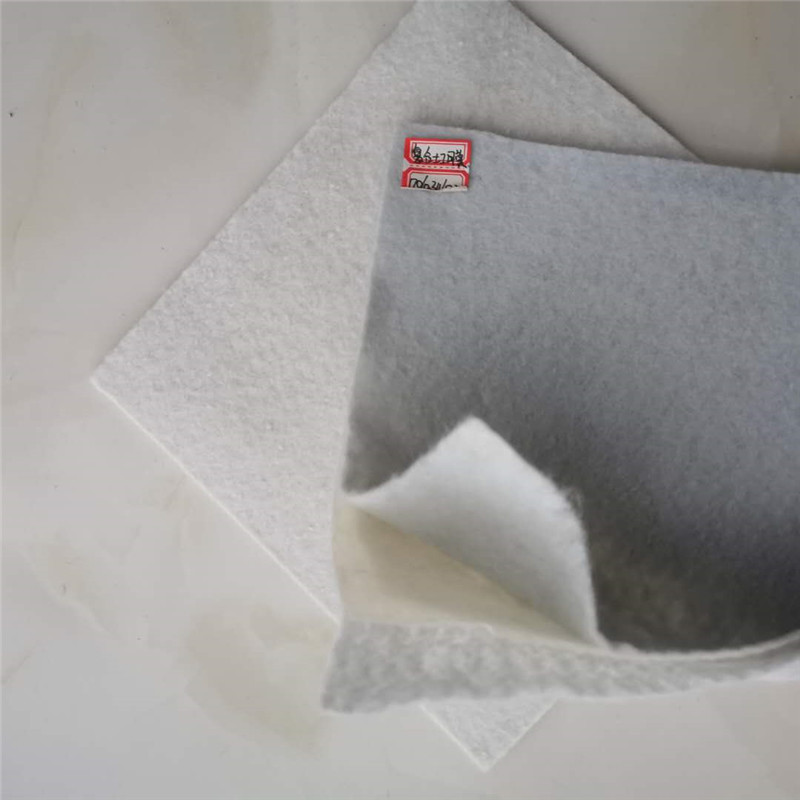

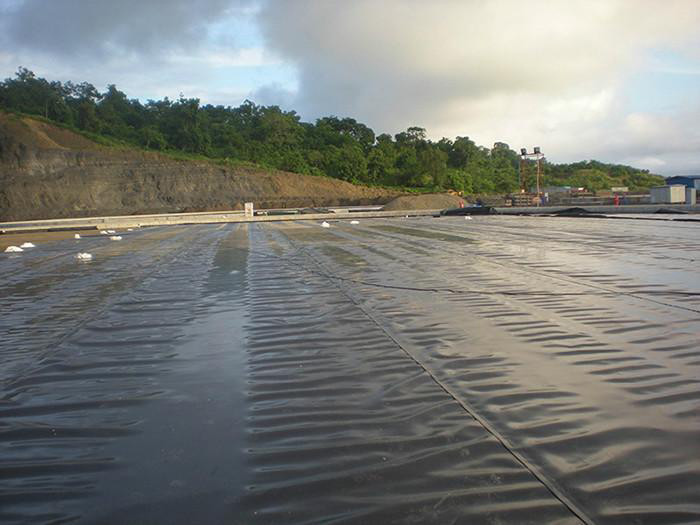
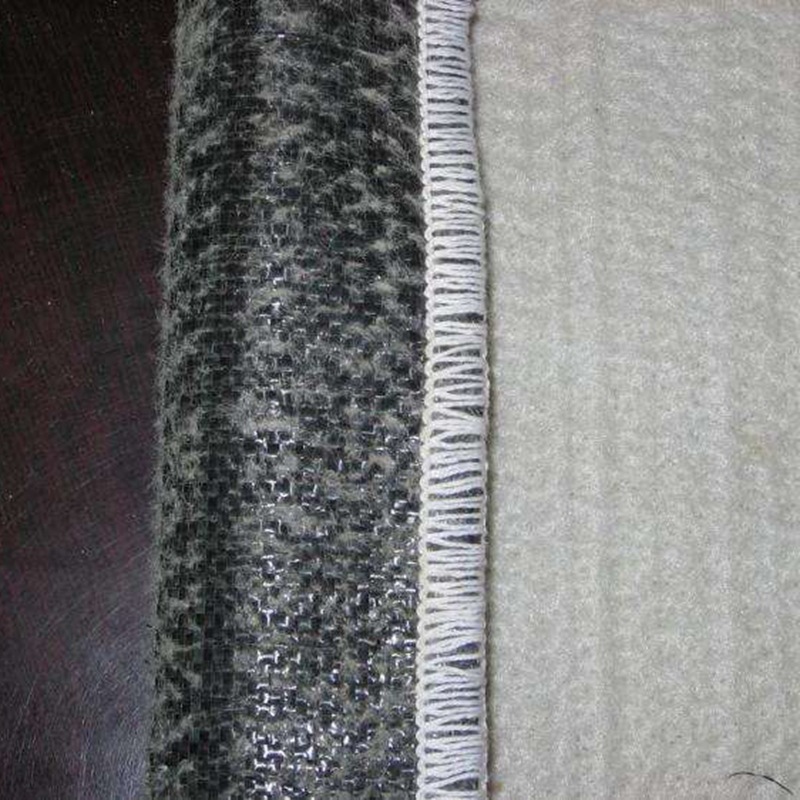

Recommended products HDPE geomembrane, geotextile, composite geomembrane, bentonite waterproof blanket (GCL) and other geomaterials, the following is an explanation of the important anti-seepage construction project of tailings pond - HDPE geomembrane construction plan 。1. Preparation before laying 1. Before the geomembrane is laid, the laying surface should meet the design requirements and meet the quality and safety requirements; 2. The material and quality of geomembrane welding rods should meet the design requirements and relevant standards; 3. Personnel unrelated to the laying are not allowed to enter the construction site; 4. All personnel entering the geomembrane construction site wear access permits, wear shoes that do not damage the geomembrane, and no one is allowed to smoke when entering the site; 5. On geotechnical materials, all tools must be handled gently, not thrown or replaced, and it is strictly forbidden to contact hot tools with geomembrane. 6. After the construction of geomembrane, attention must be paid to the protection of finished products; 7. During the loading, unloading and handling of materials, no equipment that may cause mechanical damage to the materials should be used, pulled, lifted or rolled, and some uncontrolled unfolding methods should not be allowed to be handled gently. 8. On-site treatment: (1) Level the ground on the site to make its surface flat, compact, and there are no unevenness on the ground surface, and there are no large stones, wires and steel wires and other hard things to prevent puncture damage to the anti-seepage membrane; (2) Dig a 40*40 anchor trench around the landfill to prepare for the anchoring of the impermeable membrane on both sides of the landfill. 2. Laying 1. Flatten the impermeable membrane membrane to be laid in the open space and cut it into the required shape according to the predetermined plan; 2. In the process of laying the film, it should be smooth, tight, minimize wrinkles, reasonably choose the laying direction, reduce the stress on the joints as much as possible, reasonably lay out the position of each material, and strive to have fewer joints. 3. Lay the film on the flat ground, bad, reasonably calculate and choose the film laying method in the process of laying the film to avoid artificial damage, the adjacent film welding seam is misaligned according to the "T" shape, in addition, pay attention to reserving the deformation and expansion of the impermeable film when laying the film; 4. All exposed geomembranes must be immediately pressed with sandbags or other heavy objects to prevent the geomembrane from being blown up by the wind or pulling out the surrounding anchor ditches. 3. Welding Climatic conditions for welding and stitching: The climatic conditions required for welding and stitching are: (1) The atmospheric temperature is between 4-40 °C; (2) dry conditions, especially no precipitation or other excessive moisture such as fog or dew; (3) The wind speed is not greater than 4 levels per hour. 1. Hot melt welding (1) The geomembrane block must overlap by 15cm before welding, and the membrane block must be adjusted to minimize the possibility of wrinkling and becoming a "fish mouth"; (2) Before welding and stitching, the stitching area must be cleaned before stitching to clean it without water, dust, debris or any debris. 2. Extrusion welding (1) The welding seam of the geomembrane block should overlap by 7.5cm, and the stitching area must be cleaned before stitching to ensure that the area is clean and free of water, dust, garbage or any debris; (2) The hot gas device can only be used for heating and bonding of the geomembrane module, be careful not to damage the geomembrane, and the grinding should not damage the geomembrane;

Email