

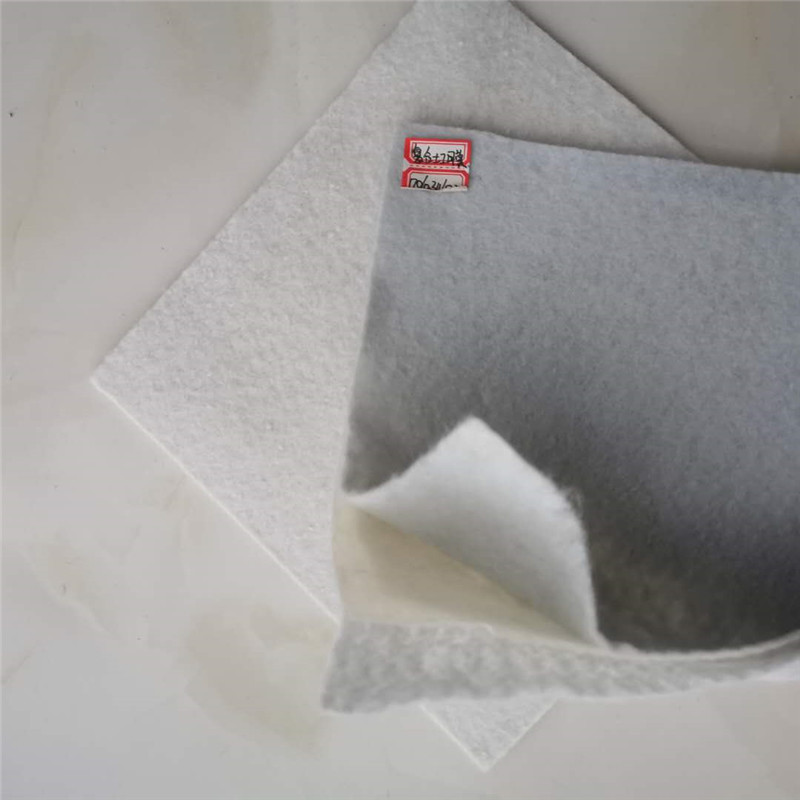

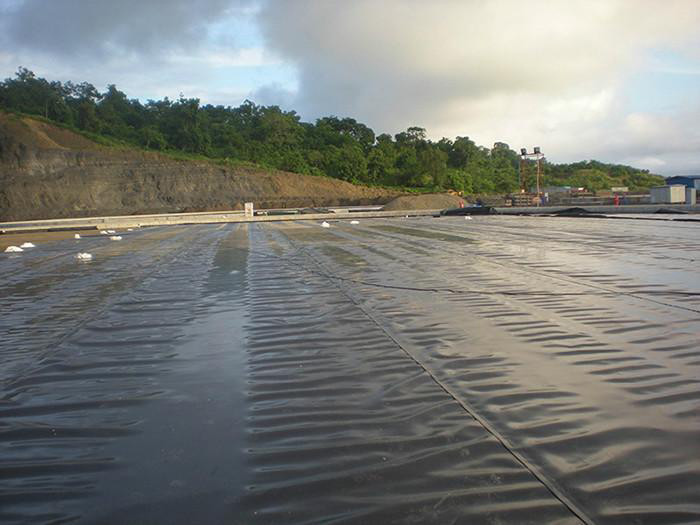
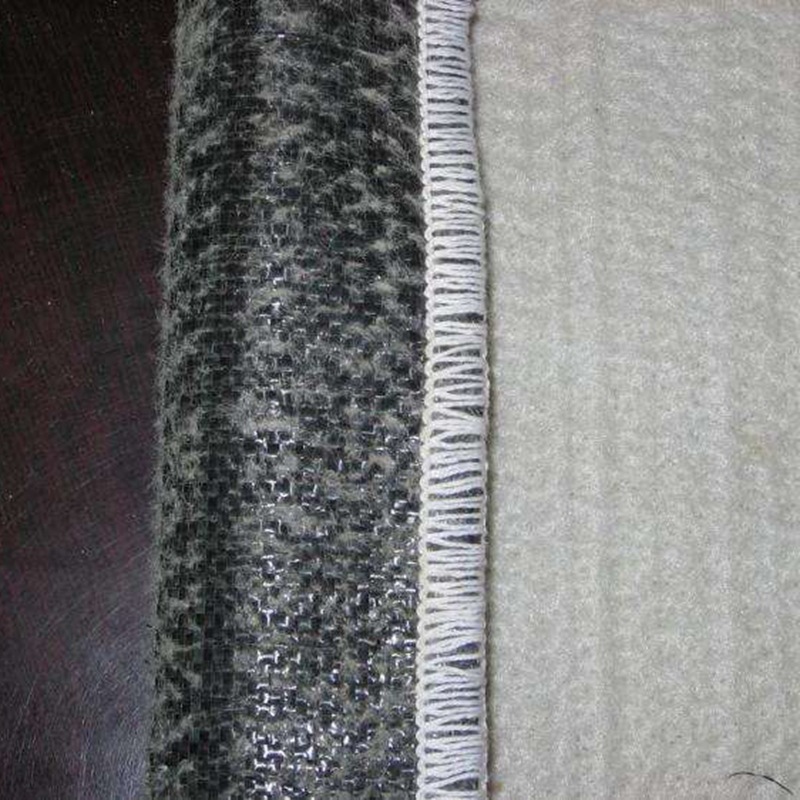

Composite geomembranes use plastic film as the seepage-proof base material, combined with non-woven fabric to form a geomembrane seepage-proof material. They have good impermeability, so what role do they play in aquaculture?
A construction plan needs to be formulated, and experienced welding technicians should be sent to the site for guidance and welding work. The construction party should provide the necessary labor, supporting equipment, and auxiliary tools for laying the composite membrane, and cooperate with the welding personnel from the material manufacturer during installation. Both parties should work together to complete the project while strictly controlling welding quality to achieve satisfactory construction results.
1. The elongation of composite geomembranes is greatly affected by temperature changes, with elongation values decreasing as the ambient temperature drops.
2. Temperature differences affect the elongation of the composite membrane. When the elongation stabilizes at room temperature, the elongation increases during heating and decreases during cooling.
3. Based on the rules of low-temperature elongation and temperature difference changes, the concept of the effect of temperature differences on tensile strength was proposed, and a calculation method for tensile strength affected by low-temperature elongation was obtained. In recent years, aquaculture has increased year by year, and the basic equipment for aquaculture has also varied. The construction of the impermeable layer is closely related to the core interests of the entire aquaculture industry. Choosing a good composite geomembrane as the impermeable layer is key. Impermeable materials with high tensile strength and elongation can not only stabilize aquaculture quality but also prevent the loss of water and nutrients in aquaculture, safeguarding the core interests of the breeding industry.
Since composite geomembranes have good impermeable properties and durability, they are suitable for constructing impermeable layers in aquaculture.