


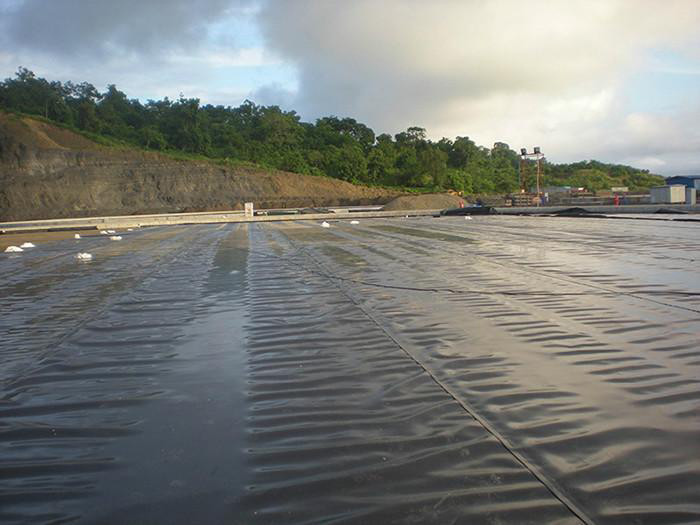

Geotextile is a water-permeable material made from polymers as raw materials, produced through non-woven, woven, and knitted processes, among others. It is applied in infrastructure fields such as highways, railways, water conservancy projects, tailings ponds, and airports, performing functions like filtration, drainage, protection, separation, and reinforcement in engineering applications. But when it comes to the basic material commonly used in geotechnical engineering – geotextile – what types and forms does it have? Here’s a brief introduction:
Geotextiles are classified according to their manufacturing methods into woven geotextiles (spun), non-woven geotextiles (spunbond), and composite geotextiles. Specifically:
1. Woven geotextiles (spun) are geotextile fabrics woven in a specific direction from synthetic fiber filaments (such as polypropylene, polyester, nylon, vinylon, polyethylene, etc.) or plastic flat yarns and plastic split-film yarns;
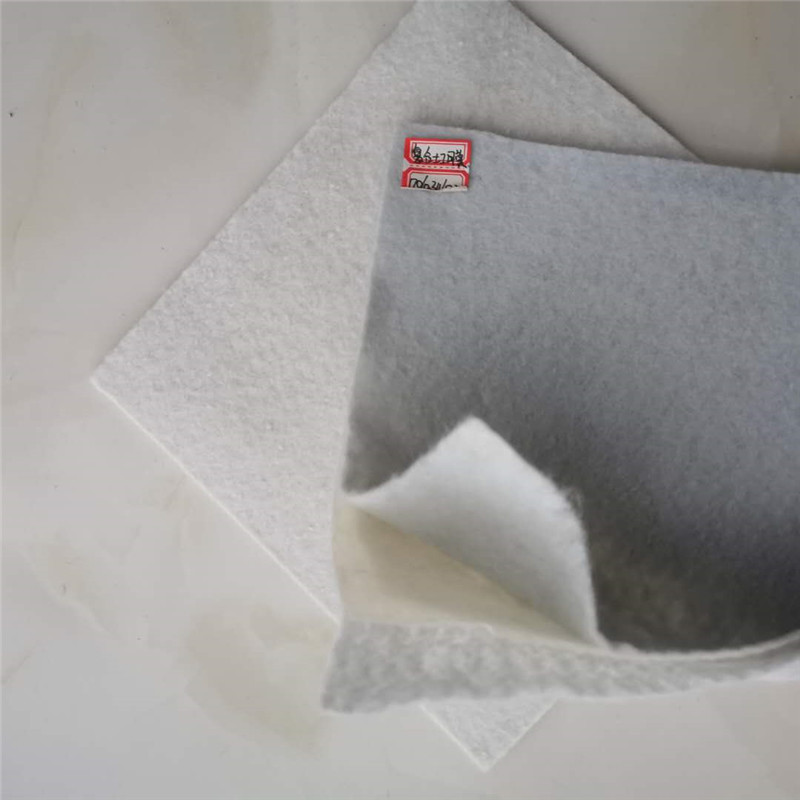
2. Non-woven geotextiles (spunbond) are fabrics made from short fibers or filaments arranged randomly or in a specific direction, formed into thin mats, and bonded mechanically, thermally, or by needle punching;
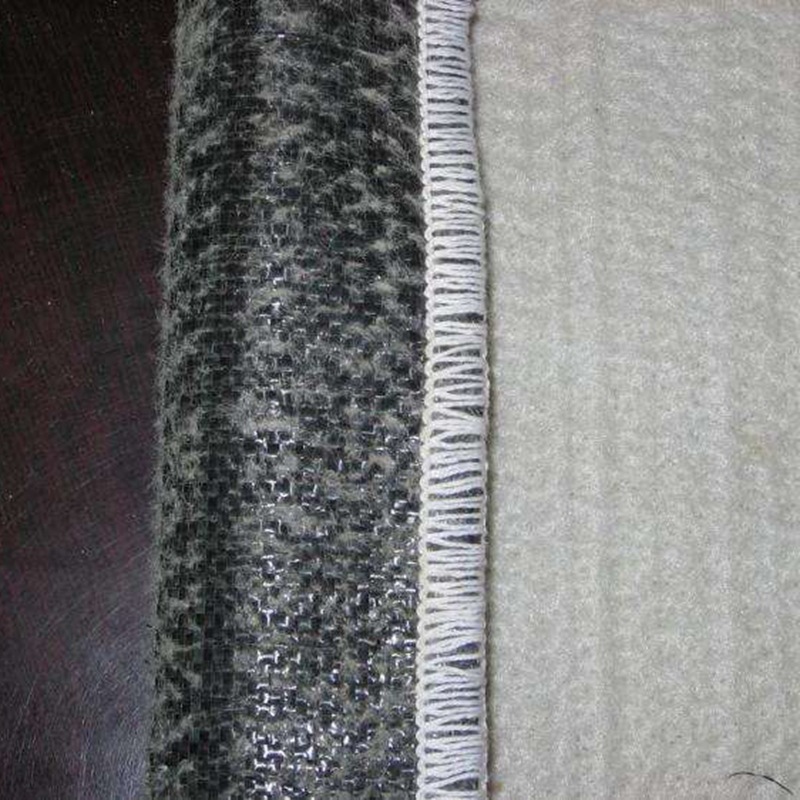
3. Composite geotextiles are geotextile fabrics formed by needle-punching a woven geotextile made from polymer filaments or split-film filaments with a non-woven needle-punched geotextile made of short fibers. They provide protective and reinforcing functions and are mainly used for soft soil foundation reinforcement, embankment base reinforcement, and other engineering projects. According to product structure, they are divided into two-layer composites and three-layer composites.